
CURRENT EXHIBITION
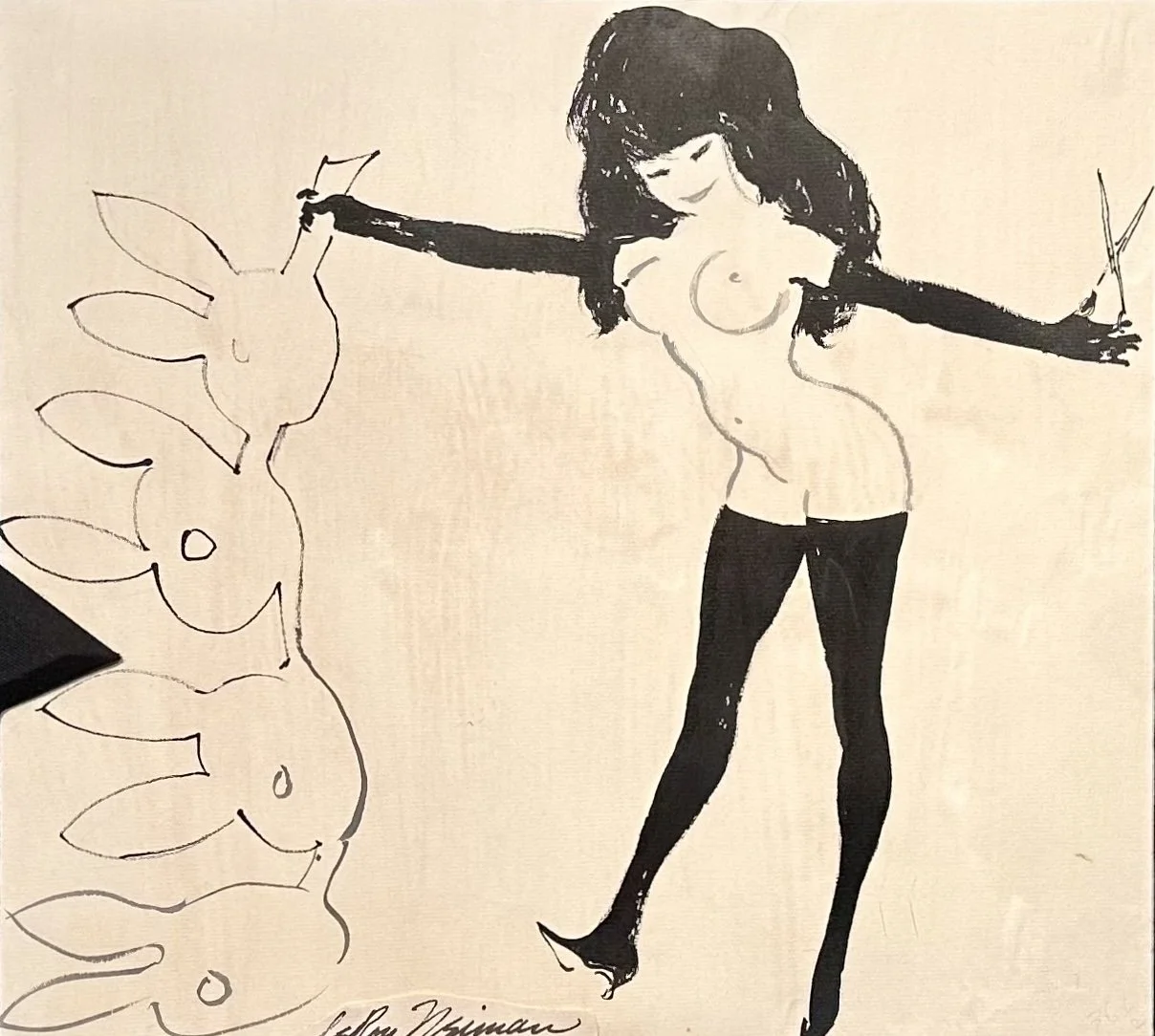
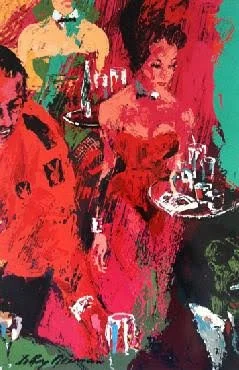
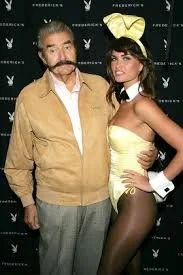
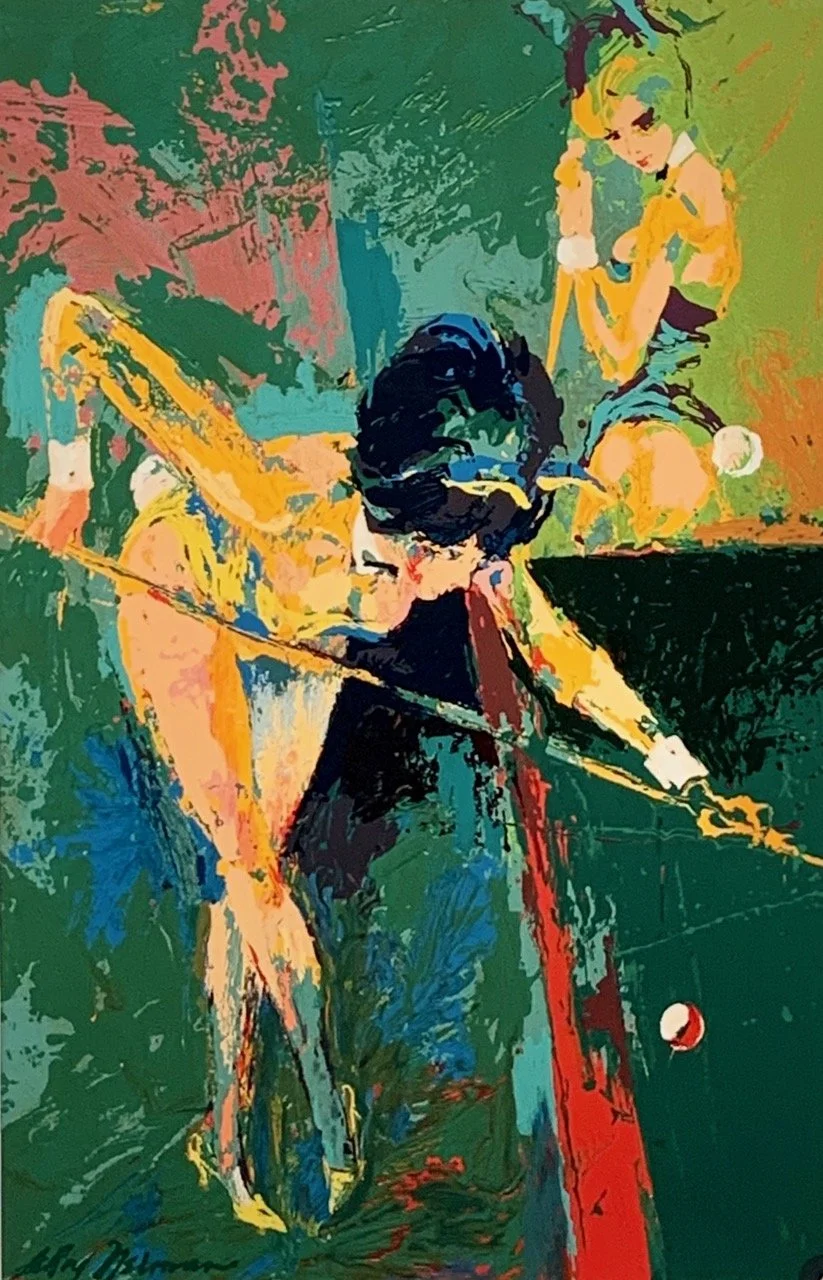
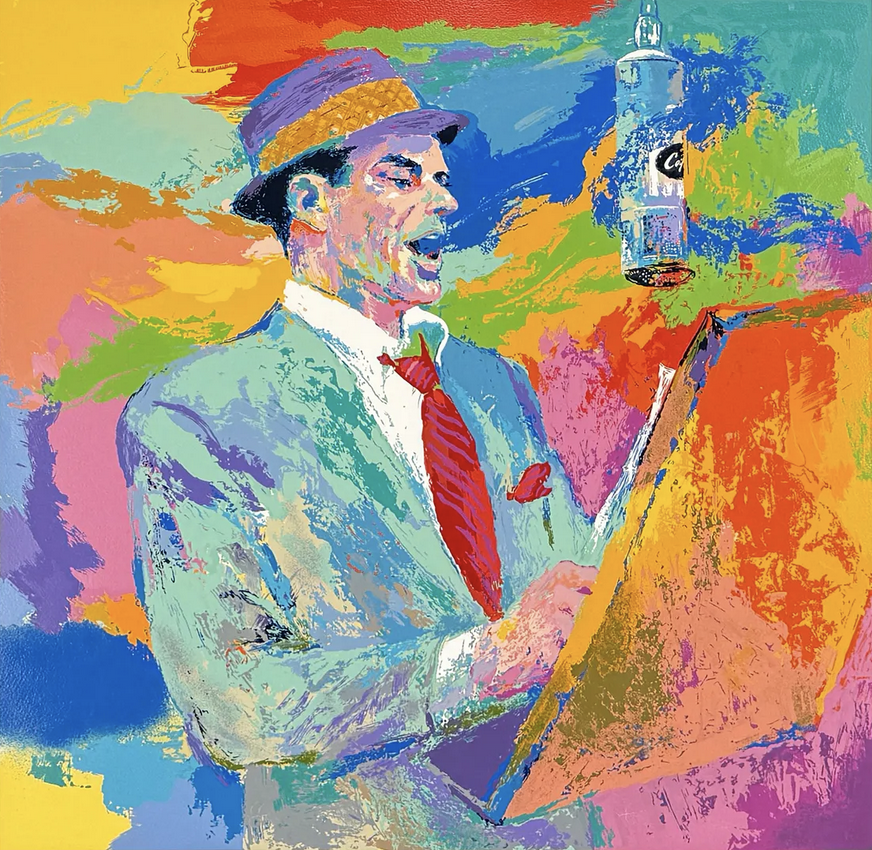

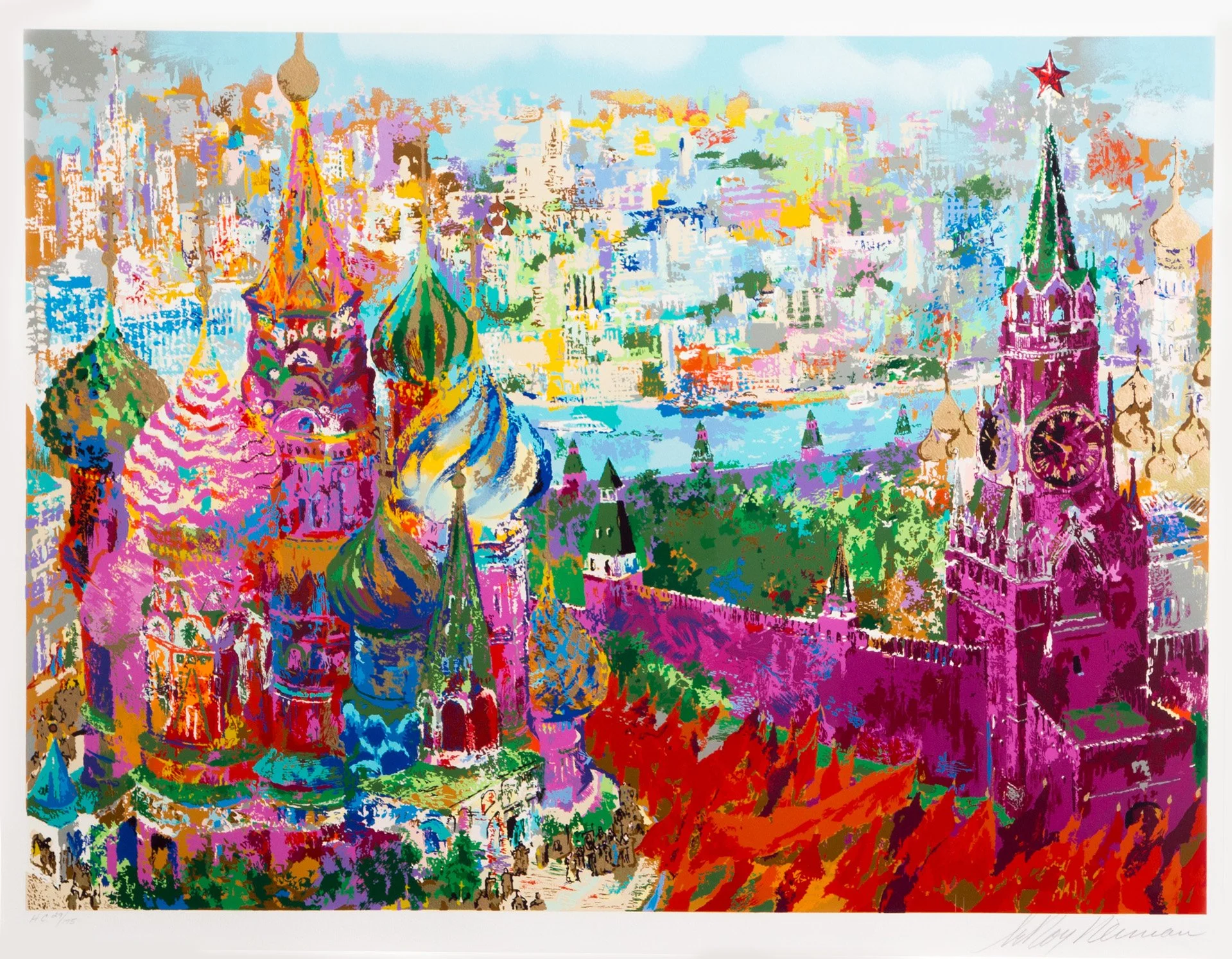


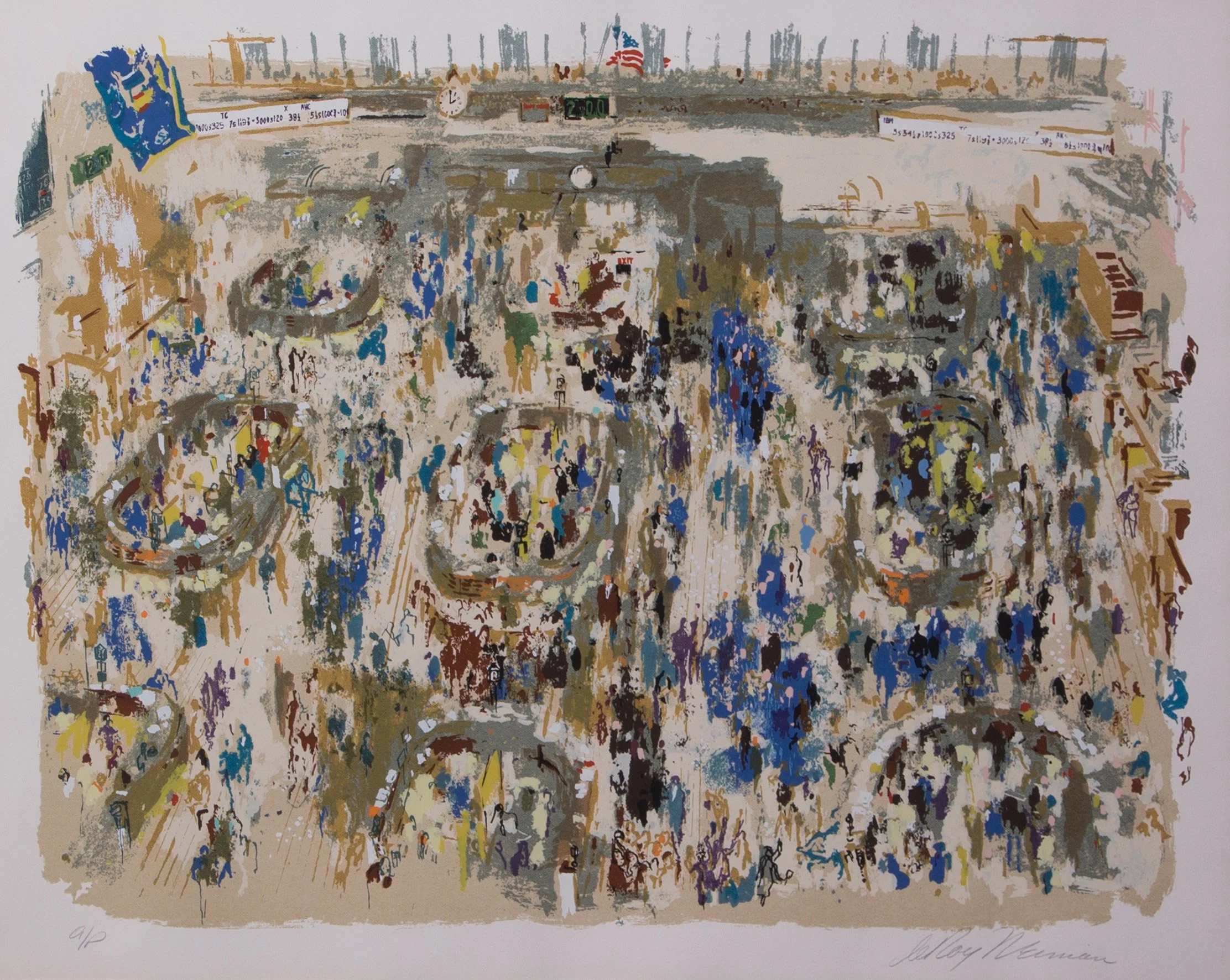
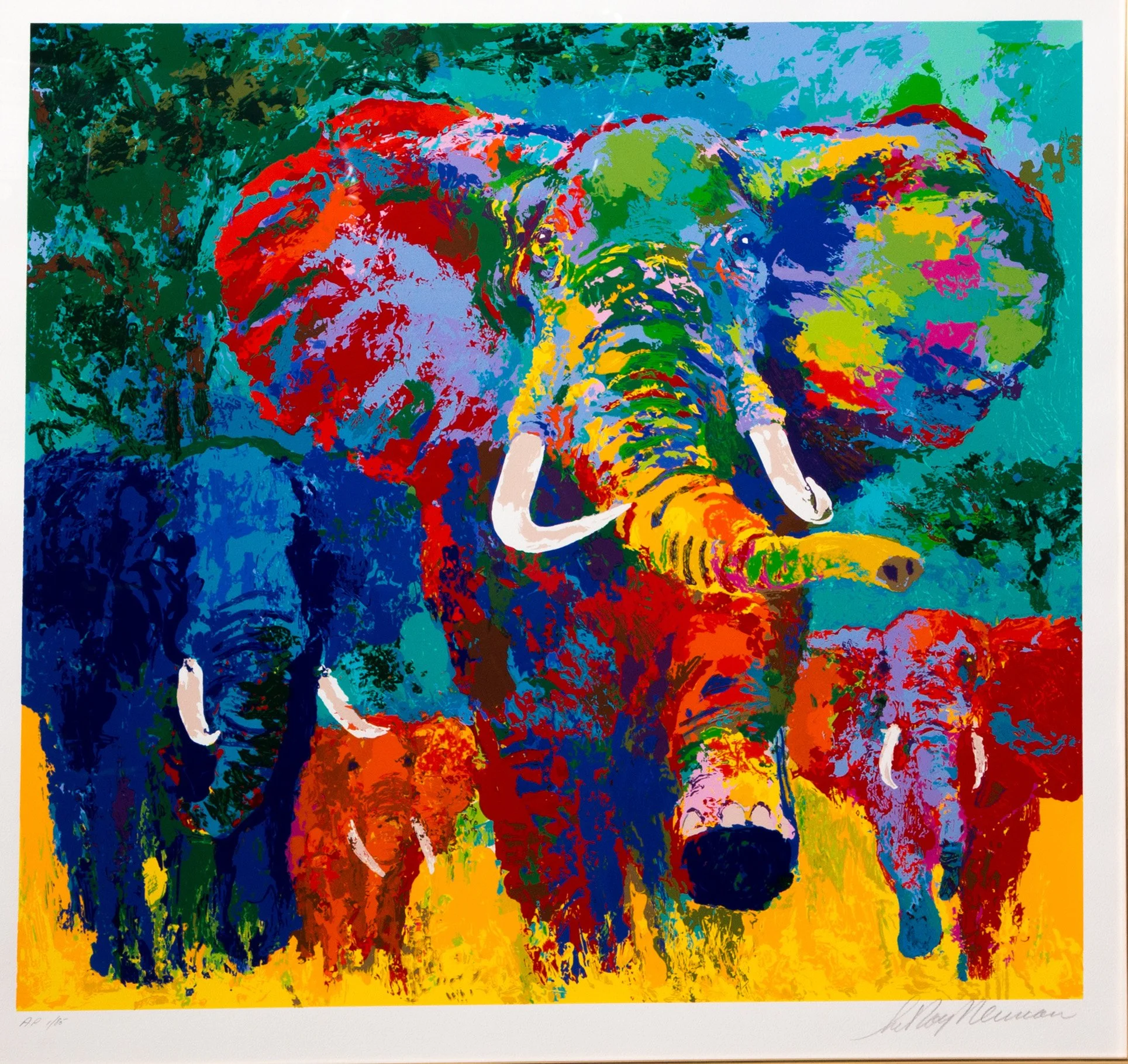
Leroy neiman: femlin
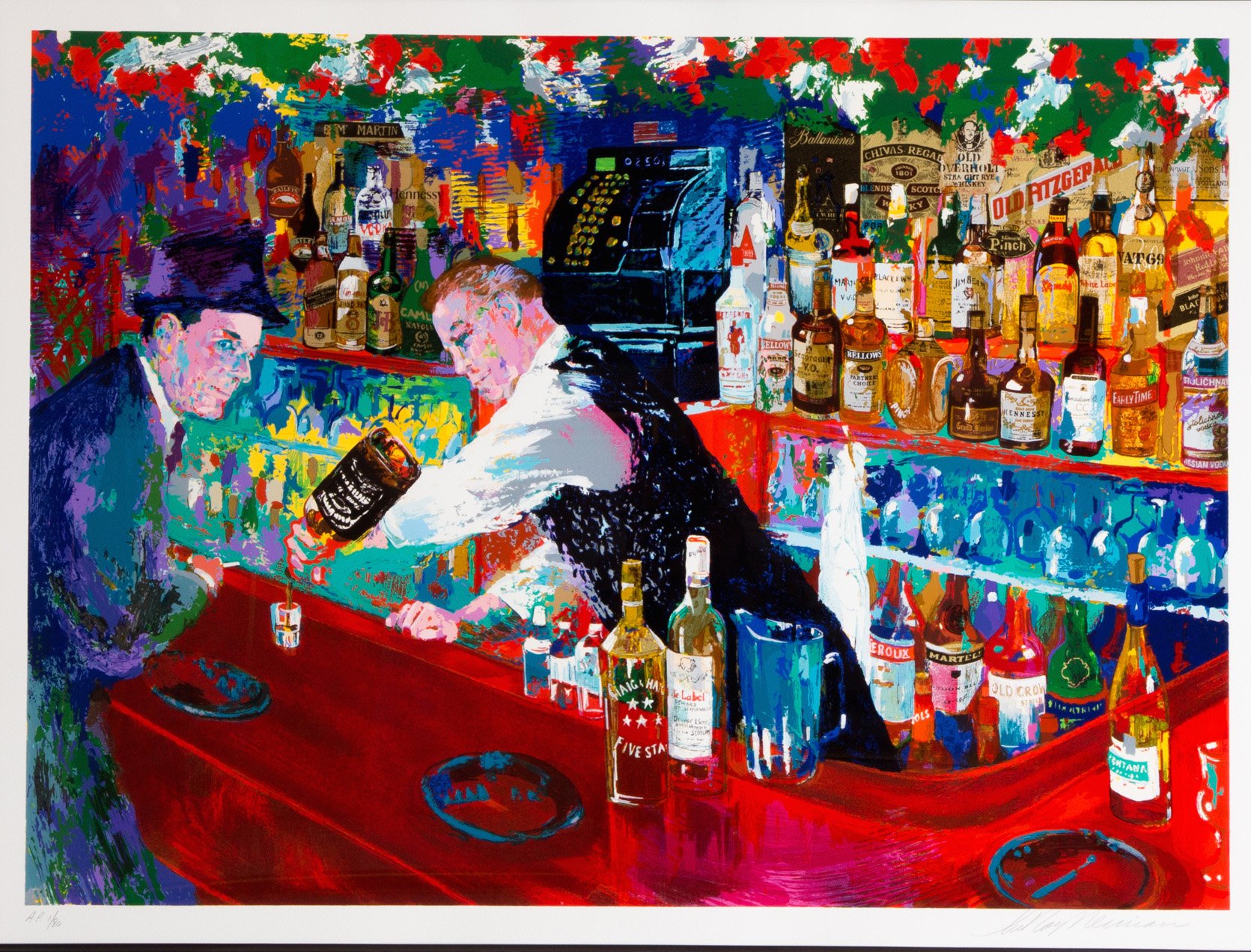
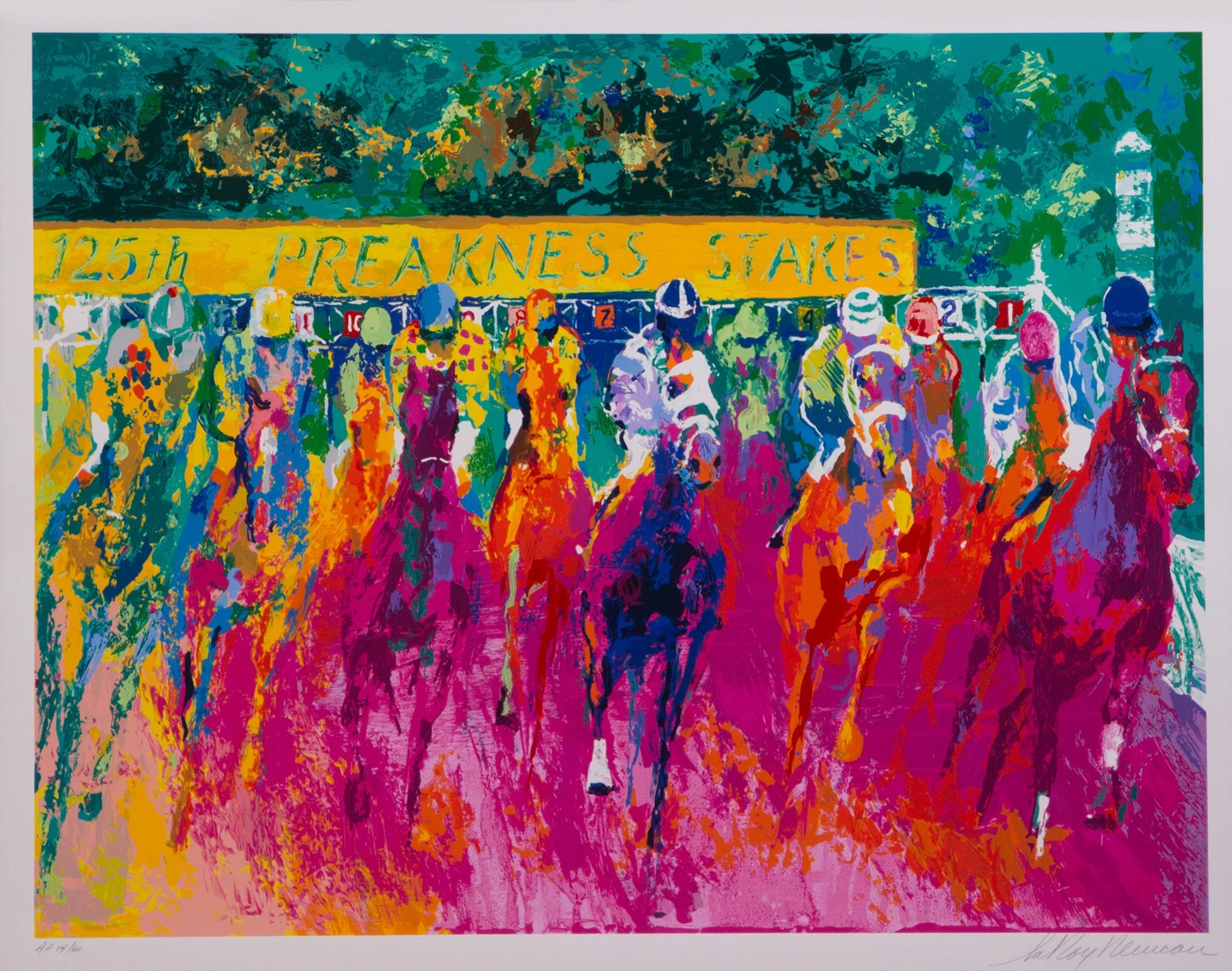
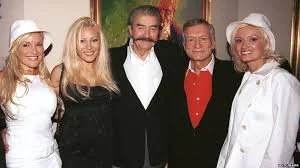
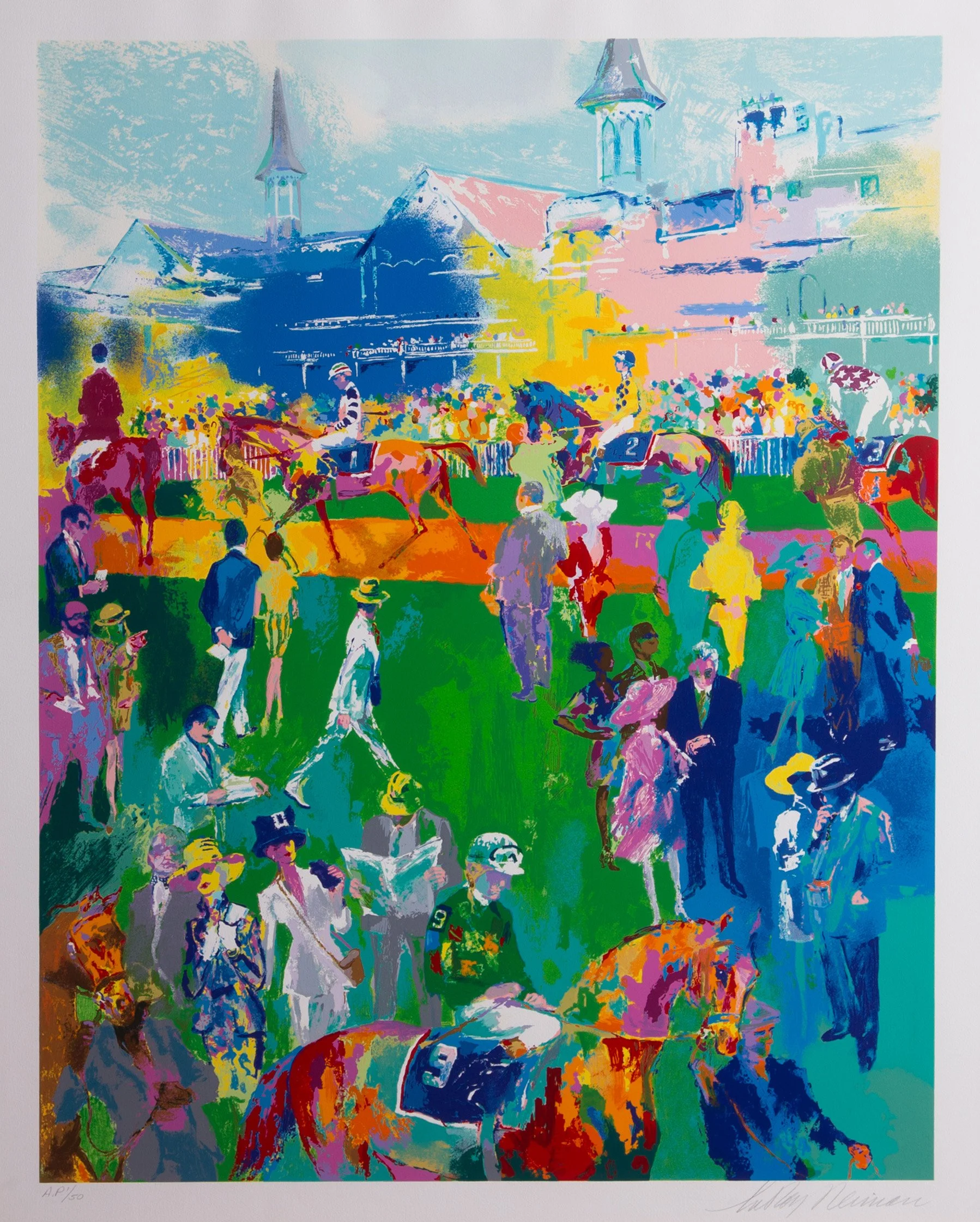
LeRoy Neiman: Femlin. This project is a celebration of artistic courage, collaboration, and the restless spirit of creative exploration. Together, the exhibition and book honor the cultural and historical impact of the collaboration between post-war master LeRoy Neiman and visionary publisher Hugh Hefner a partnership that helped redefine American art, publishing, and freedom of expression.
The exhibit will feature over 100 original works and more than 300 pieces by LeRoy Neiman, many rarely seen together, each telling part of a remarkable story.
LeRoy Neiman: Femlin will offer rare works, unforgettable moments, and insight into a collaboration that helped define an era—and continues to resonate and appreciate today. It is also a rare opportunity to place an authentic piece of American cultural history into your own collection.
past exhibitions
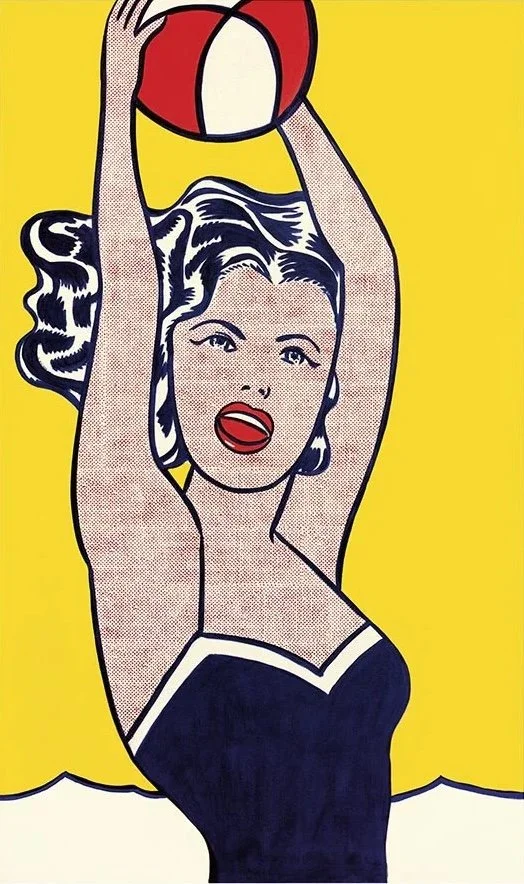
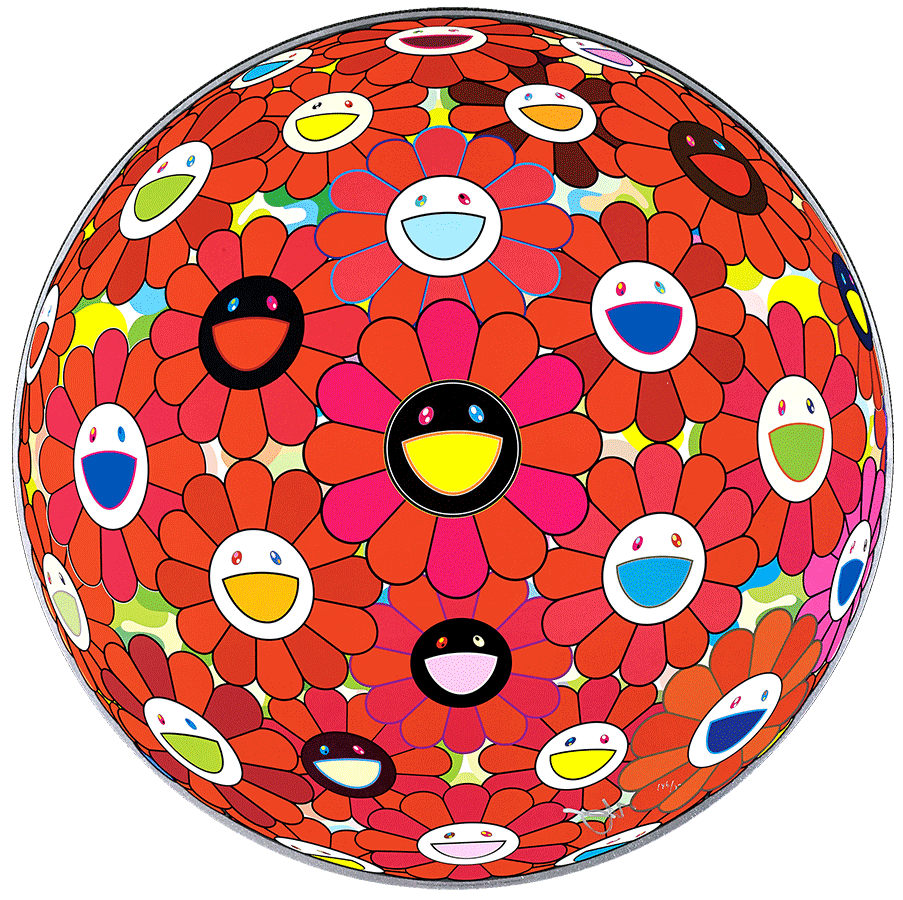
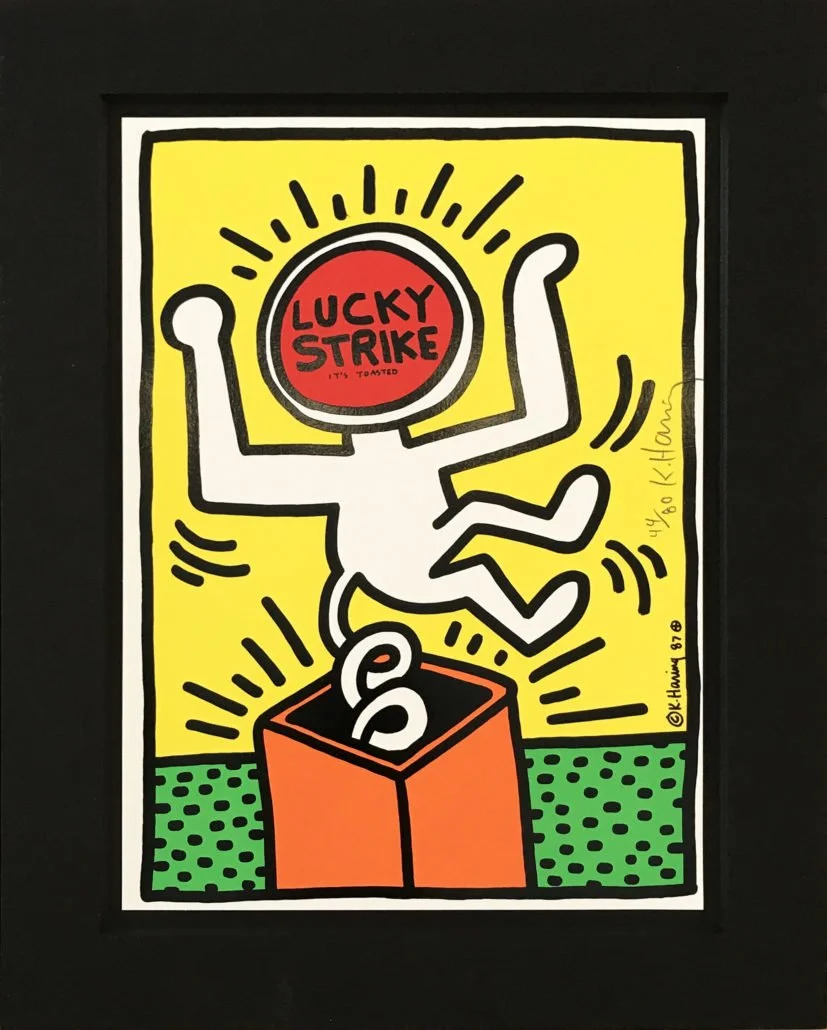
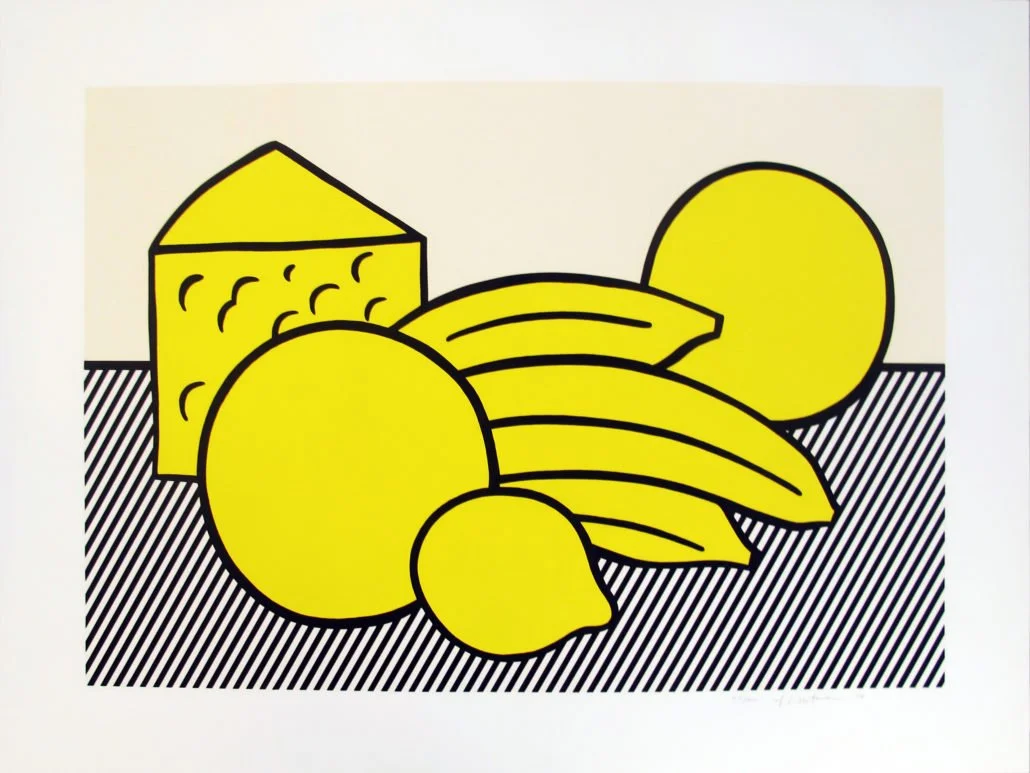
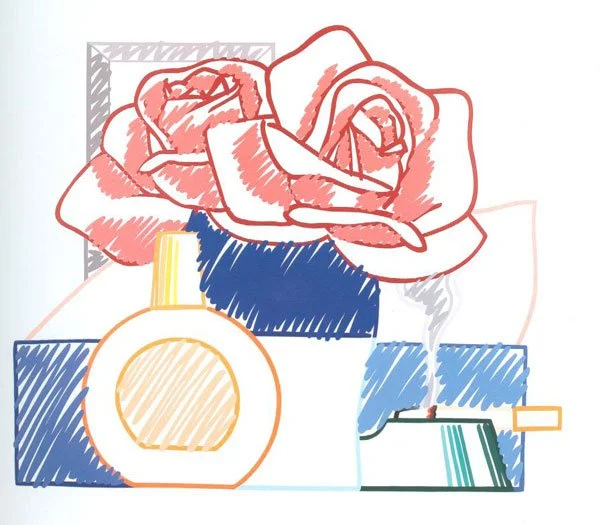
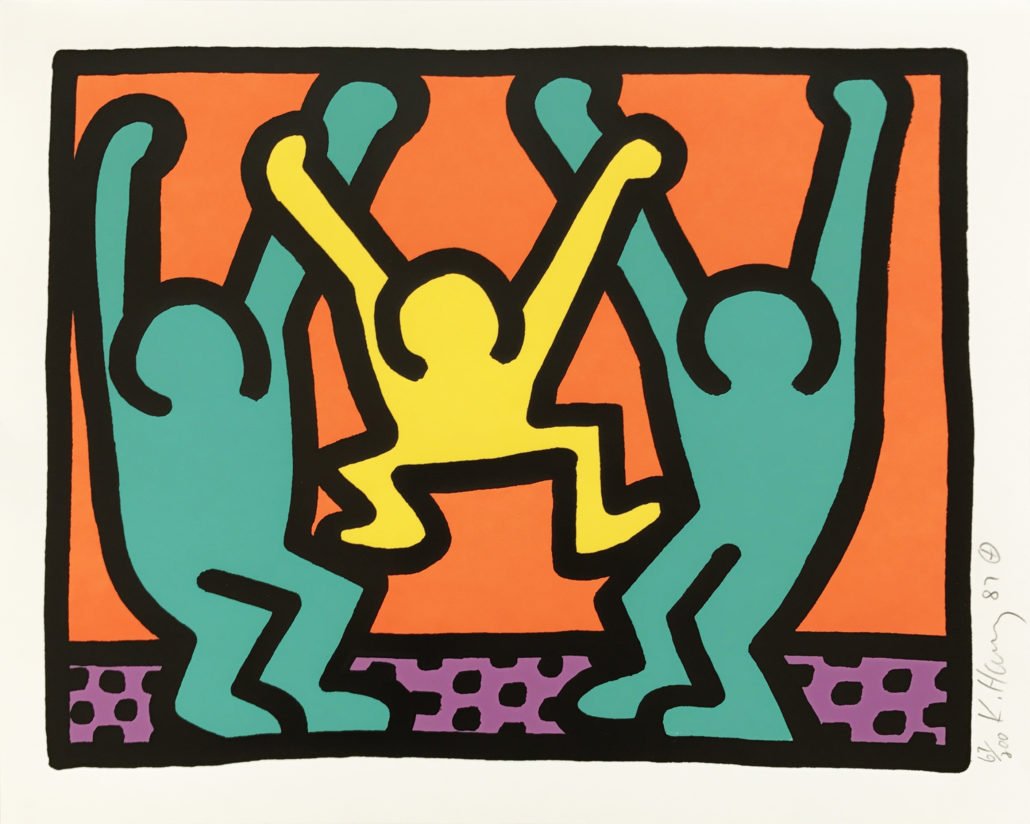
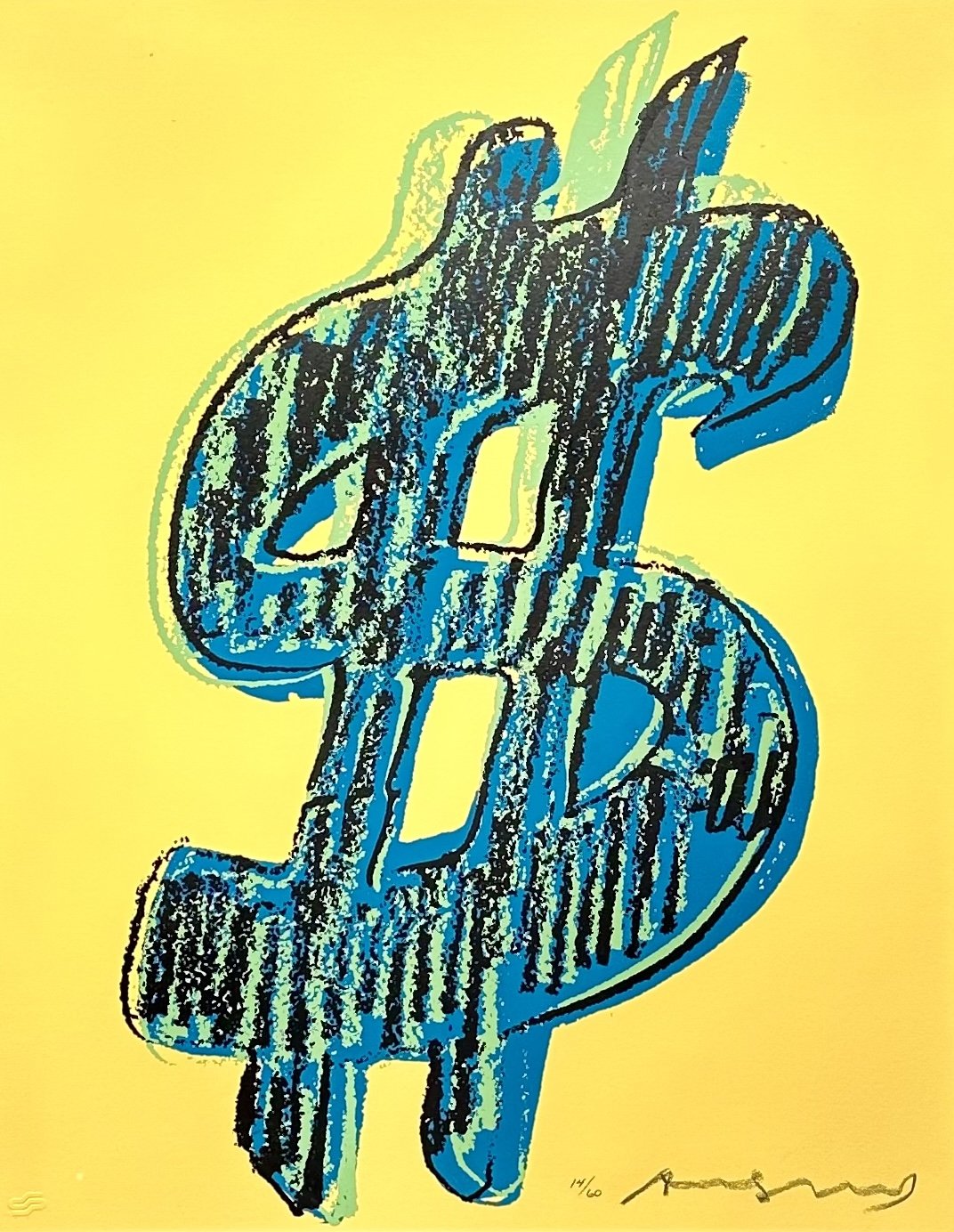
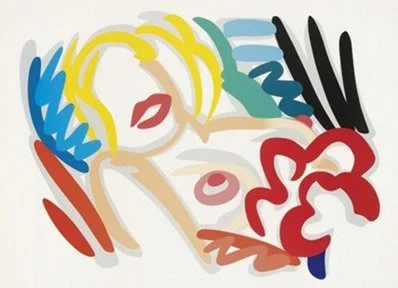
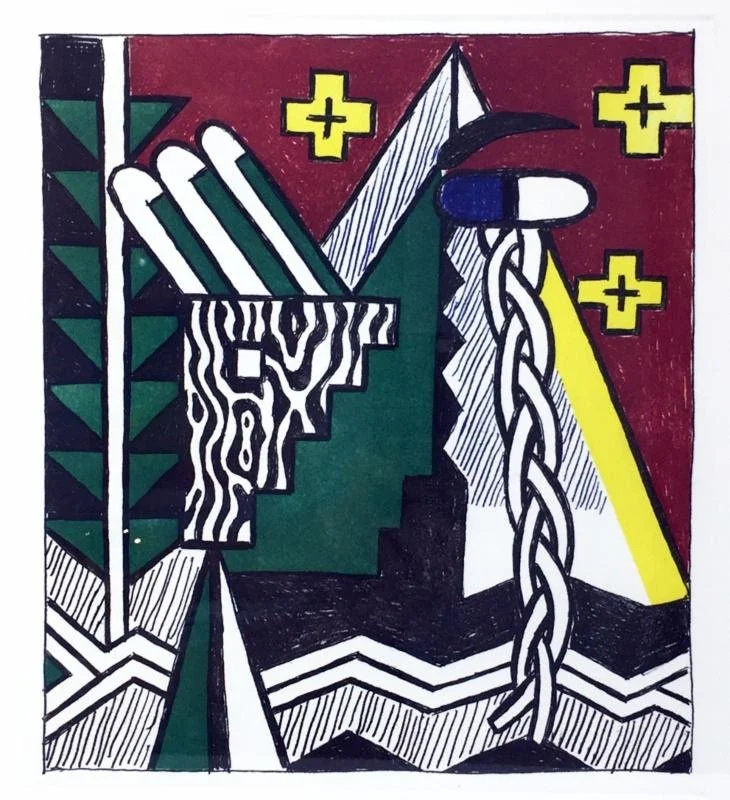
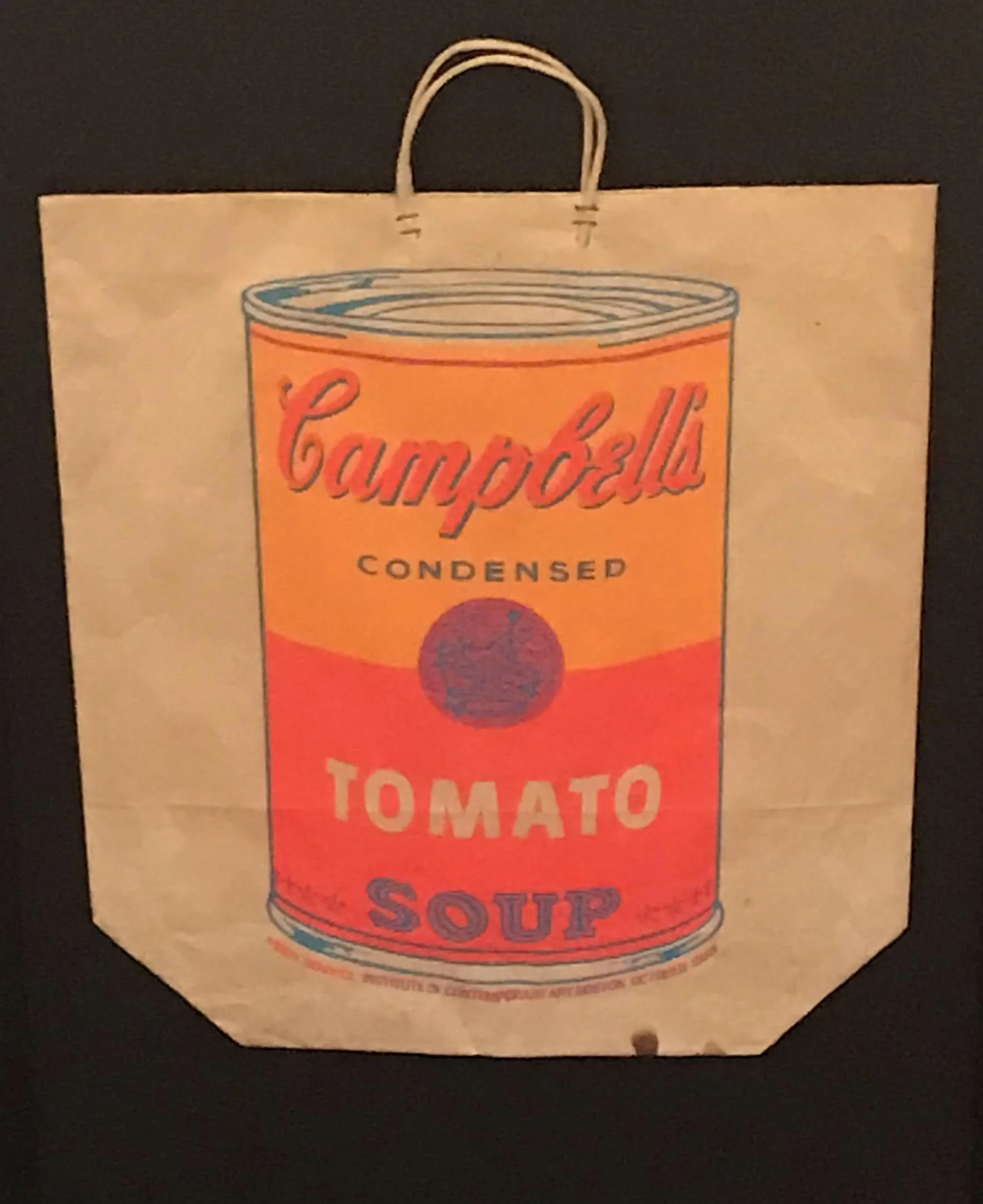


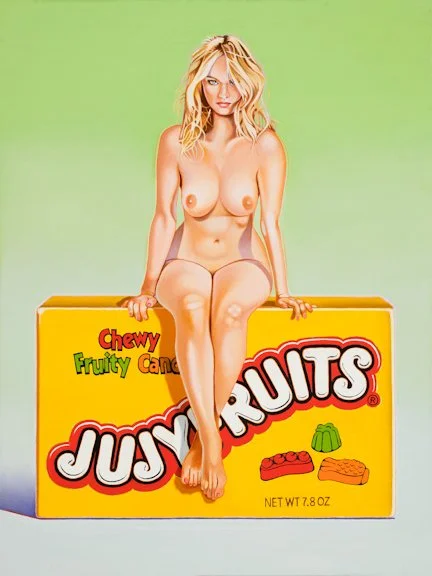
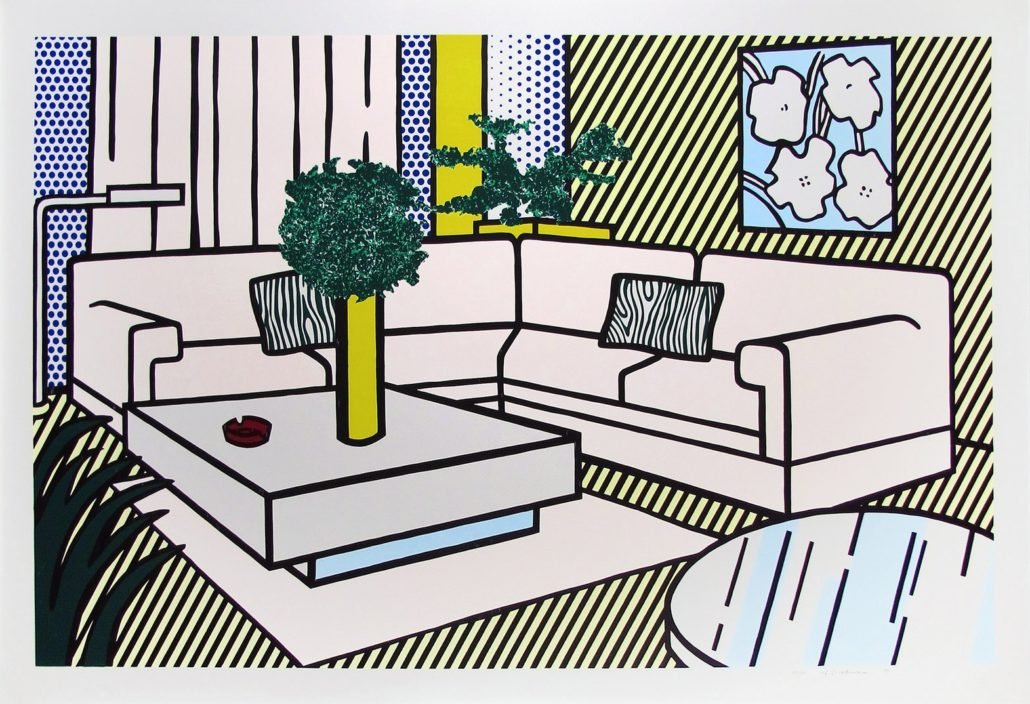
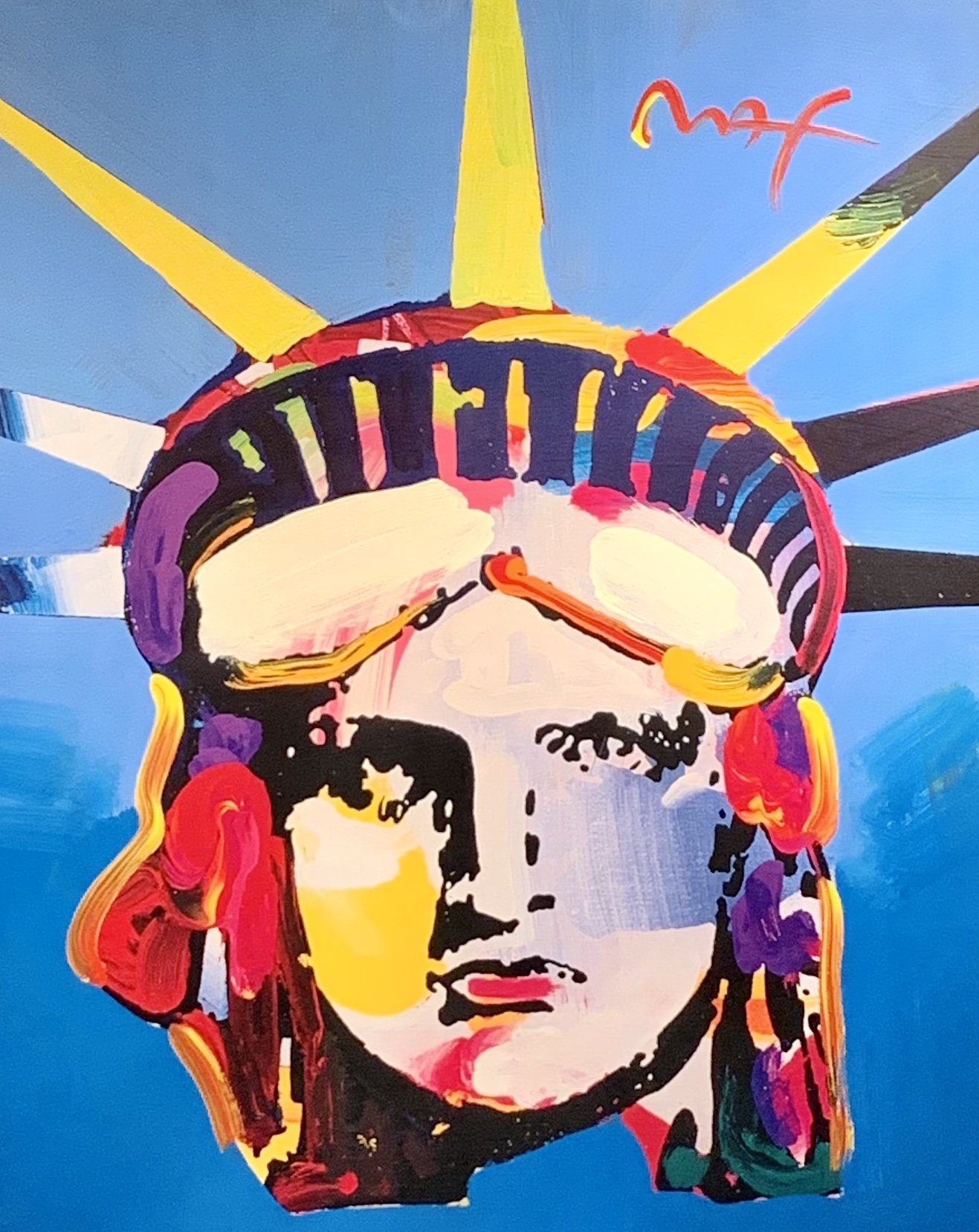
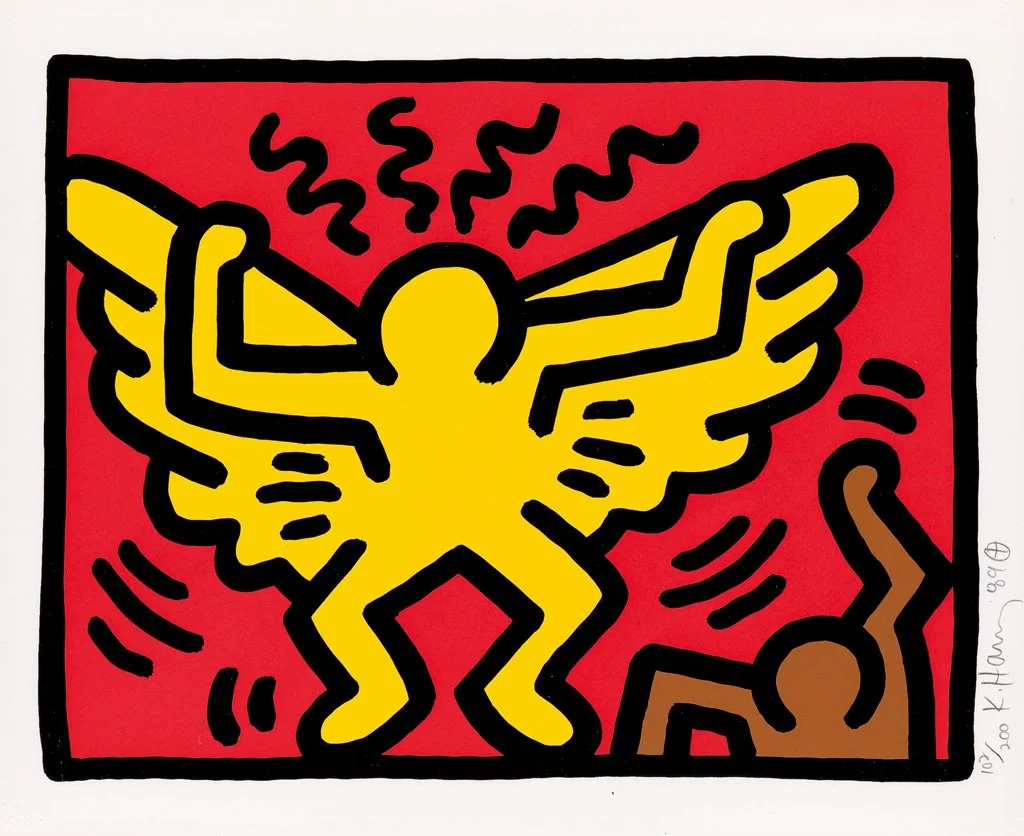
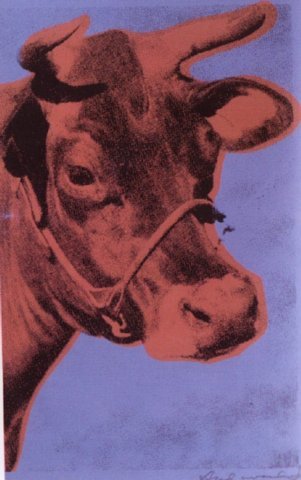
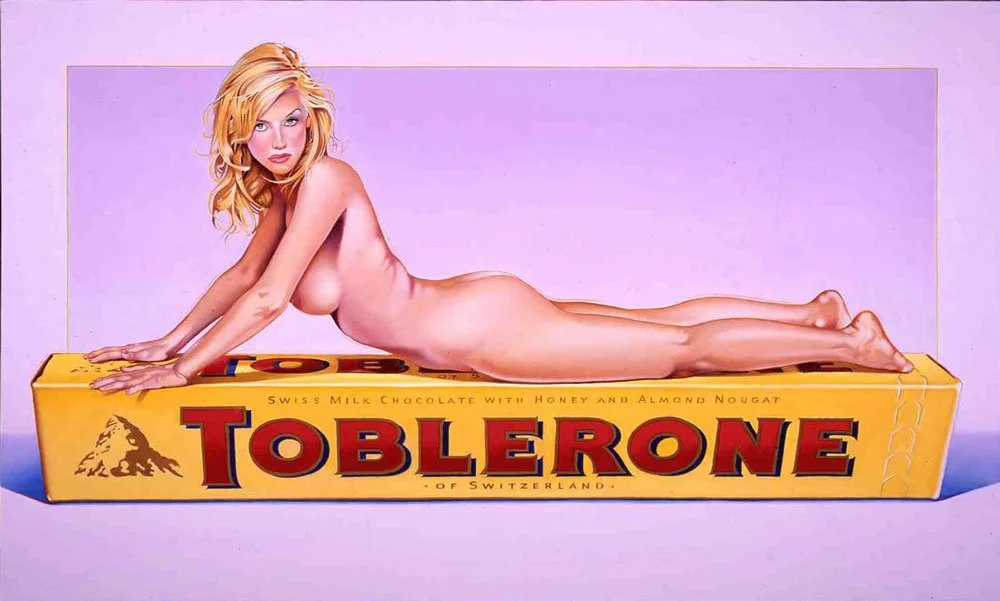
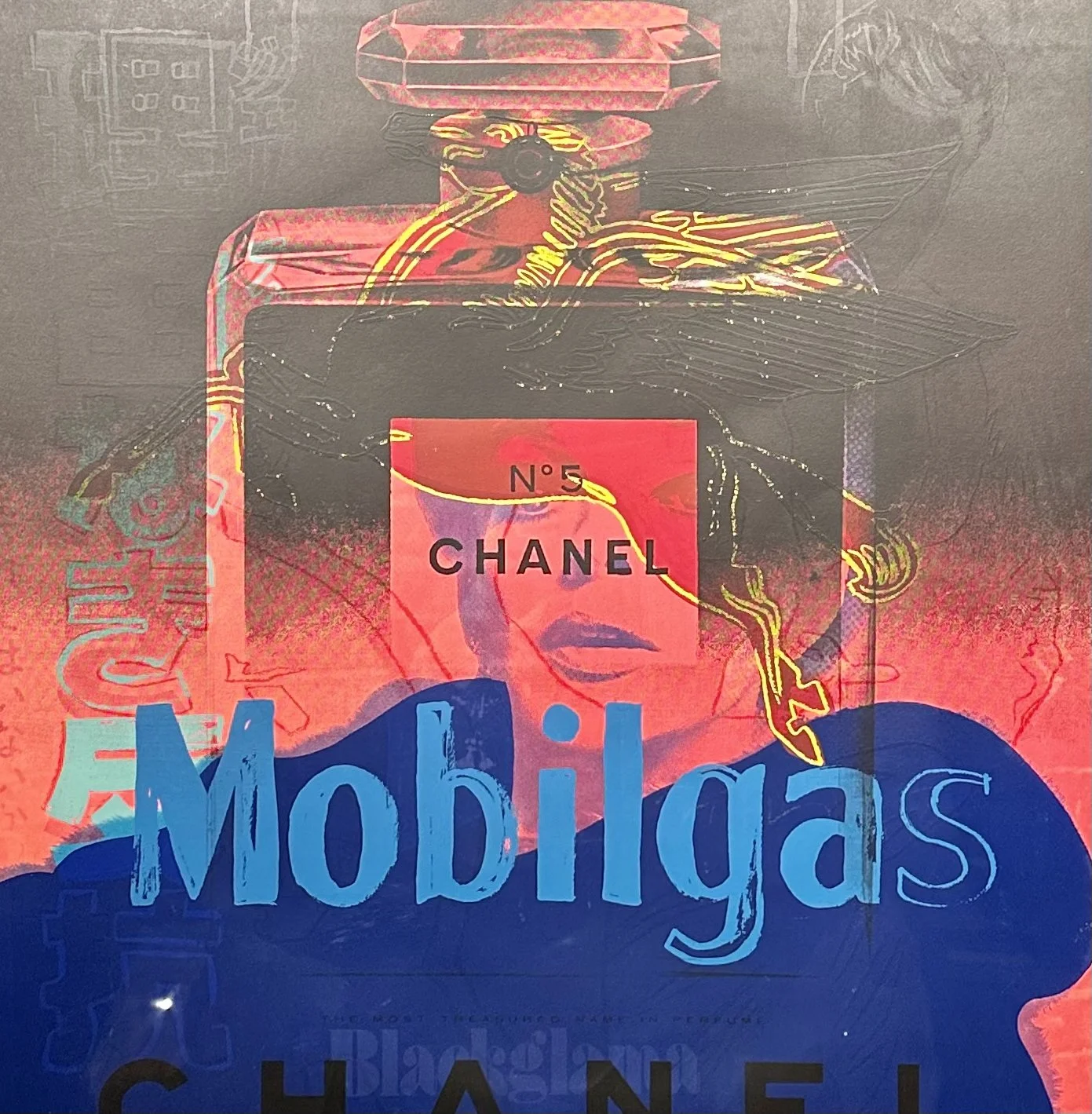
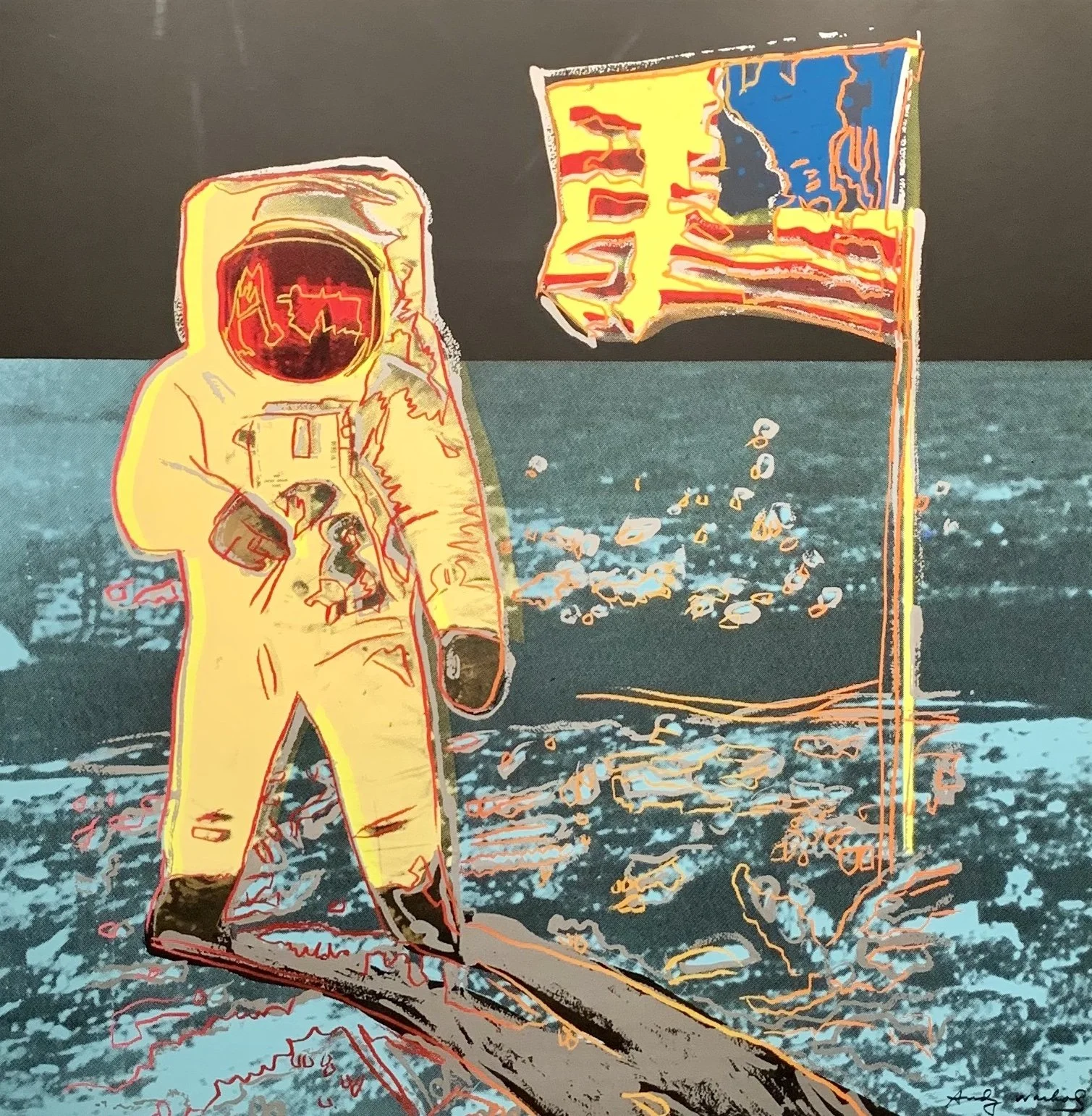
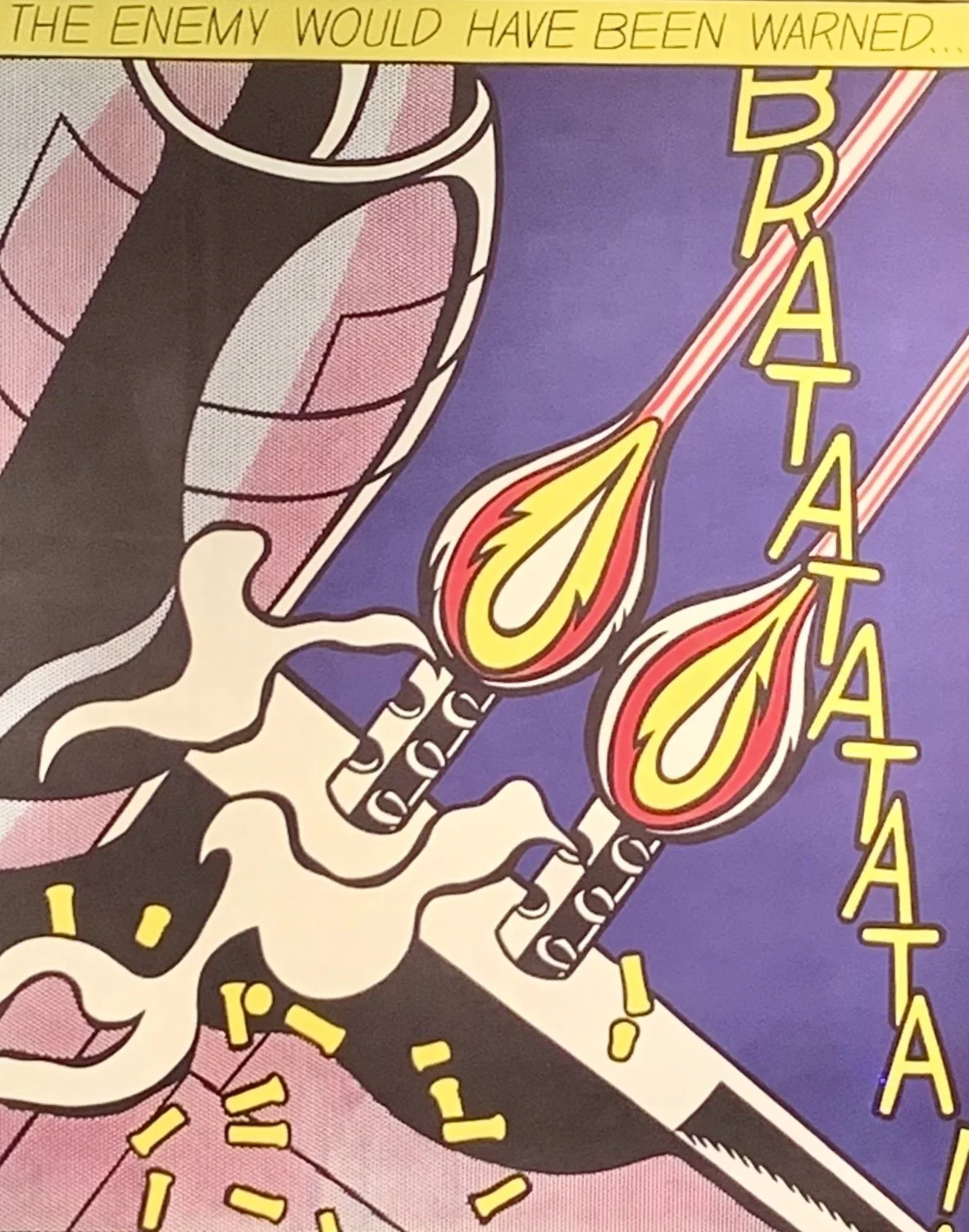
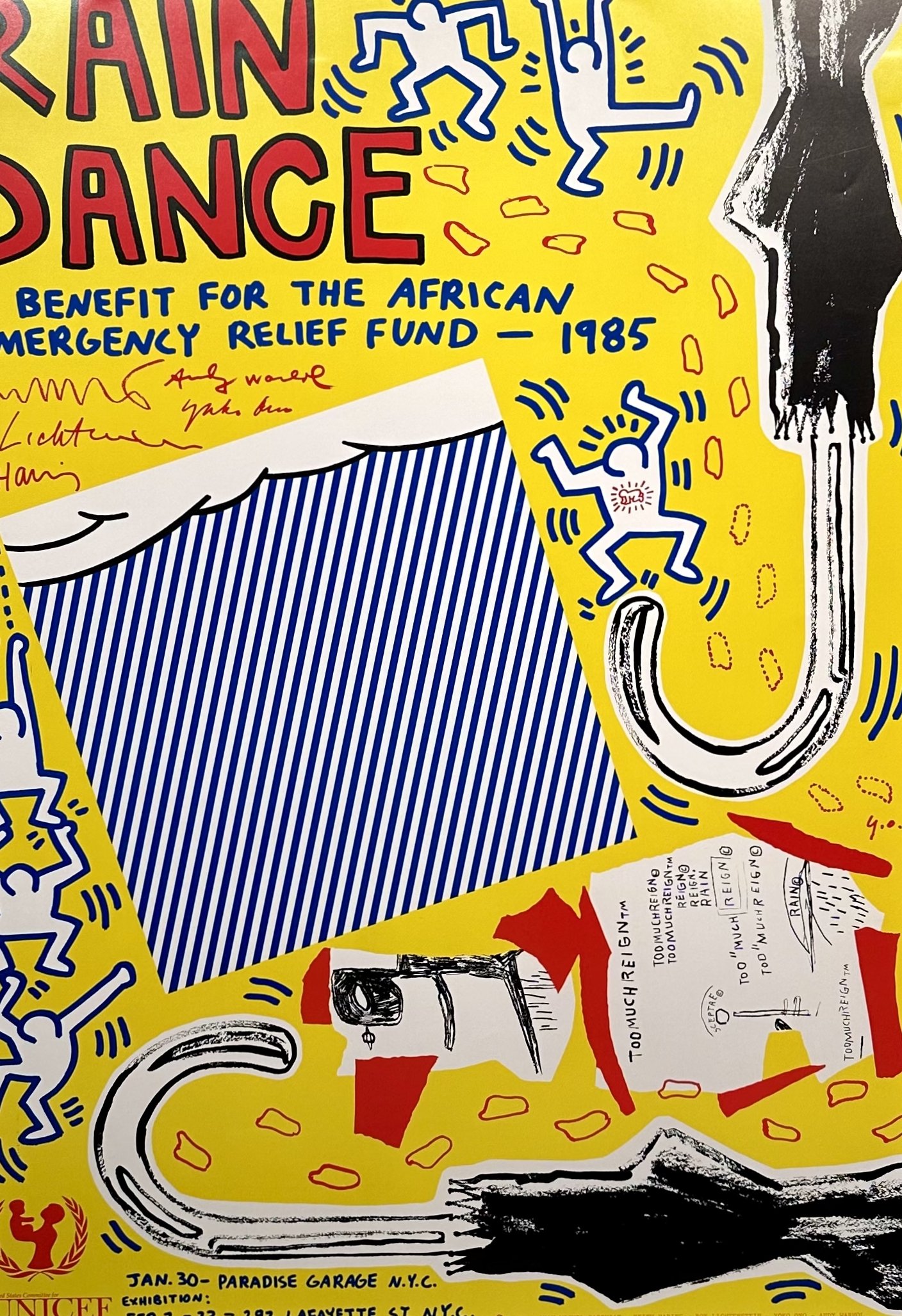

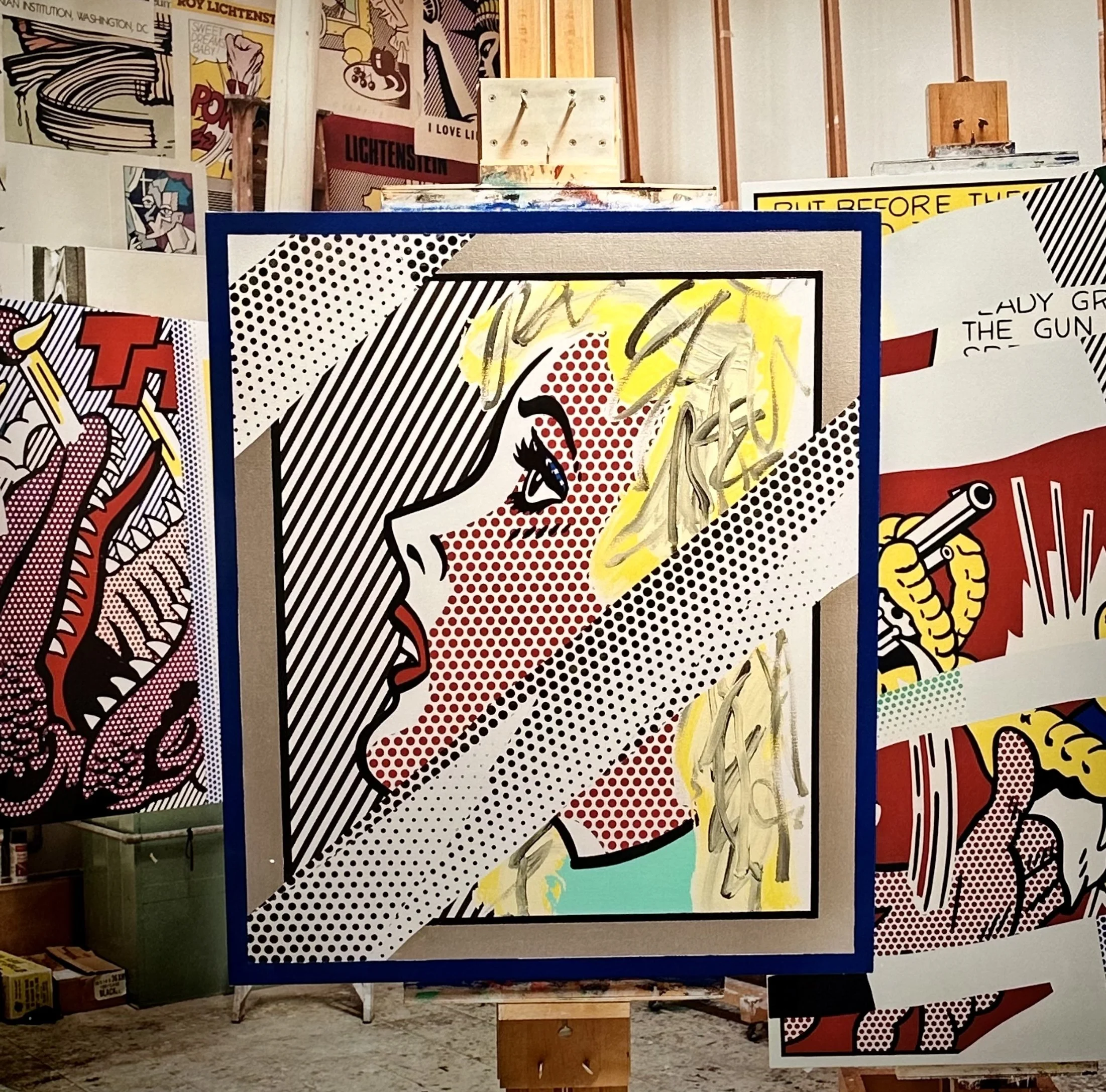
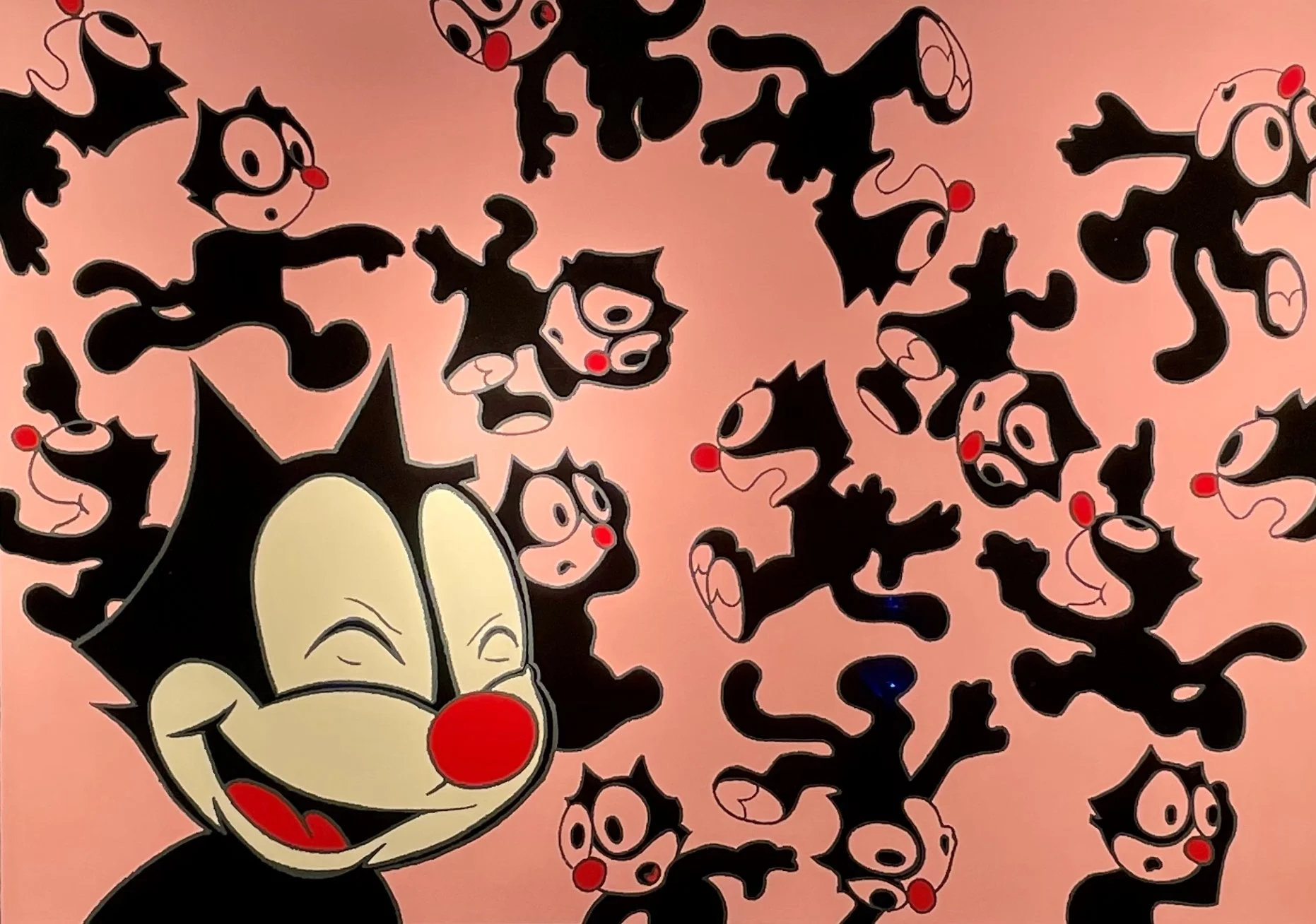
pop icons
Art collectors and cultural taste-makers are invited to experience a museum-caliber presentation—without the need to travel to Art Miami, Art Basel, or a contemporary art museum.
American Fine Art presents a rare opportunity to view and acquire iconic works by legendary artists including Keith Haring, Andy Warhol, Takashi Murakami, Robert Indiana, Roy Lichtenstein, David Hockney, Tom Wesselmann, Peter Max, Mel Ramos, and more.
Every piece in the exhibition is fully displayed, curated, and available to be added to distinguished private collections. POP ICONS brings together bold color, cultural commentary, and timeless visual language in one refined destination.


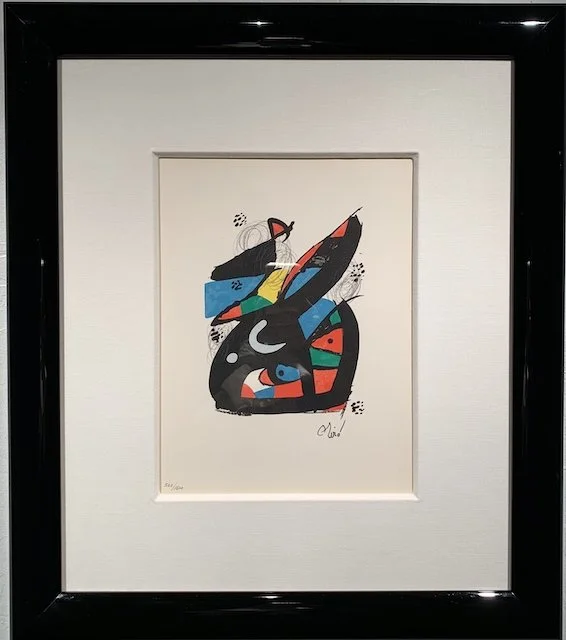
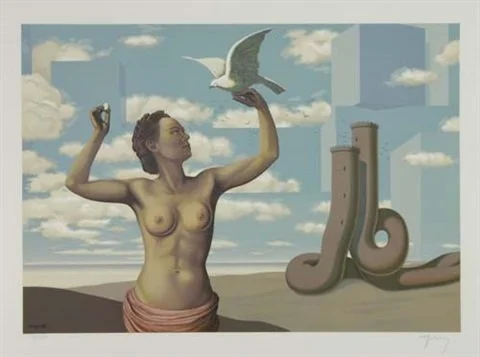

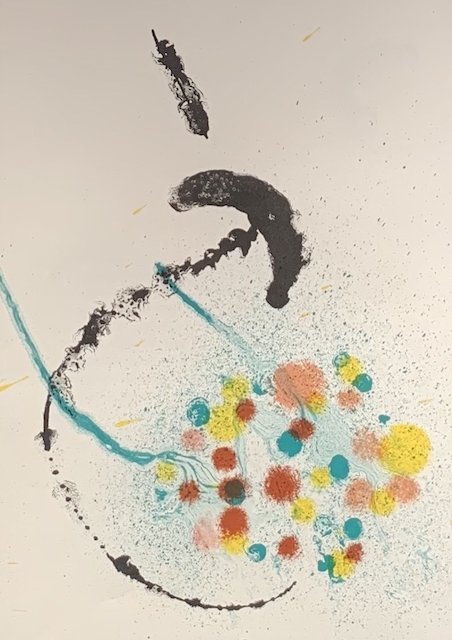
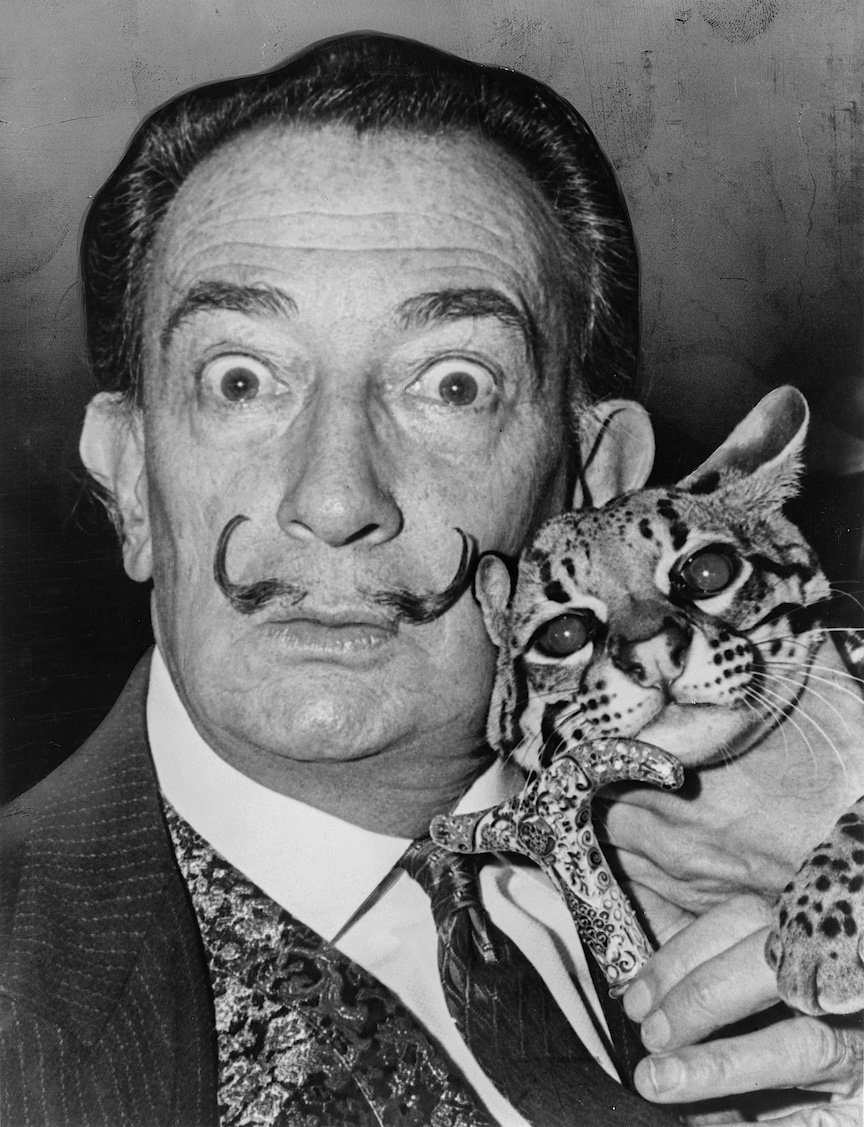
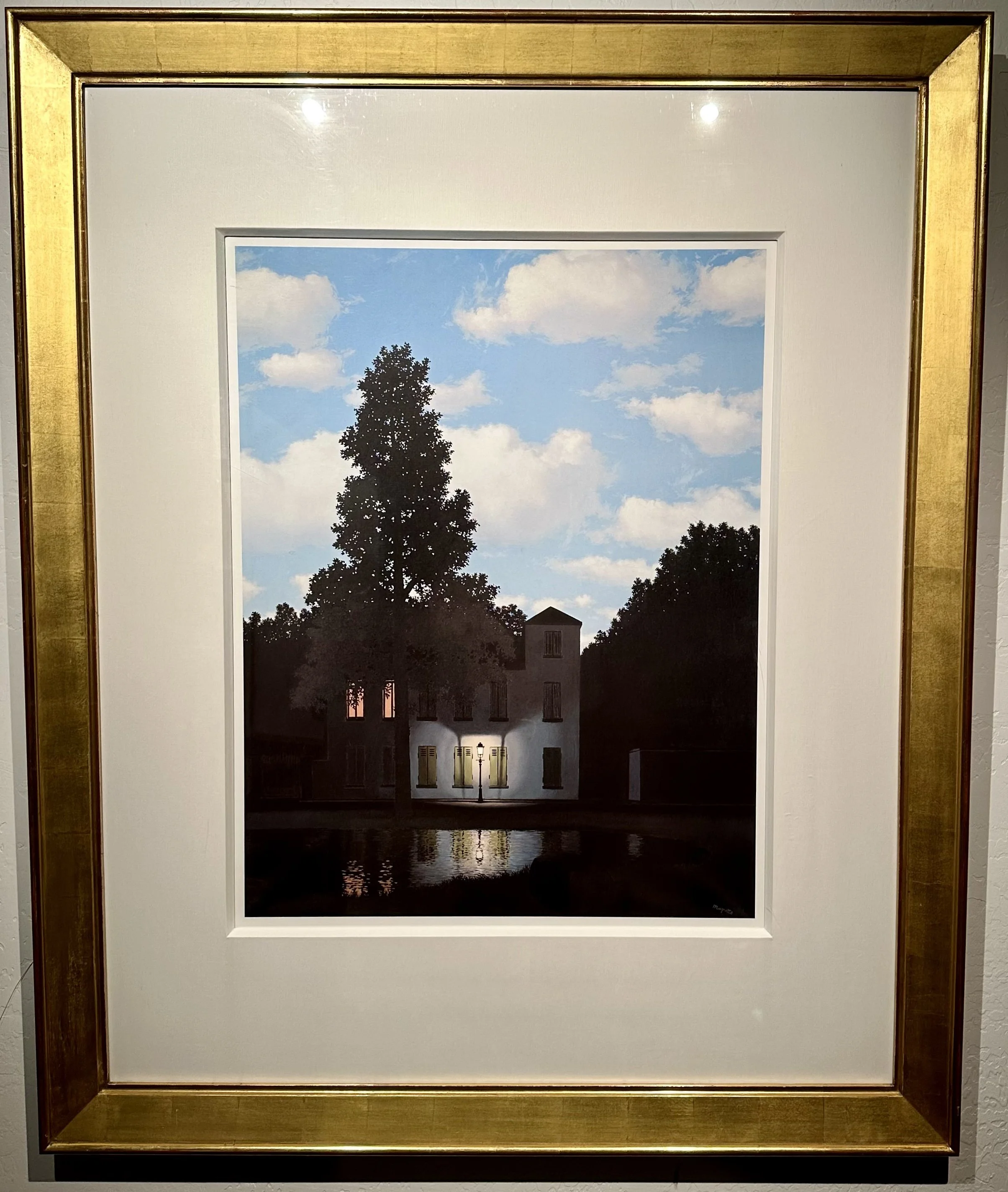
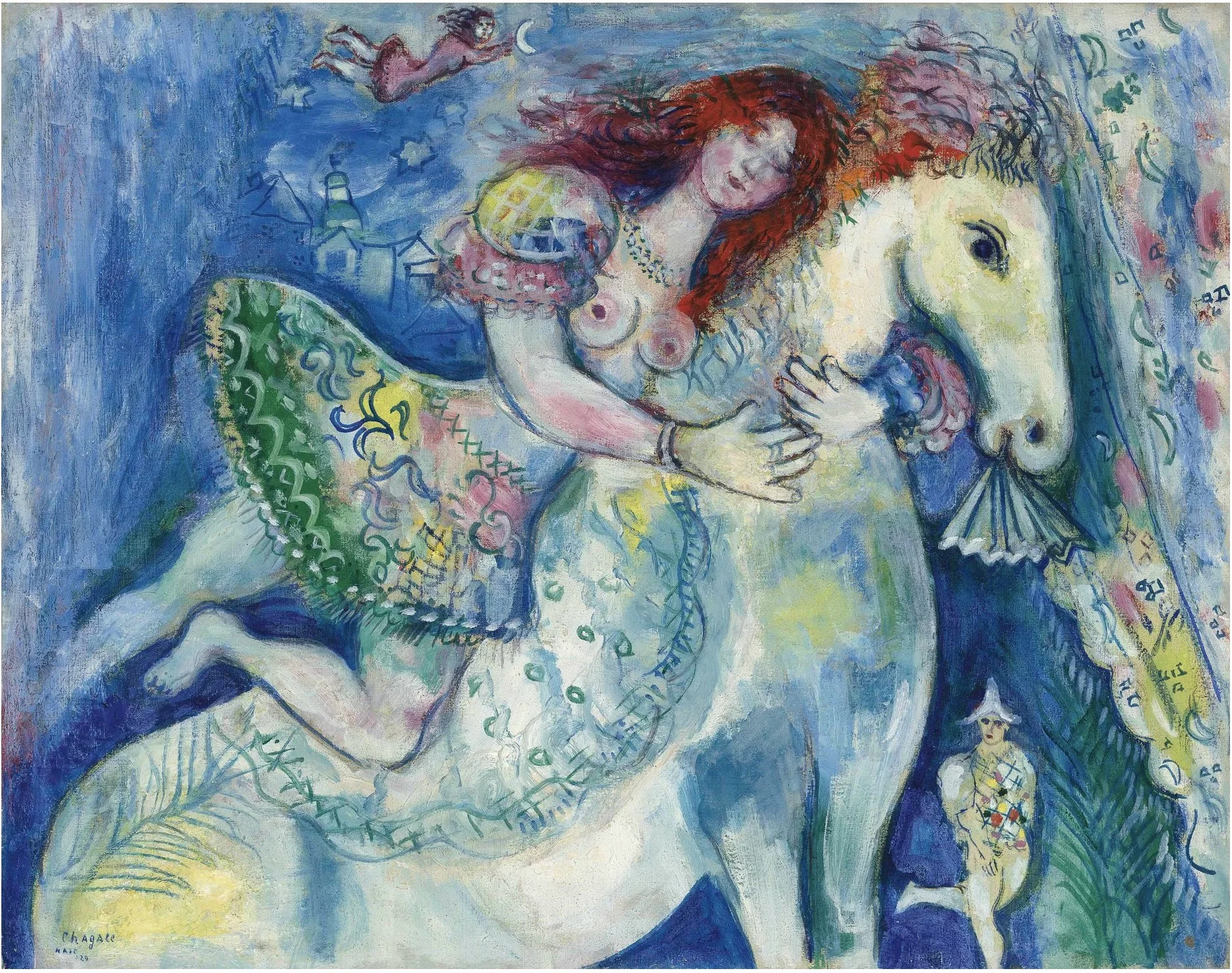

surrealist visions
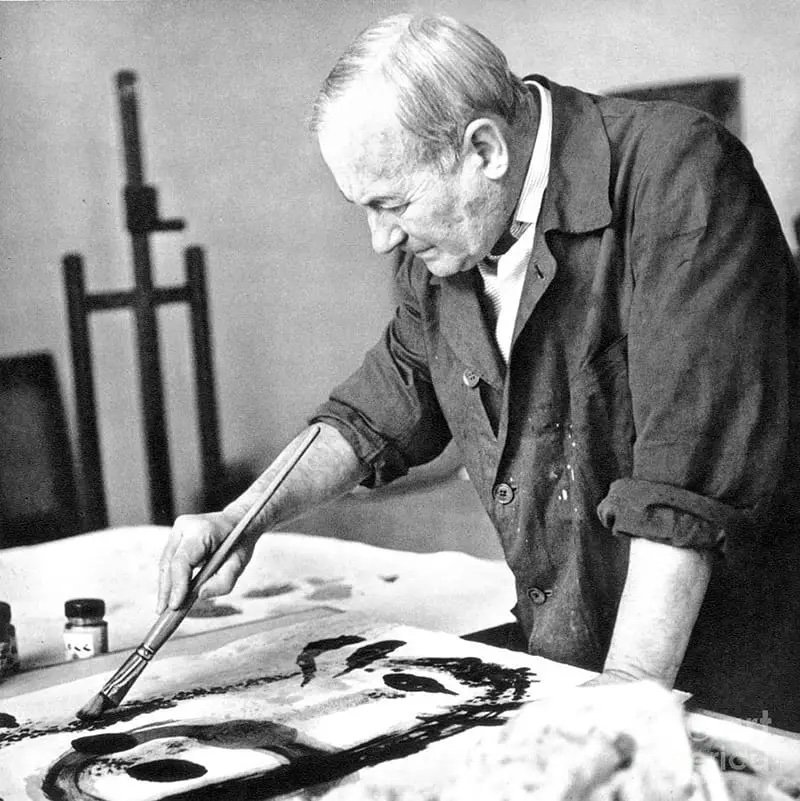
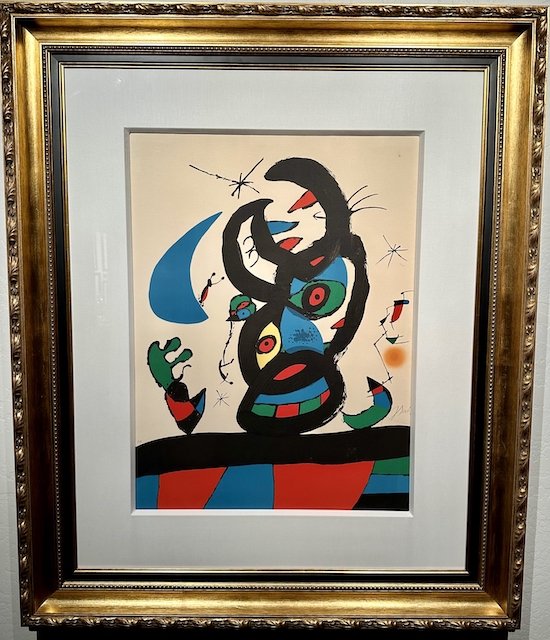
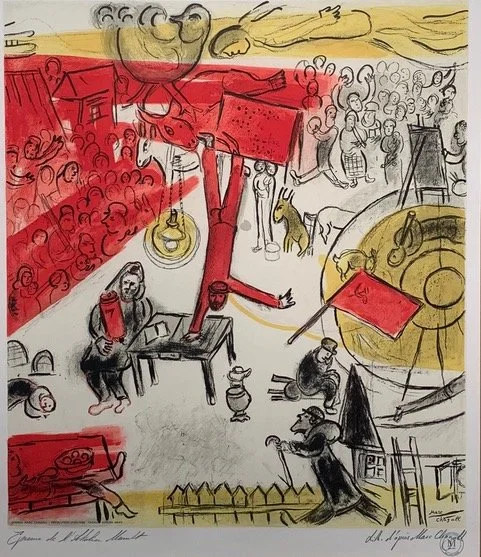
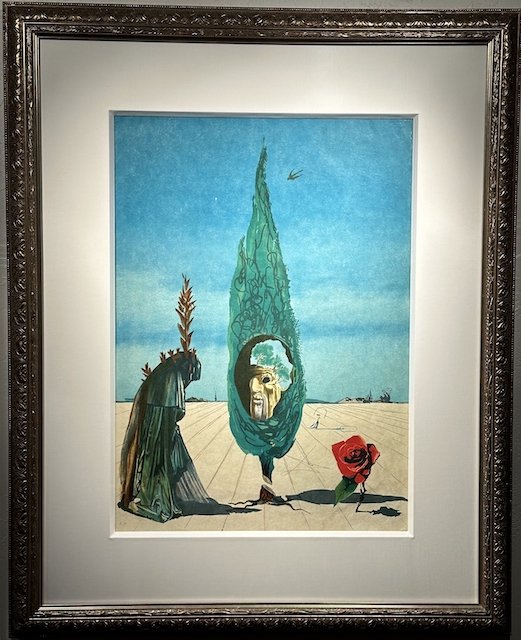
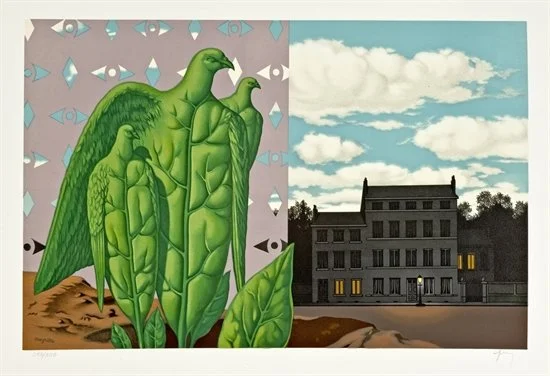
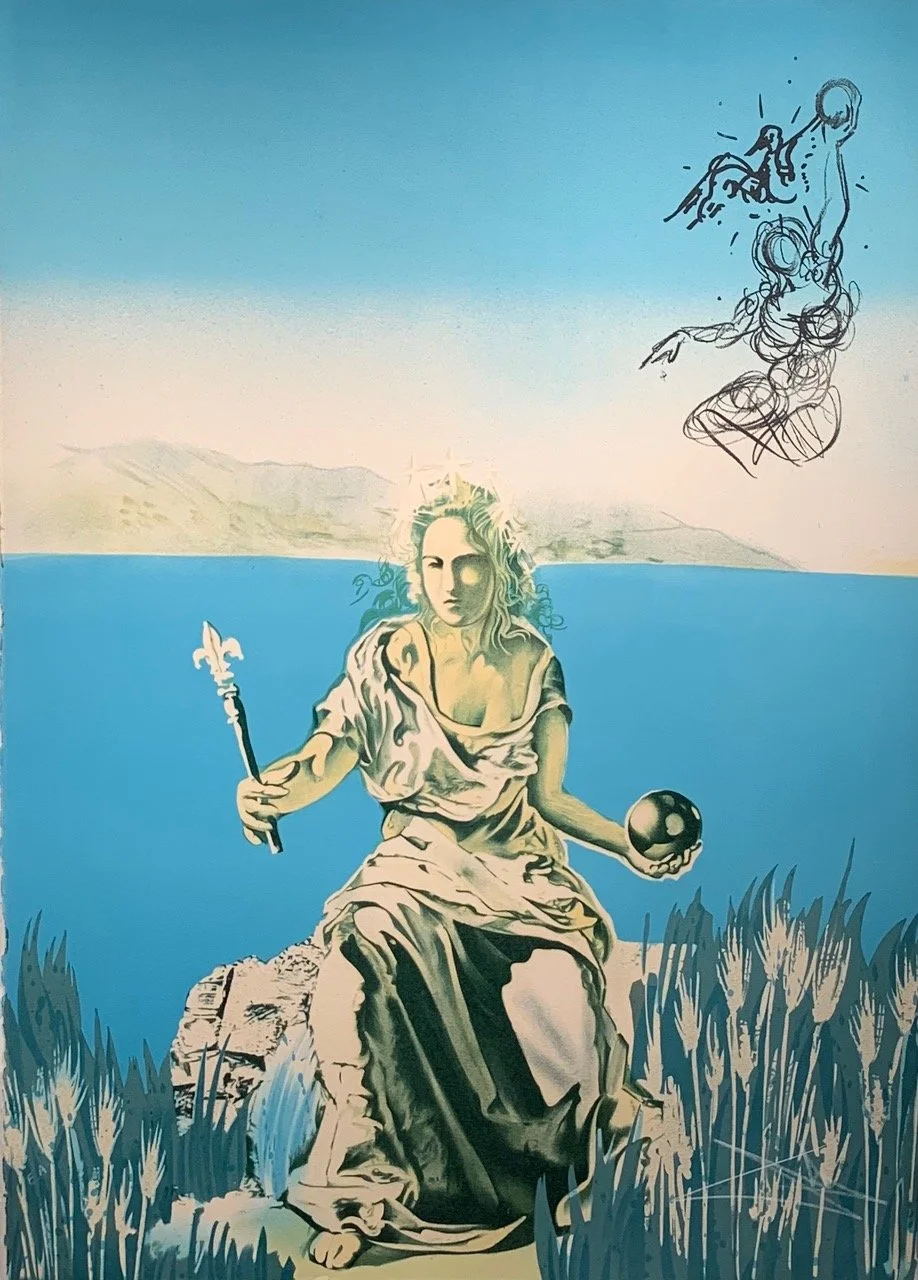
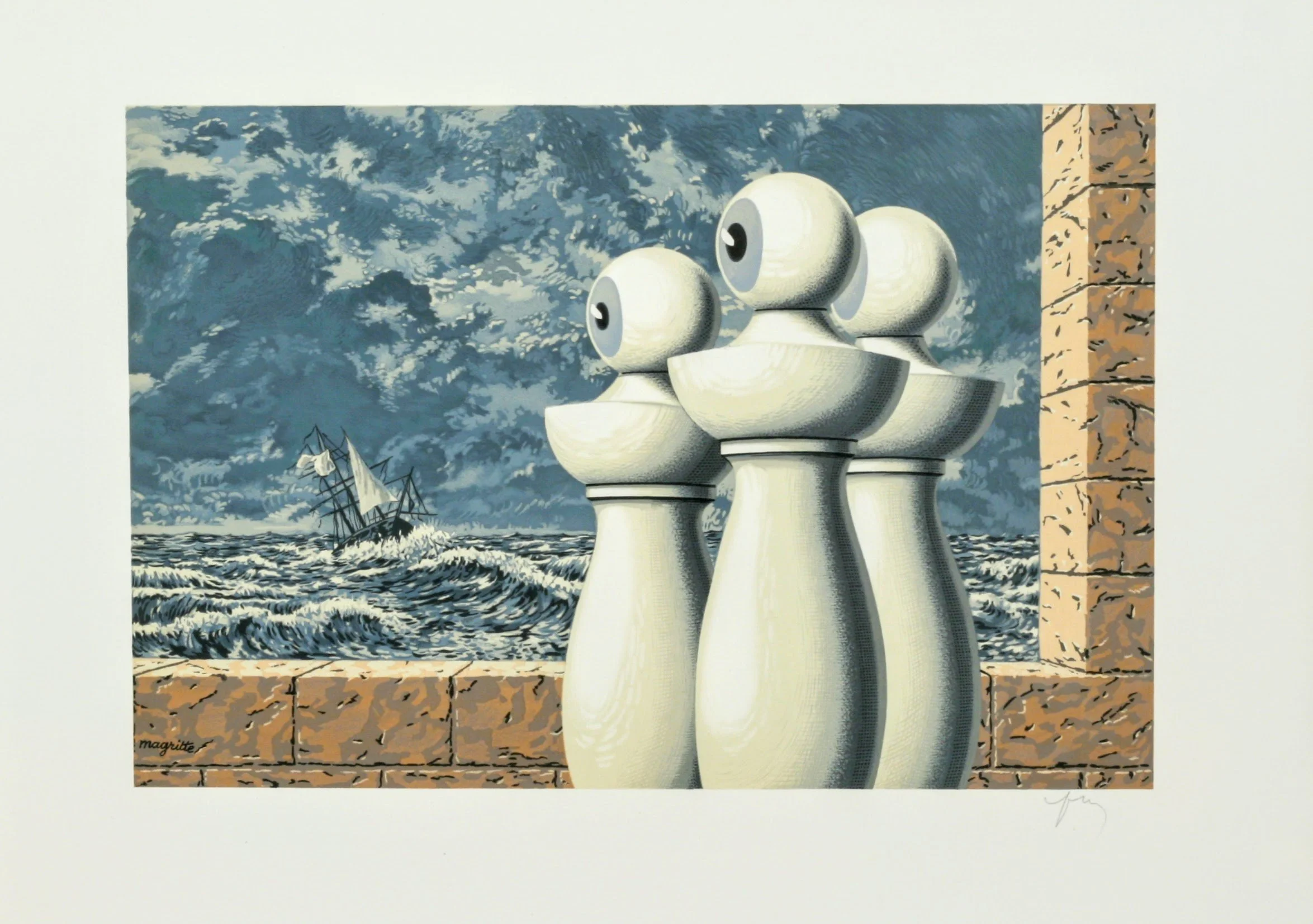
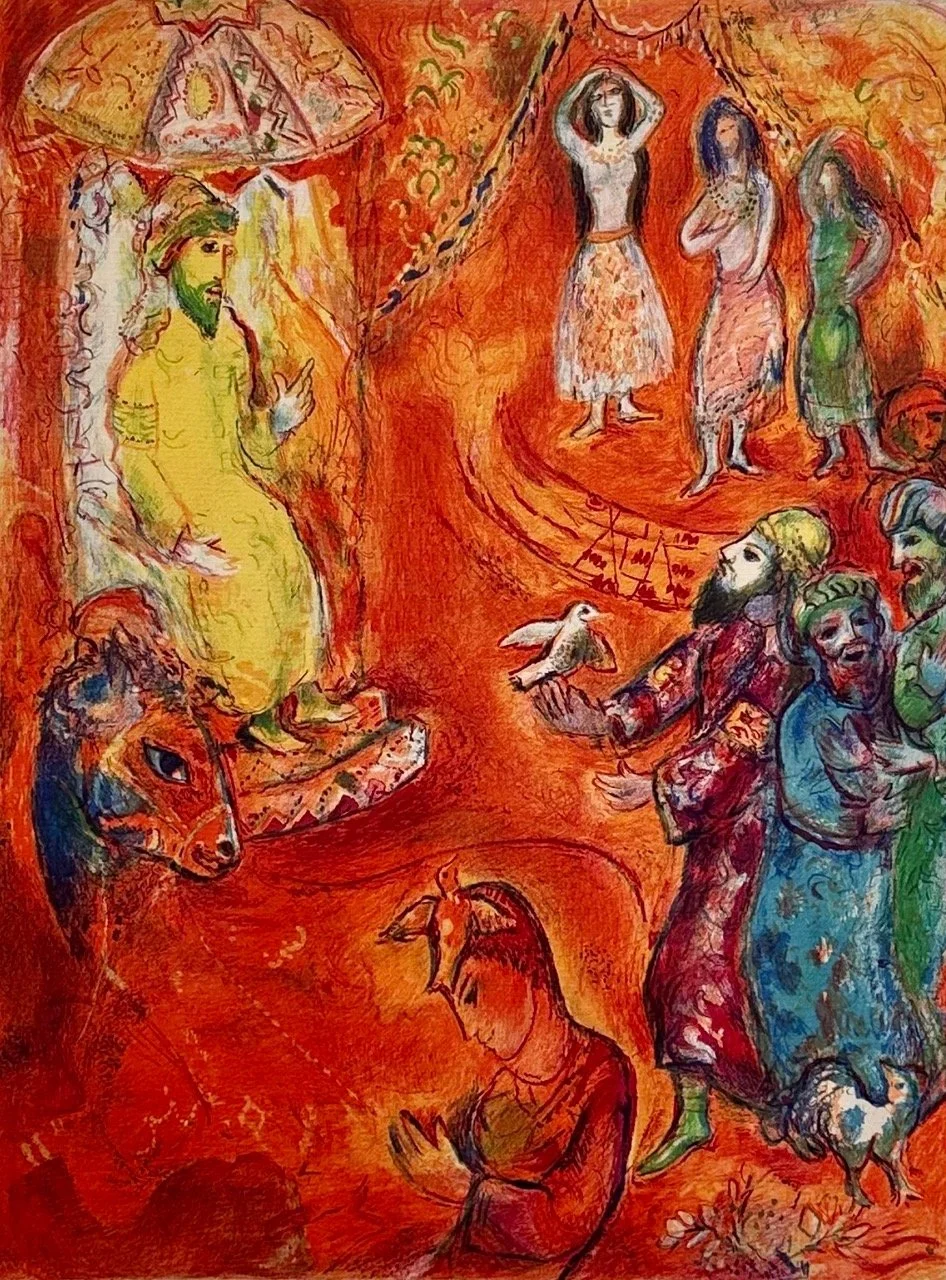
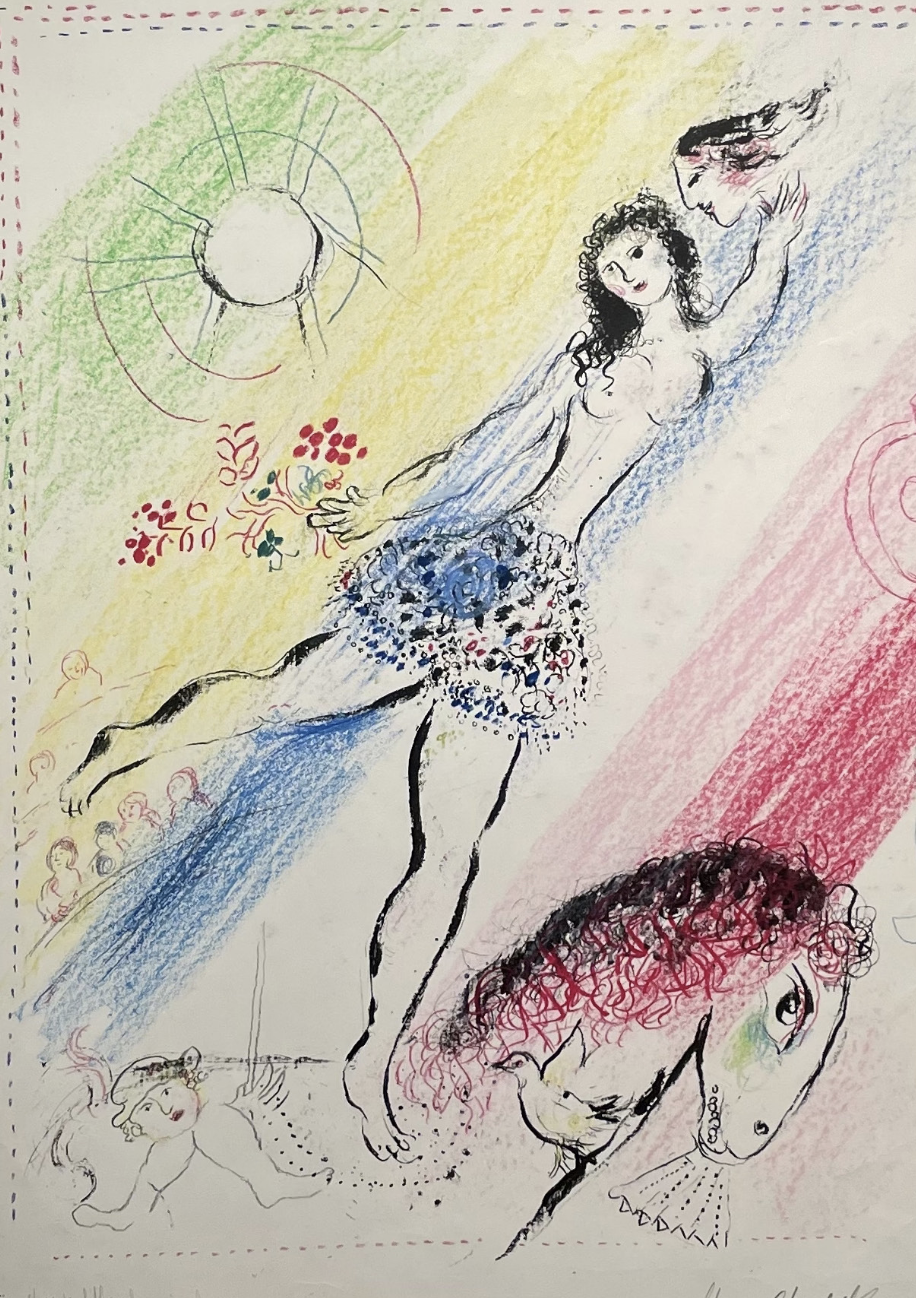
We are honored to welcome you to Surrealist Visions, an extraordinary fine-art exhibition celebrating the founding masters of Surrealism. This exhibit brings together rare and museum-quality works by Man Ray, Salvador Dalí, Joan Miró, Marc Chagall, and René Magritte—a once-in-a-generation assembly of visionary brilliance.
These are some of the finest and rarest pieces ever presented, offering an intimate encounter with the imagination, symbolism, and radical creativity that shaped a century of art.
Classical Echoes:
A Tribute to the Timeless Masters of Art
Opening November 15, 2025
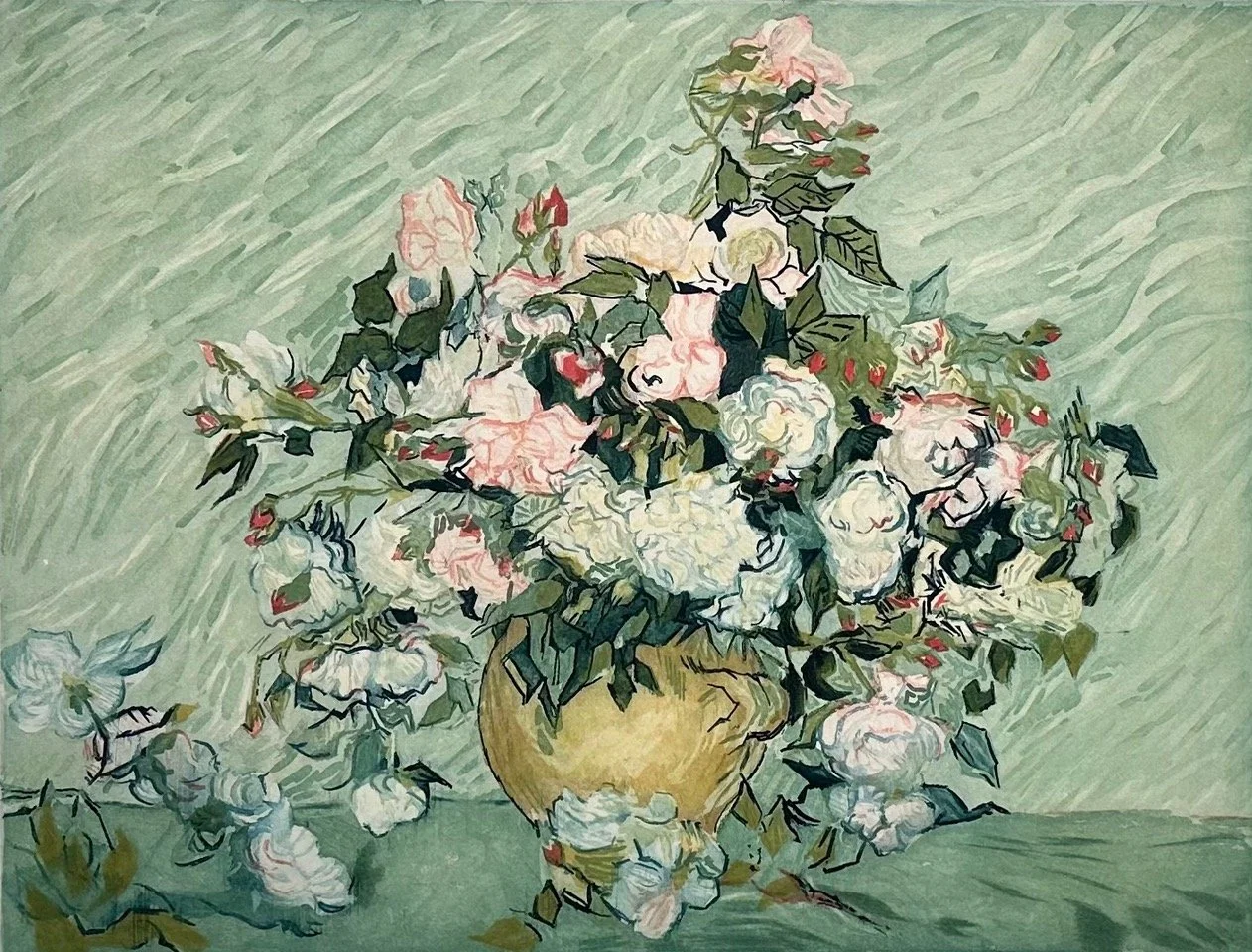
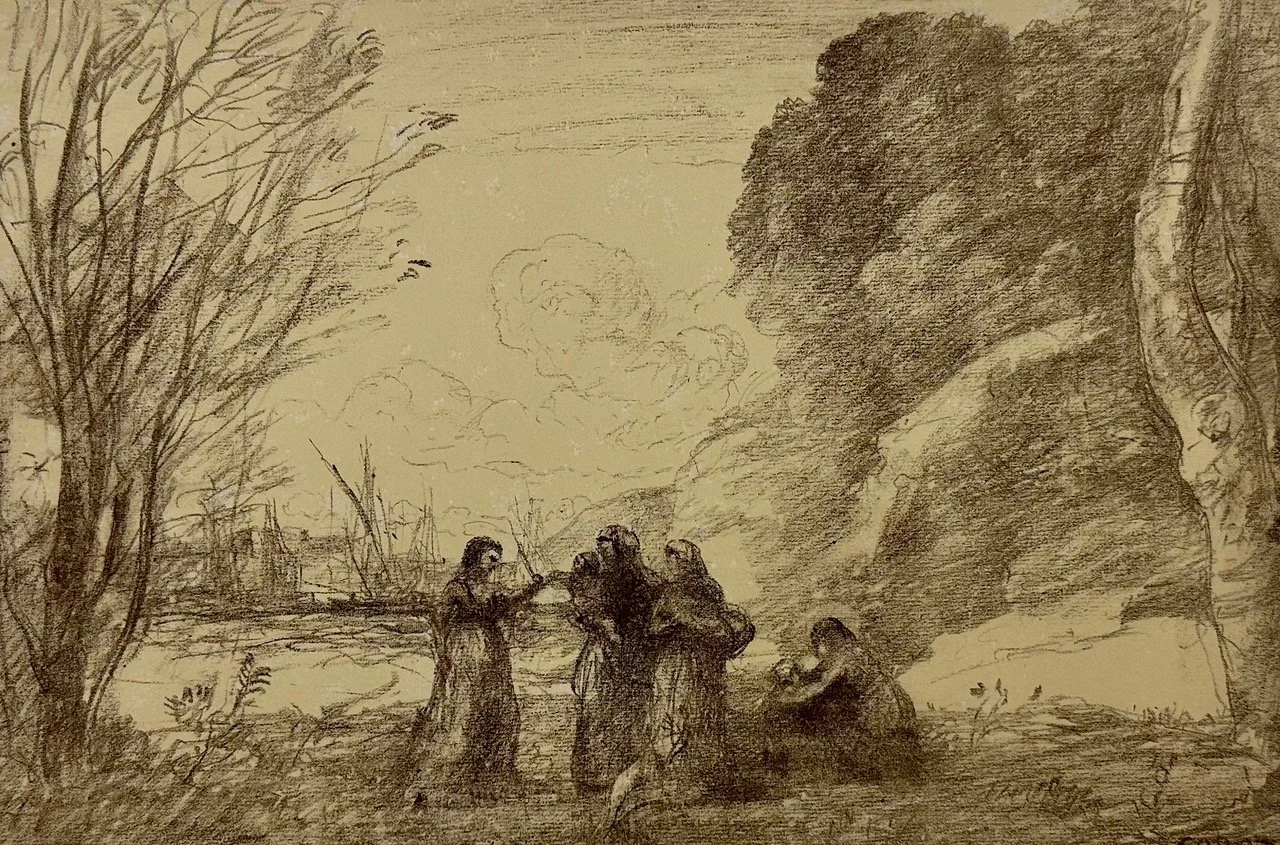

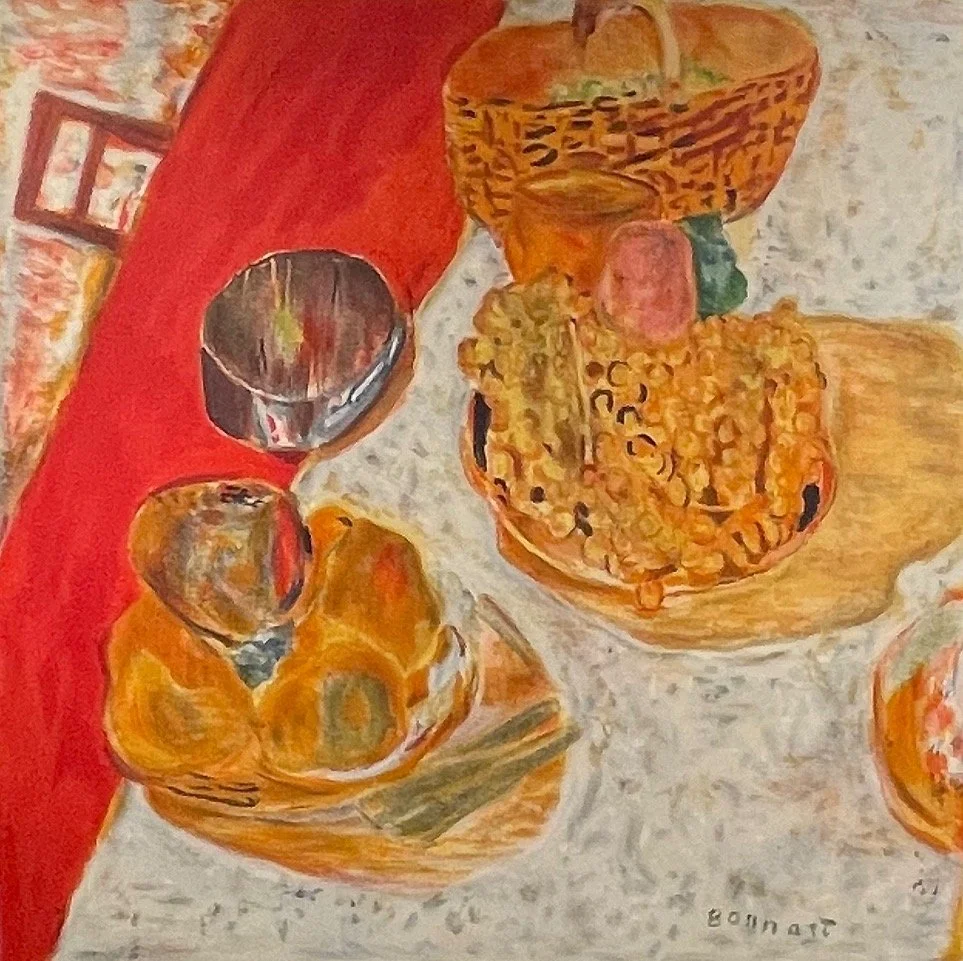

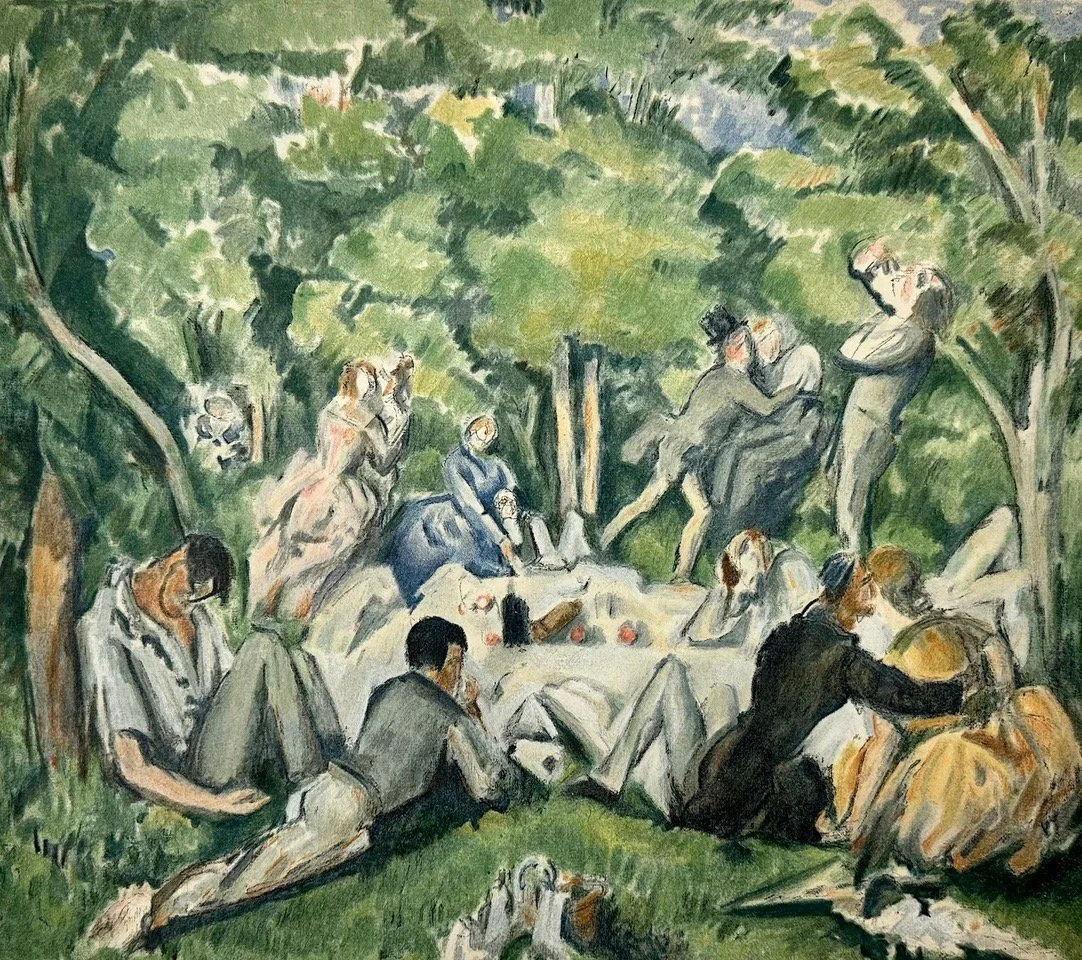
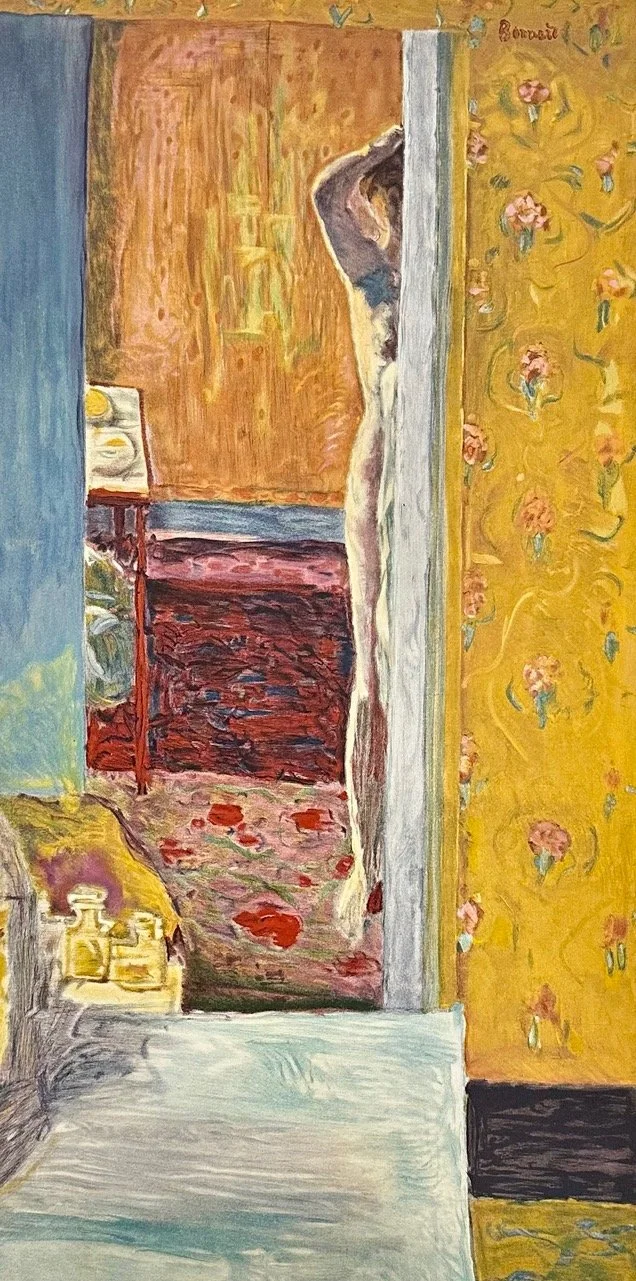
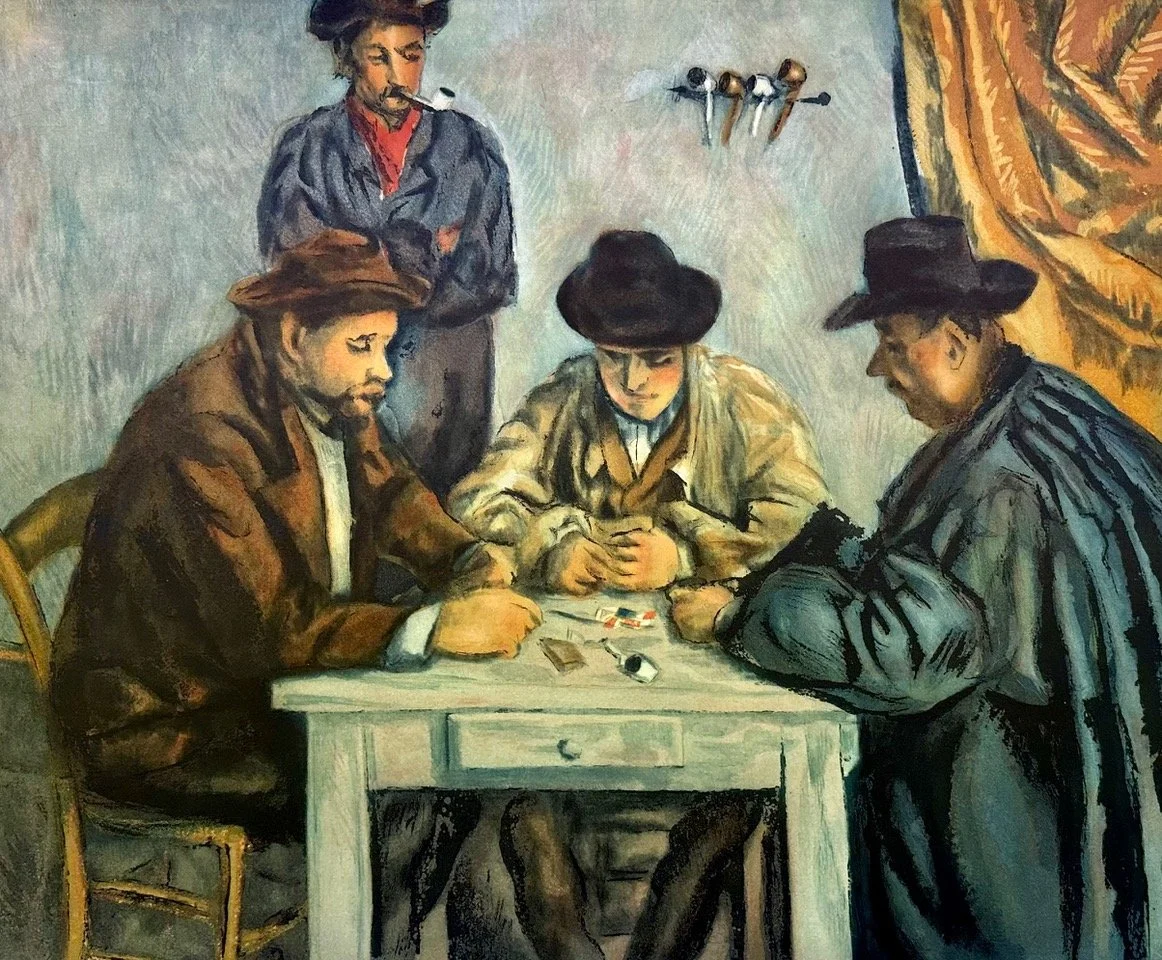
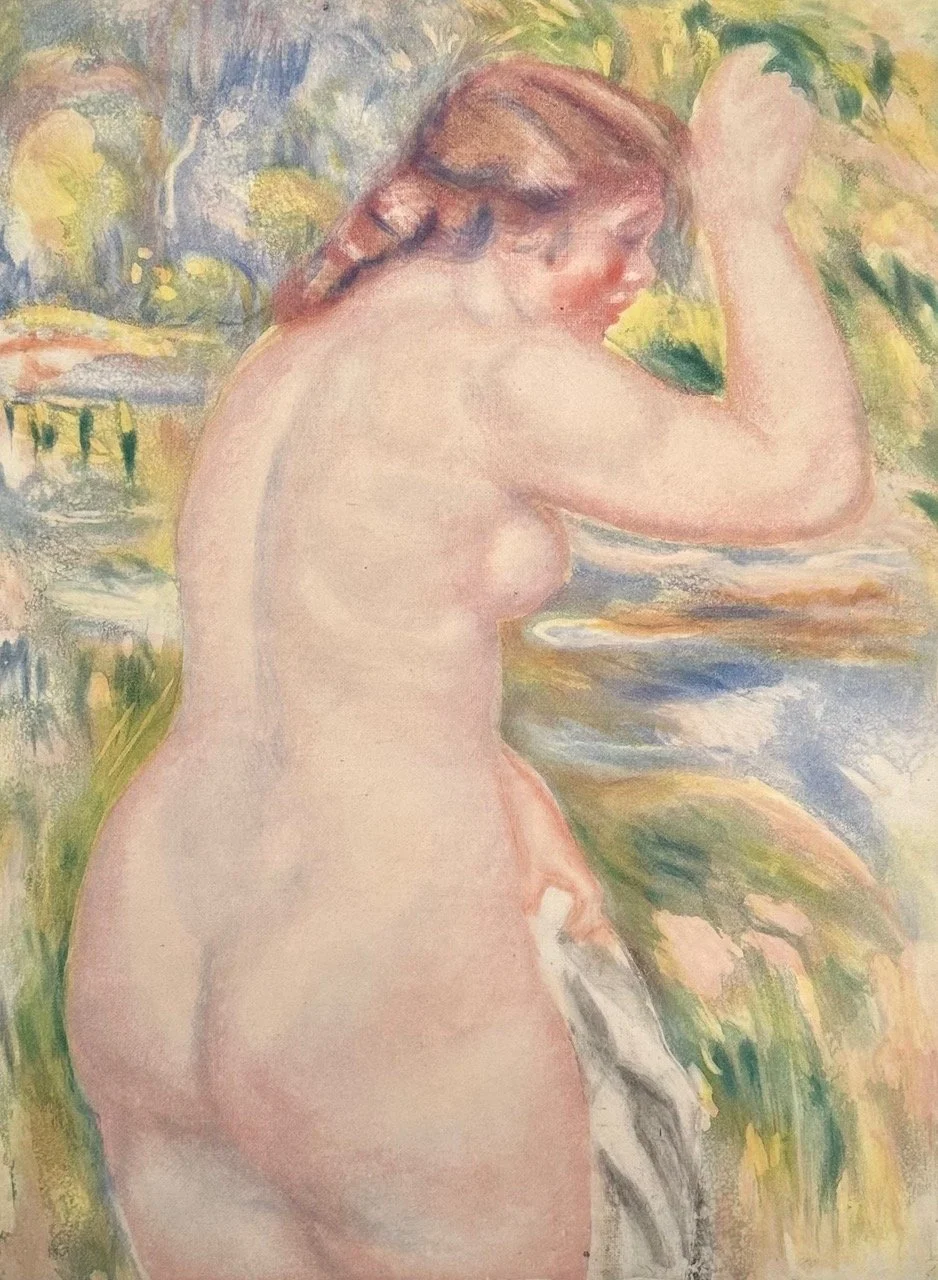
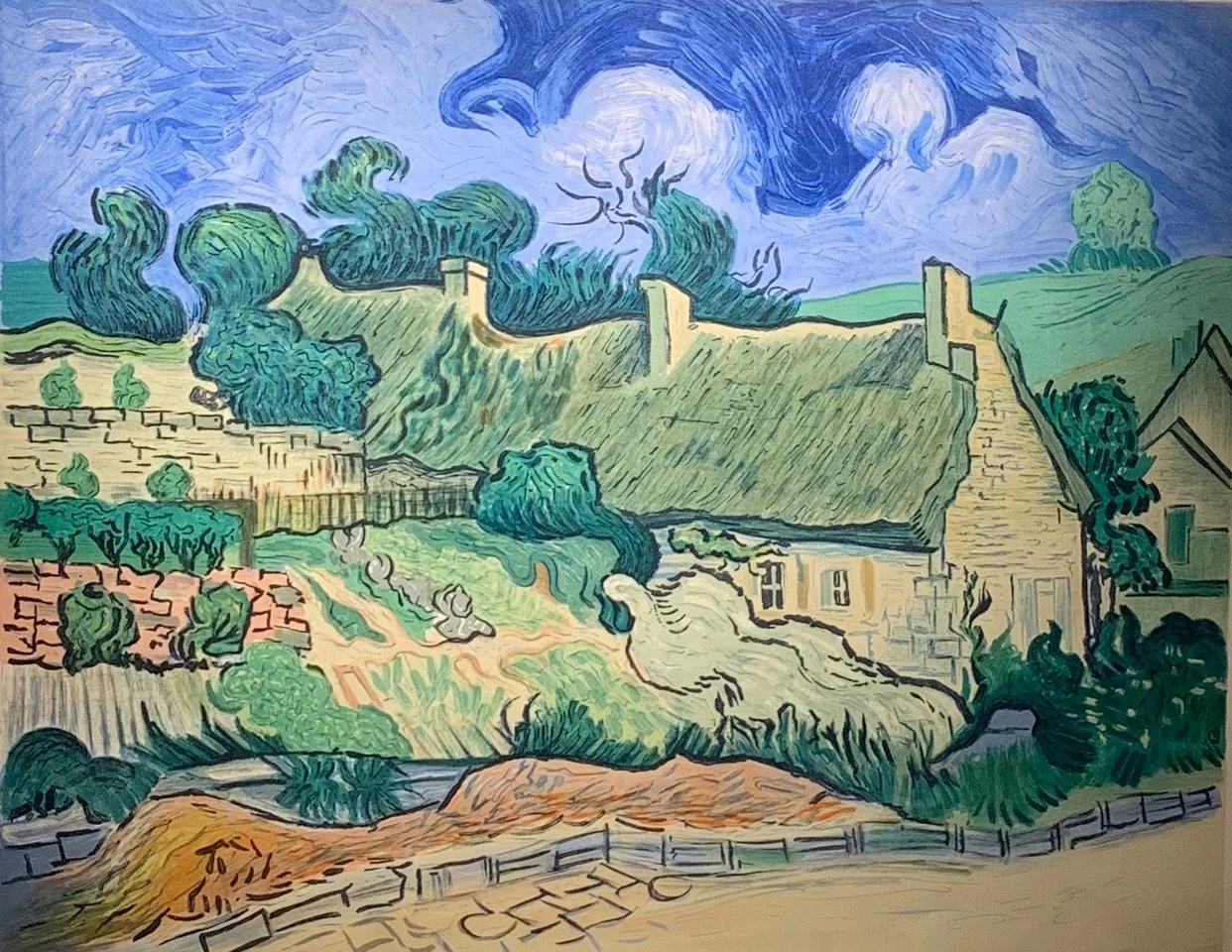
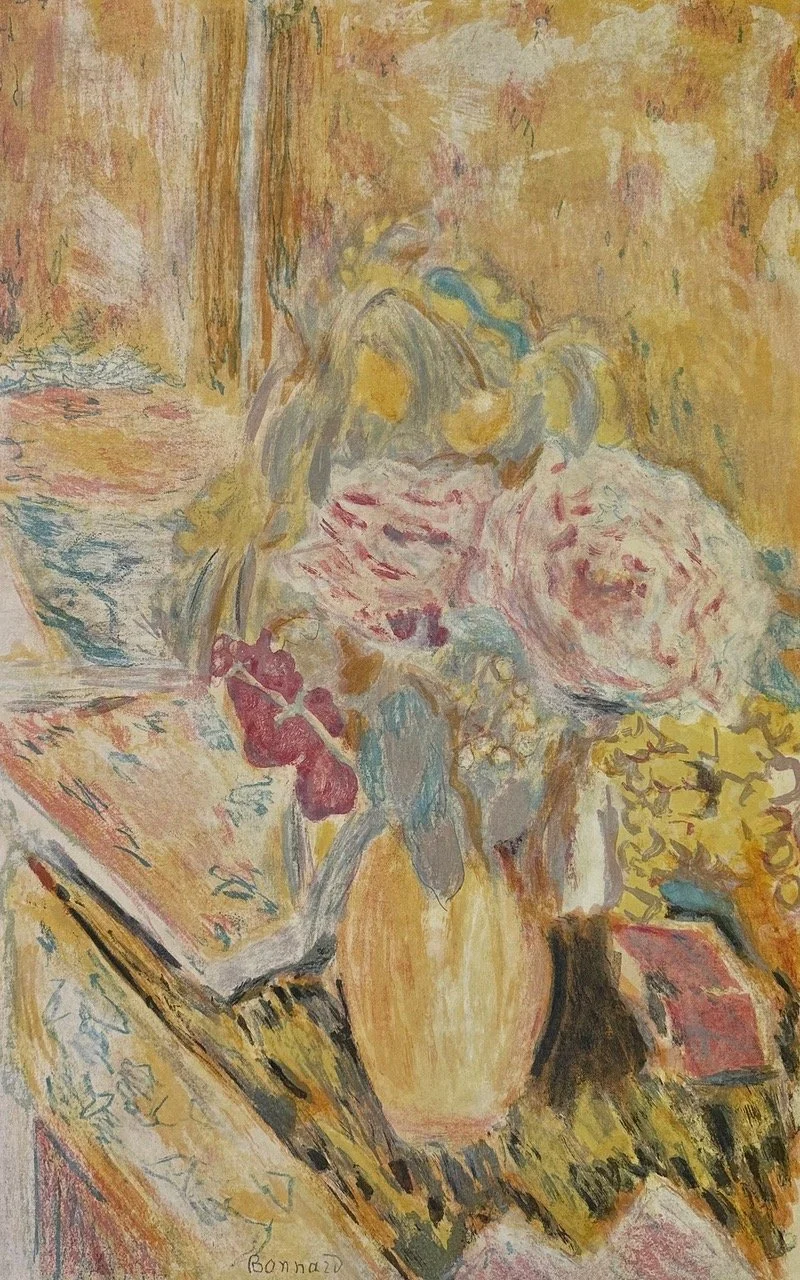
This November, the art world will turn its eyes to Old Town Scottsdale as American Fine Art, Inc., America’s premier fine art gallery, unveils its latest exhibition: Classical Echoes. Opening to the public on November 15, 2025, this landmark show pays homage to the classical techniques and enduring beauty of traditional art.
Featuring more than 75 original works of art, Classical Echoes offers an extraordinary opportunity for collectors and enthusiasts to experience—and acquire—masterpieces of unparalleled historical and cultural significance. The exhibition will run for three weeks only, making this a limited engagement not to be missed.
The exhibition presents an extraordinary lineup of works from the world’s most celebrated artists, including: Vincent van Gogh, Pierre-Auguste Renoir, Henri de Toulouse-Lautrec, Amedeo Modigliani, Jules Chéret, Claude Monet, & Rembrandt van Rijn.
“Classical Echoes is more than an exhibition—it is a once-in-a-lifetime chance for collectors to bring home a piece of history,” said Phil Koss, Director of American Fine Art, Inc. “To stand before these works is to feel the weight of centuries of artistic brilliance. To acquire them is to secure a legacy.”
Every work in the exhibition is available for purchase, offering serious collectors the chance to expand their holdings with pieces of extraordinary provenance and timeless beauty.








The greatest art destinations
Over the last several months American Fine Art, Inc. has taken you on a journey to some of the world’s finest art destinations including the Far East, Paris, Spain and the Southwest. It has been an incredible trip delighting the senses at every stop with flavors and fine art to savor.
For those of you who joined us for our prior exhibits either in person or through our state-of-the-art ArtVR technology, we thank you and invite you back to celebrate the last locale on our journey. For those joining us for the first time welcome to the final stop of our around the world tour.
LONDON.
Join us for the debut of this curated collection featuring some of London’s finest including Francis Bacon, Philippe Noyer, Damien Hirst, David Hockney and Banksy - along with other international masters. The exhibit will be on display throughout the entire month of April, offering a rare opportunity to experience these masterpieces up close.
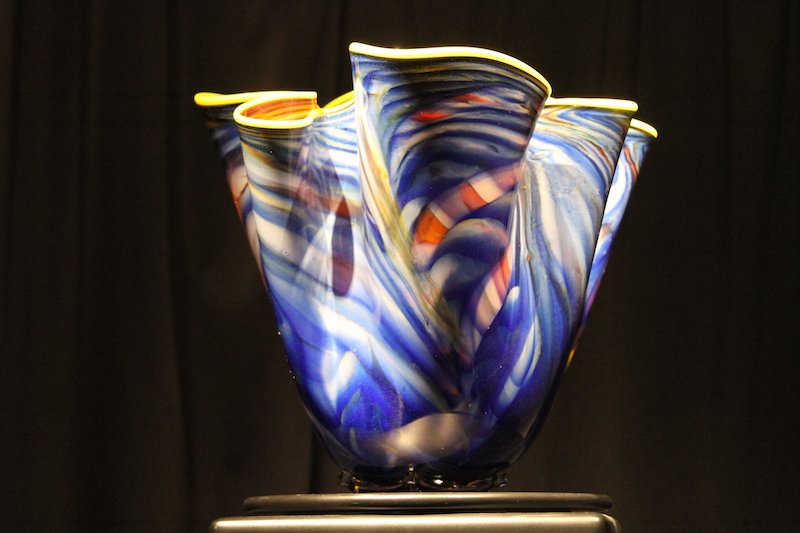
This show will allow attendees to experience the artwork in a variety of styles including Pop, Expressionist, Figurative, Street, and Surrealist. In addition to the works on the wall the gallery will feature the unique hand-blown glass creations of Lord Crosbie. Find your favorite!
We will be giving away a collaborative work by Banksy and Damien Hirst valued at $15,000.00 at the opening night reception - contact your consultant to reserve your entry.
Come and see this sensational collection for yourself for a very limited engagement. Contact your International Art Consultant today to schedule a preview of the exhibit or receive your custom tailored portfolio.
atz: out of the box
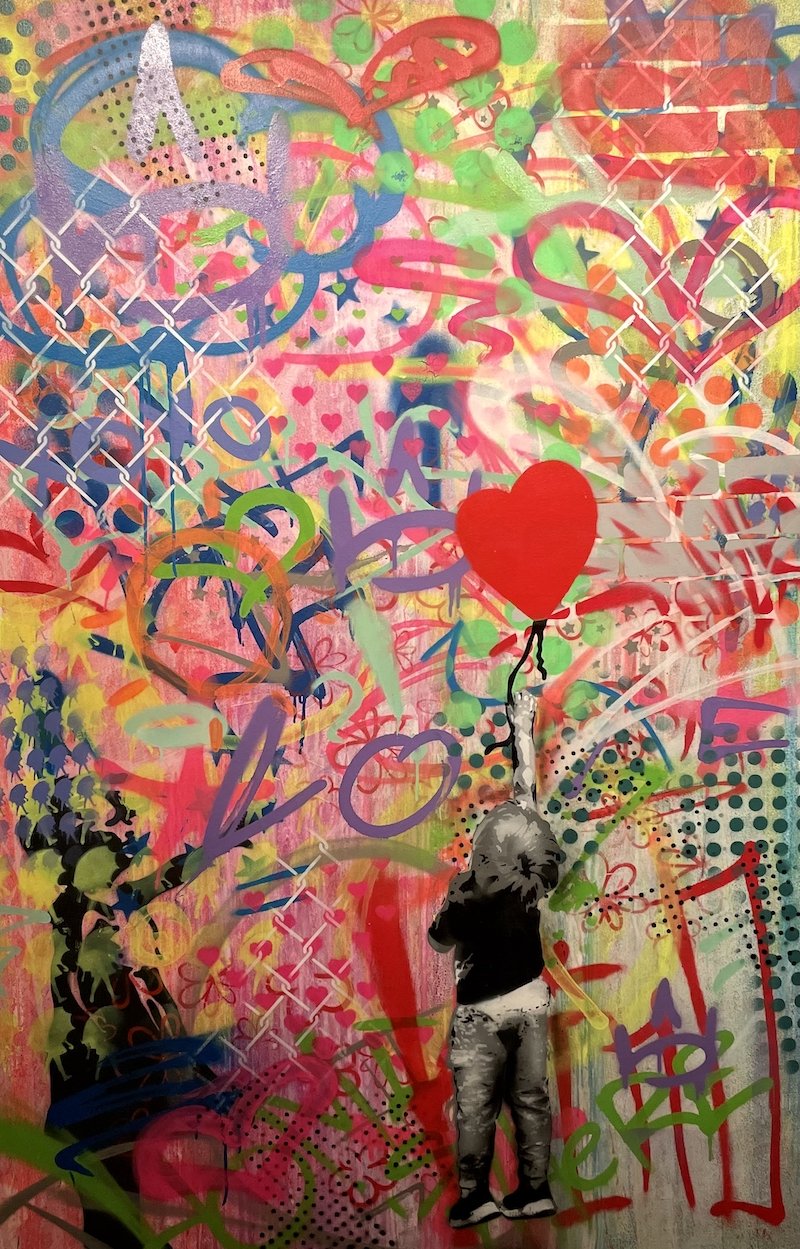

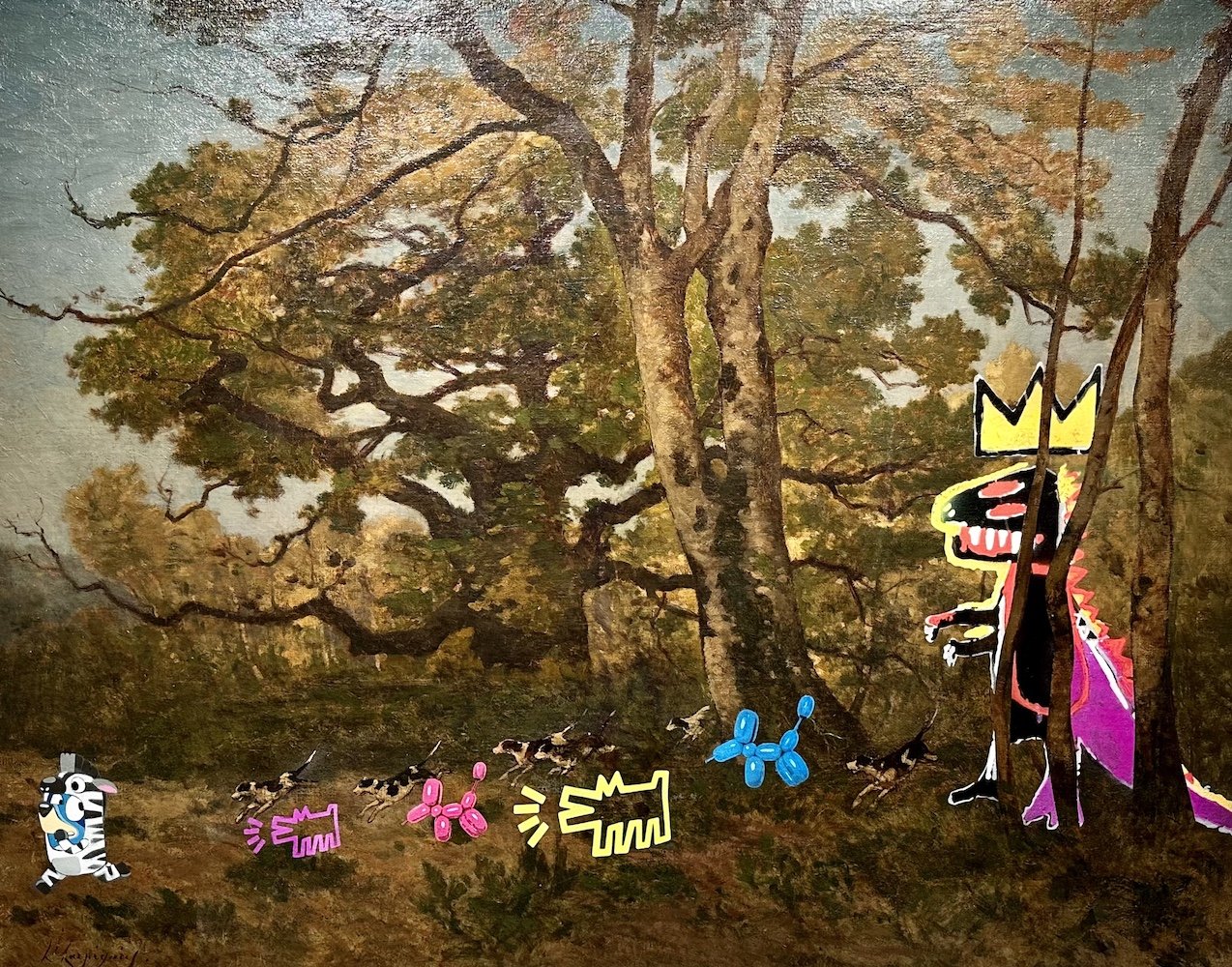
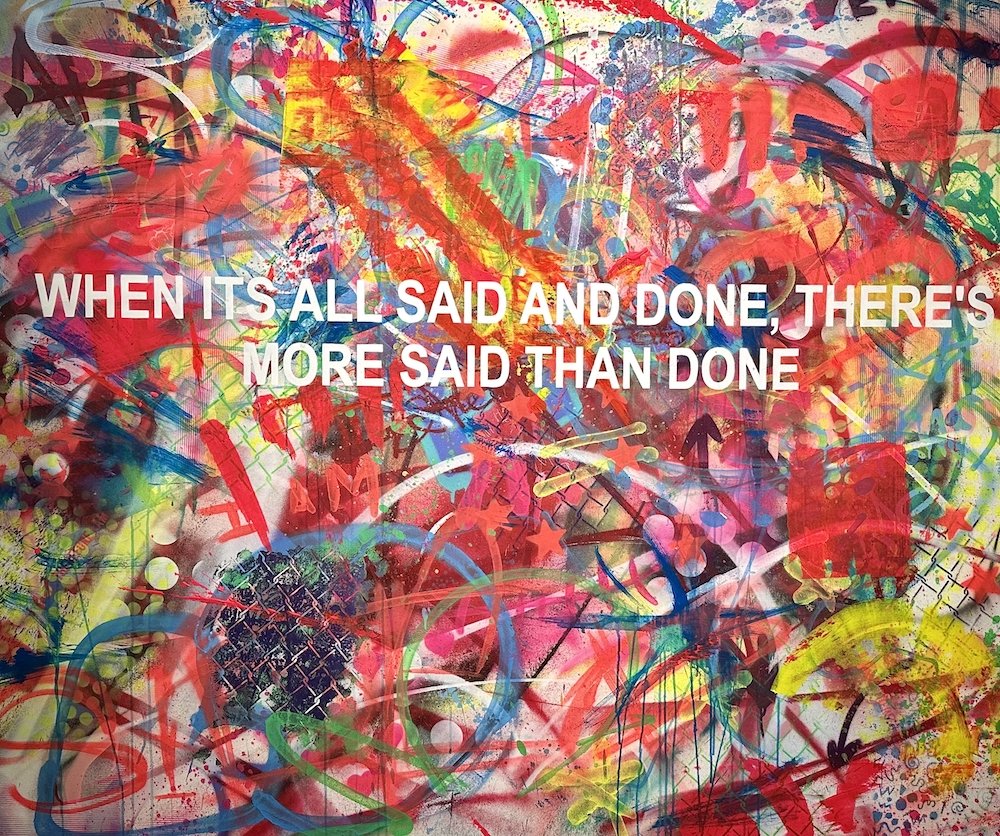
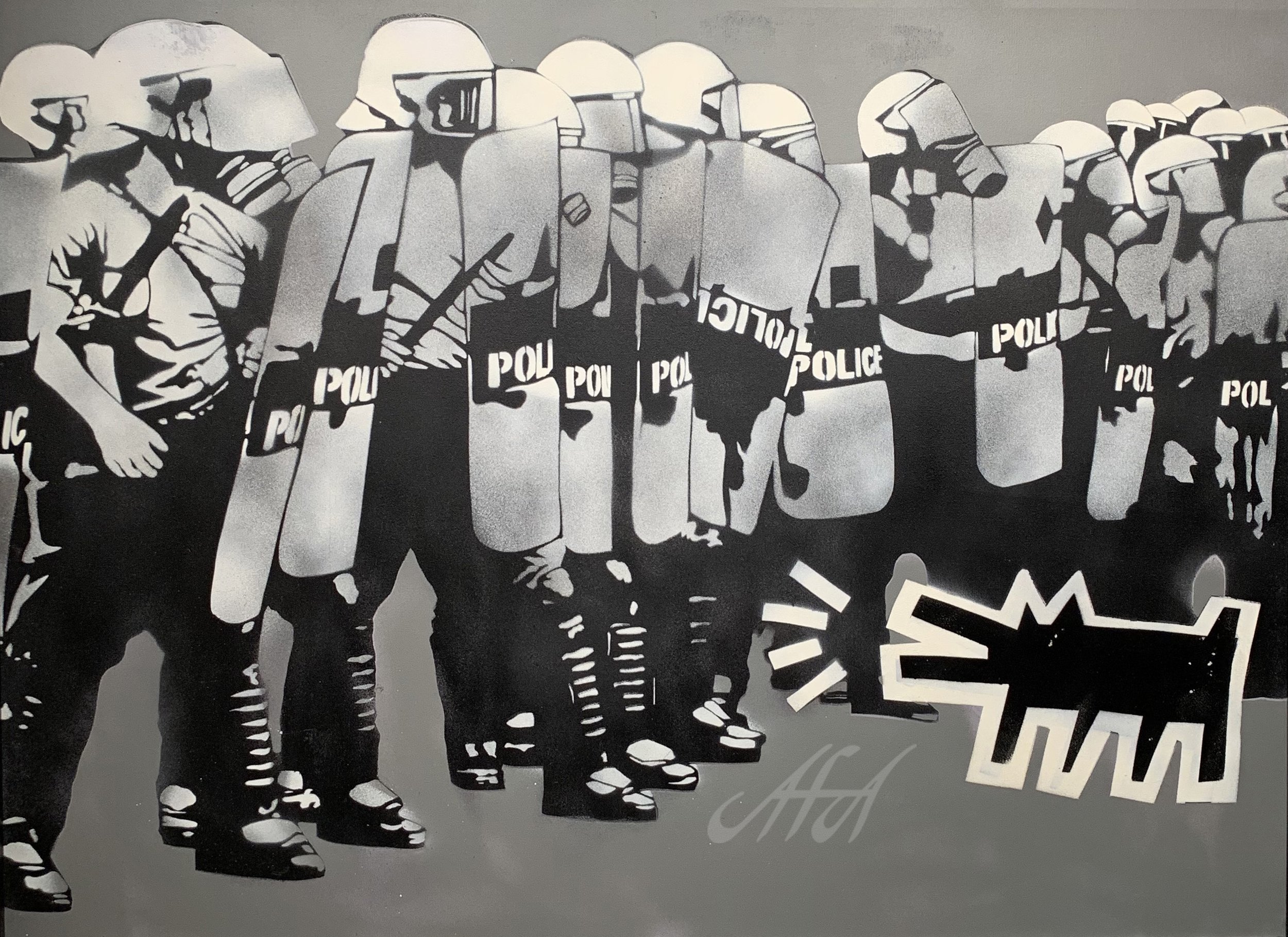
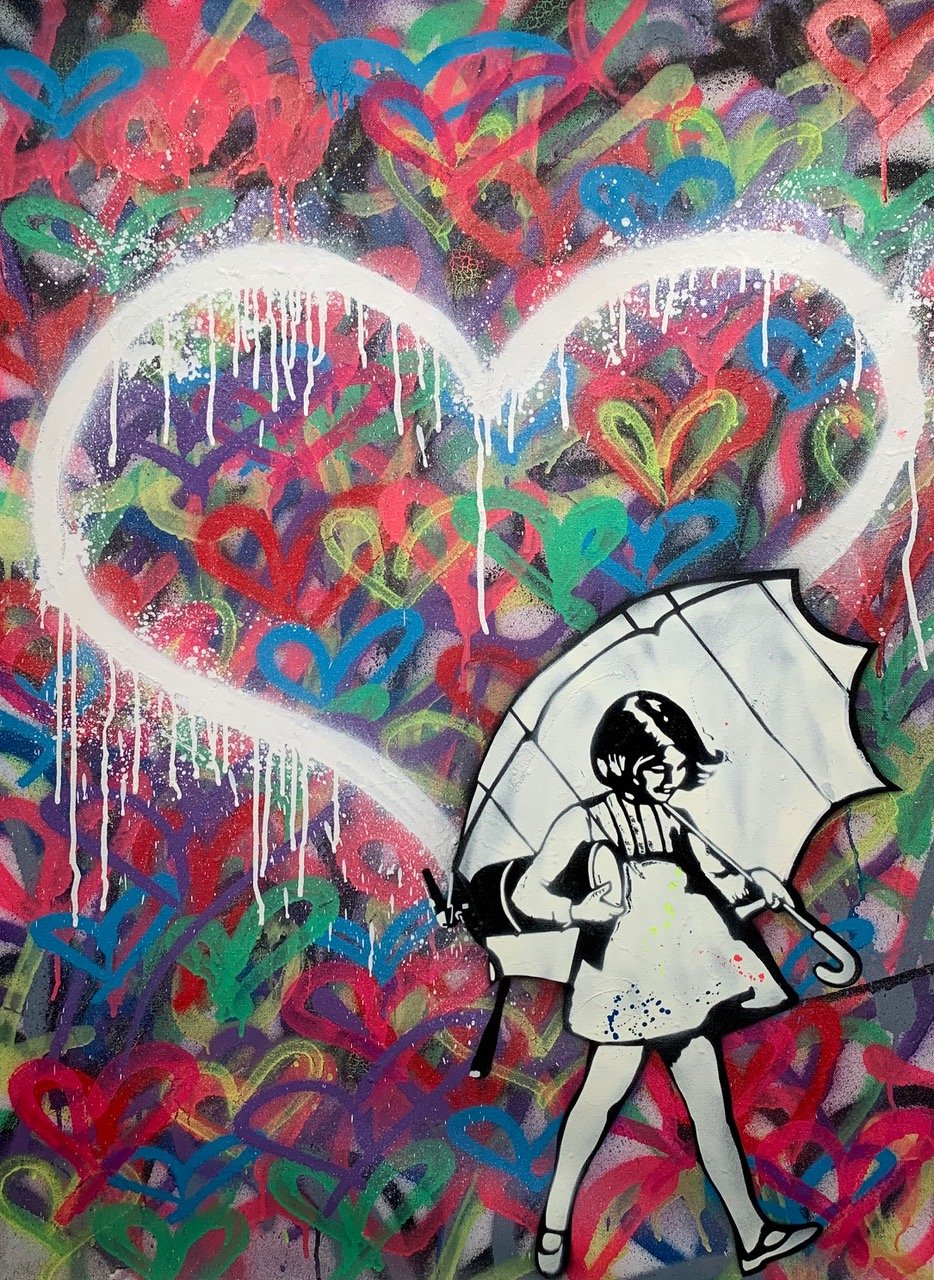
World premiere of AtZ : Out of the Box unveils the first catalogue raisonné and book on the infamous street artist AtZ. Featuring never-before-seen insights into the life, background, and story of the artist one can see the whole picture from A to Z. This massive, almost five-hundred-page, book will be unveiled to the public on March 7th spotlighting AtZ on the world stage.
Adorning the 12,000 square-foot gallery in Old Town Scottsdale’s Arts District at American Fine Art will be AtZ masterpieces with special collections ranging from “Director’s Cut” to some of AtZ’s surprises on the old-world masters that must be seen to be believed. Hundreds of exceptional AtZ paintings will transform the gallery of international masters into a street art paradise even receiving the blessing of CornBread, the world’s first graffiti artist- tagger, who has also tagged the walls of the gallery. Every era, icon, and style that AtZ works in will be seen, leaving viewers with a unique feeling of awe, happiness, and usually a smile, unlike any other artist in the world. AtZ has reached the world stage and is here to stay.
AtZ is one of only a handful of promising artists that American Fine Art chose to represent believing they were bound for greatness and today they join the most popular artists in the gallery’s storied history. AtZ has mastered the ability to transform common imagery into meaningful and introspective pieces. AtZ works predominantly in acrylics, spray paint, and stencils. Having had no formal training, he looks to his predecessors in the world of street art like Crash, Banksy, and Cornbread, as well as the Pop Art Masters including Warhol and Basquiat. Like these earlier masters, AtZ has developed a signature visual language that is at once identifiable as AtZ.
Miro & Dali: Inventing Surrealism
This exhibition showcases a complete look at the development of Surrealism through the lens of arguably the most renowned masters of Surrealism: Joan Miro & Salvador Dali. Featuring paintings, lithographs, etchings, aquatints, and sculpture by these internationally acclaimed masters in a range of prices for every collector the collection is like no other. At American Fine Art we strive to offer A World of Fine Art Suitable For Every Lifestyle™ and advise all collectors to buy the best they can afford of what they love!
Opening to the public on February 8, 2024. Miro & Dali Inventing Surrealism will give visitors the opportunity to view hundreds of masterpieces spanning the entire careers of these Spanish artists and add their chosen works to their art collection. This spectacular collection will transport you into the Surrealistic vision of Dali and Miro leaving all who encounter it inspired.
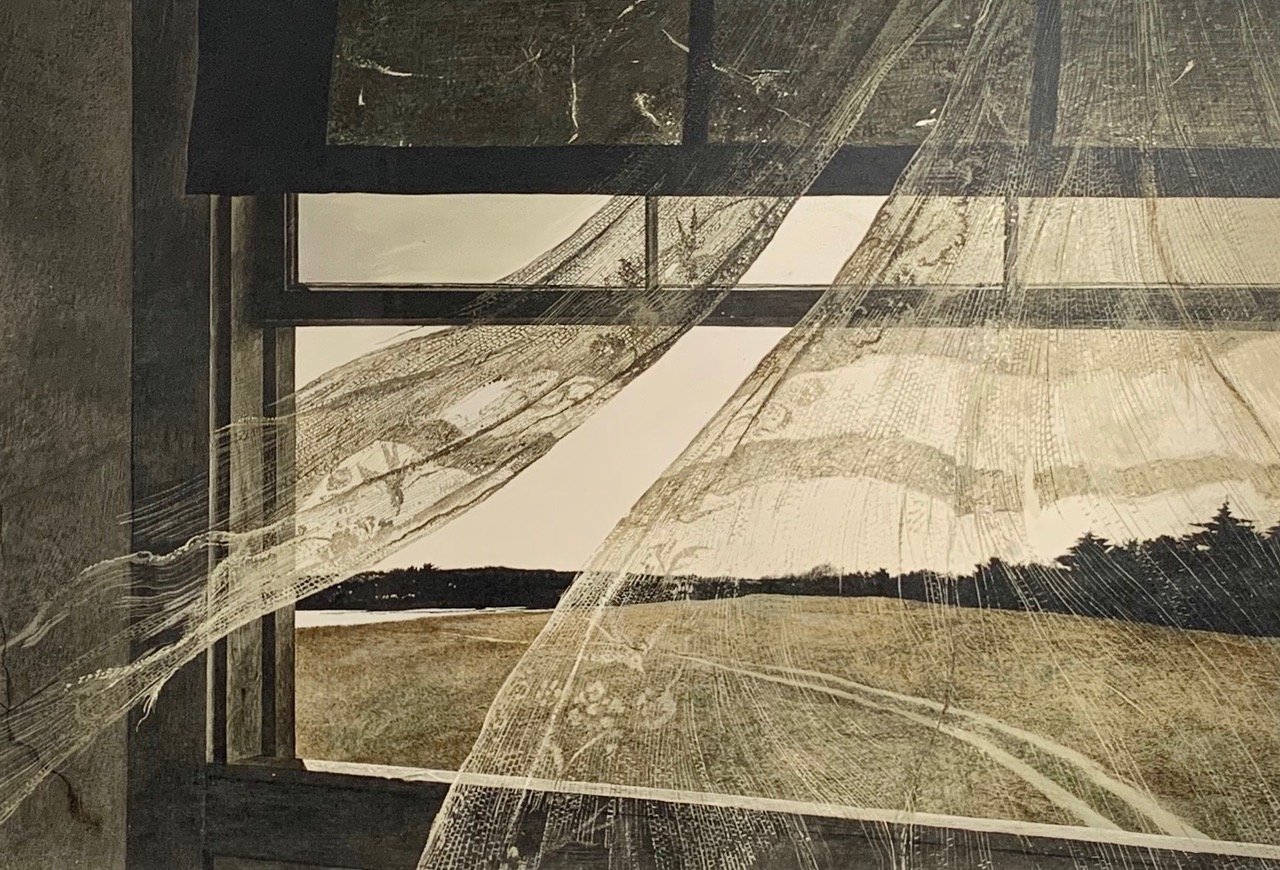
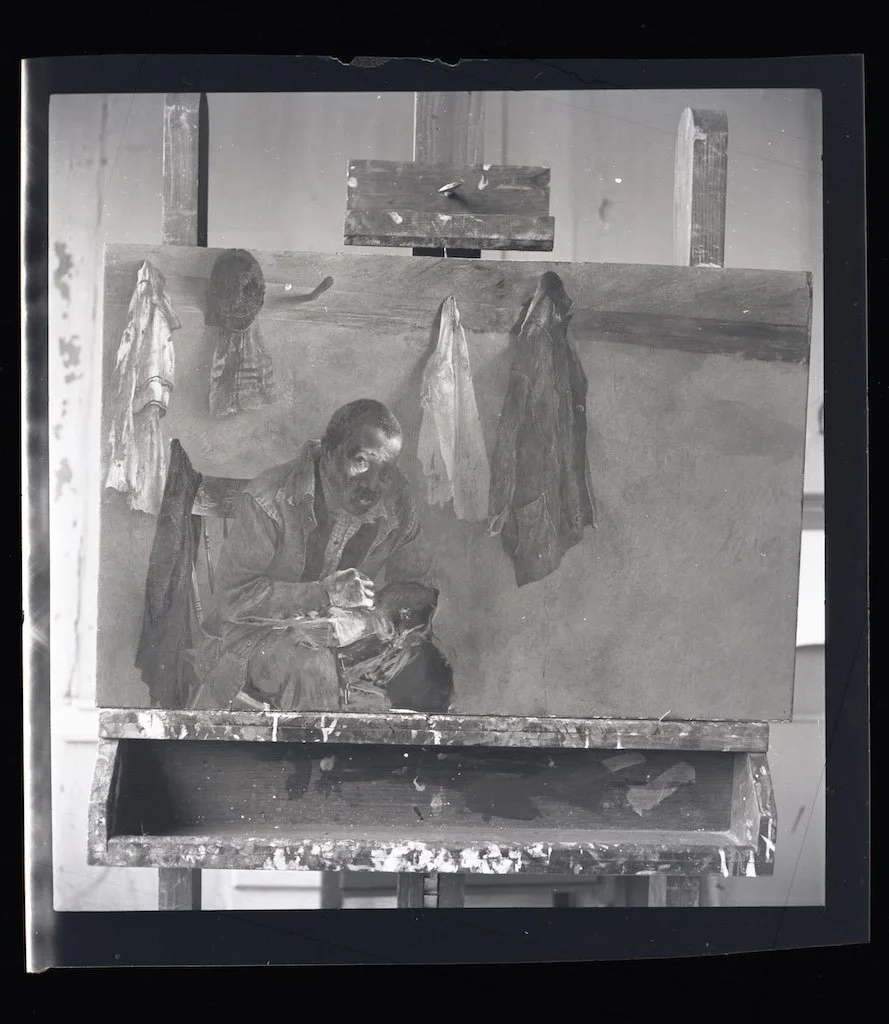
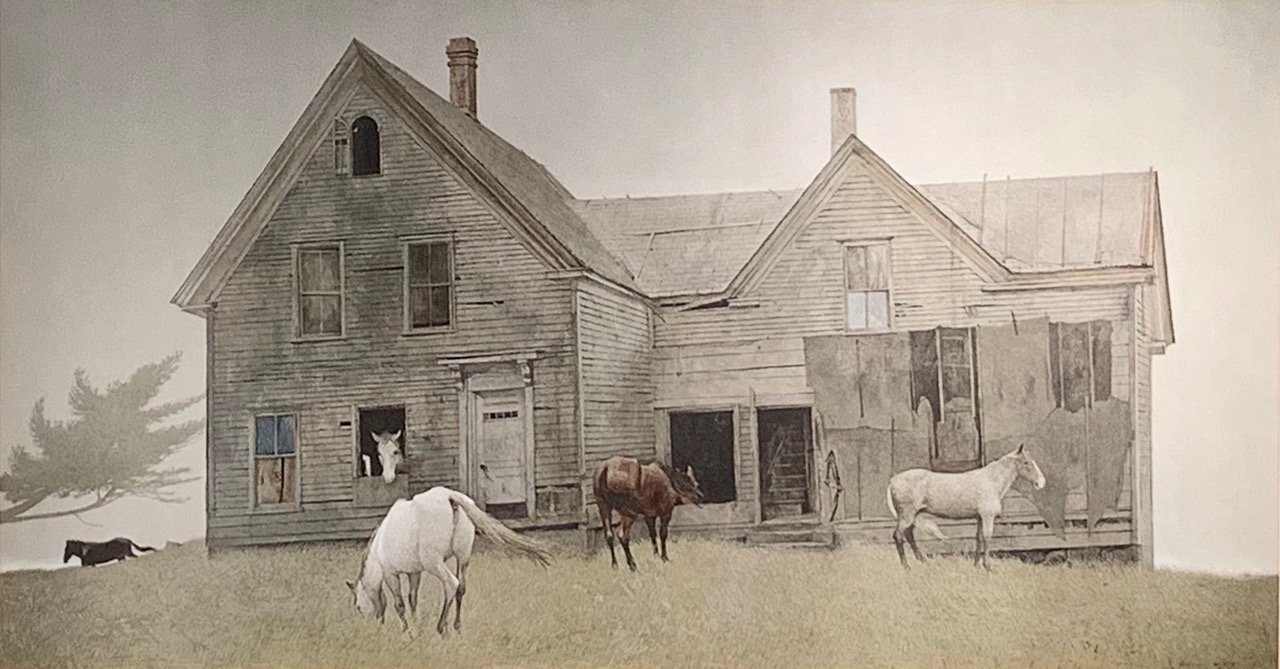
Andrew Wyeth: Uncovered
A look into the unseen world of the Wyeth Family.
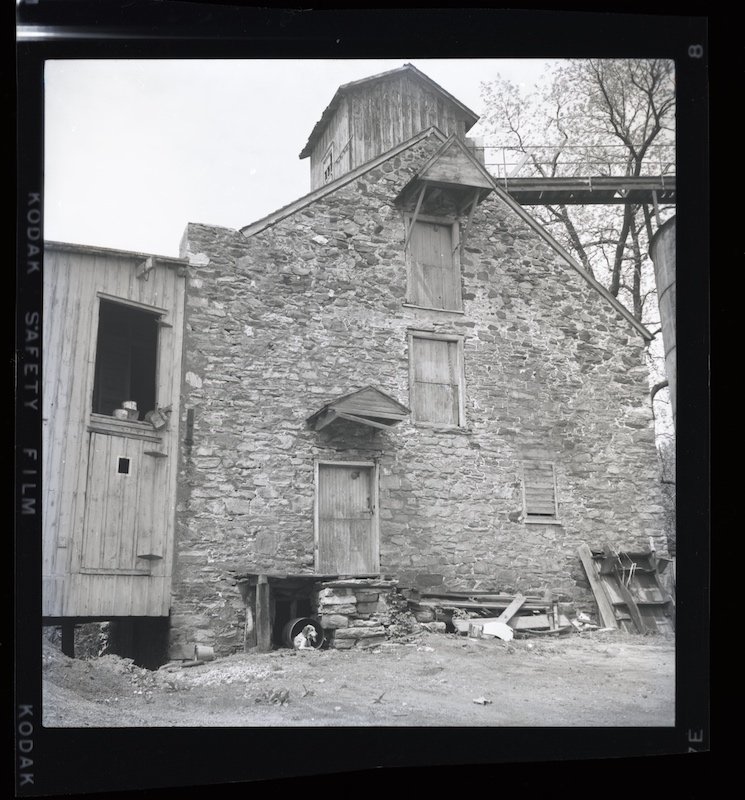
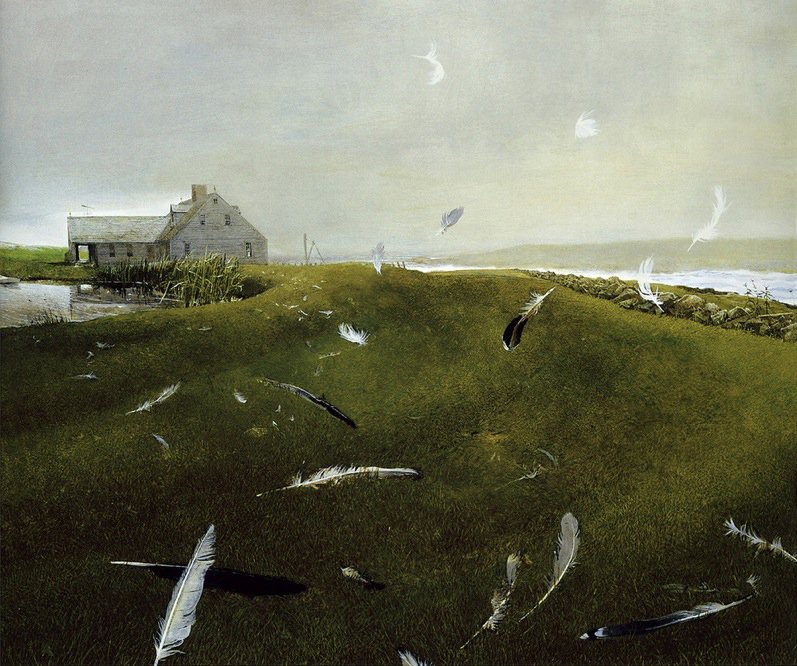
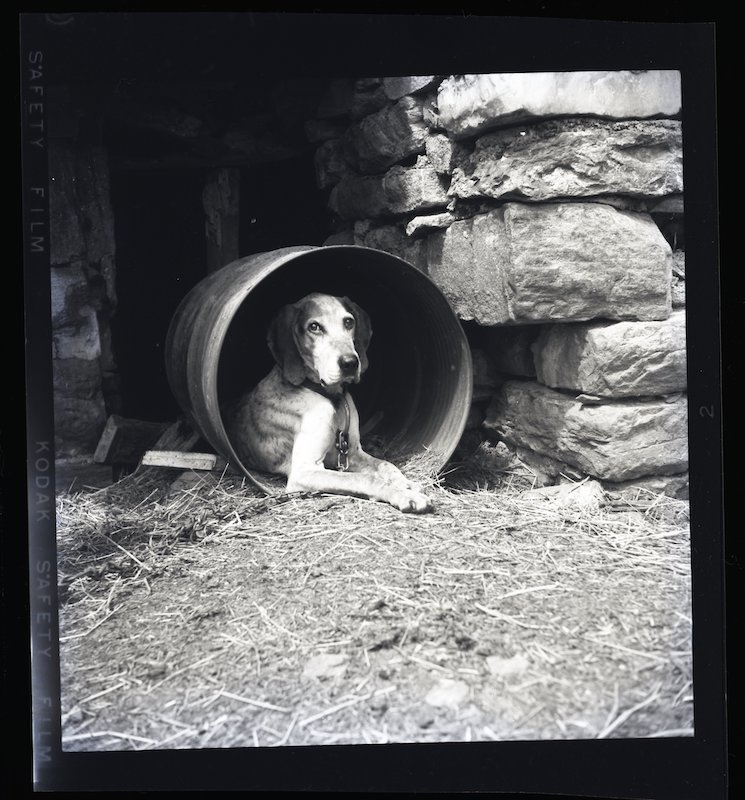
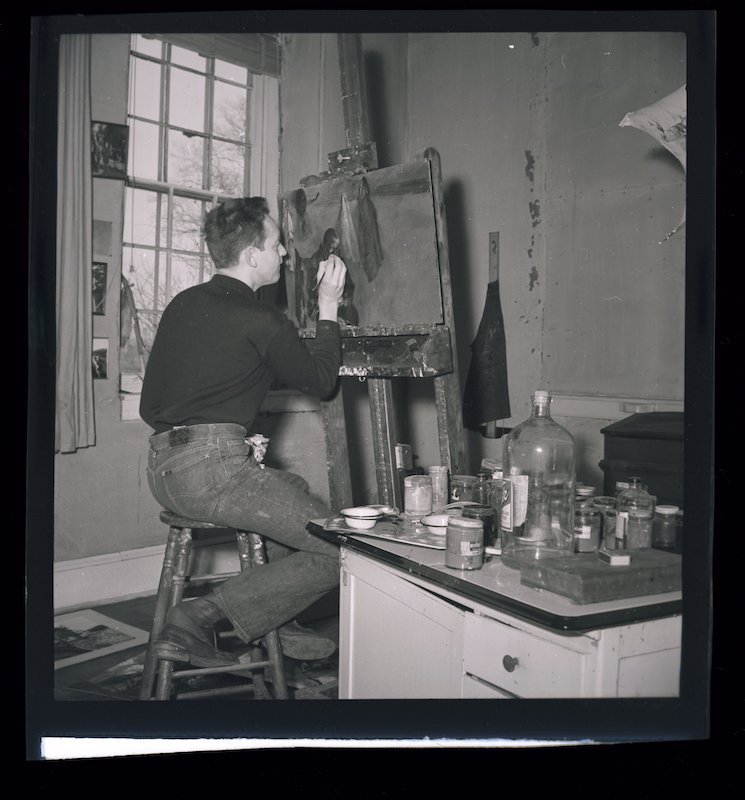
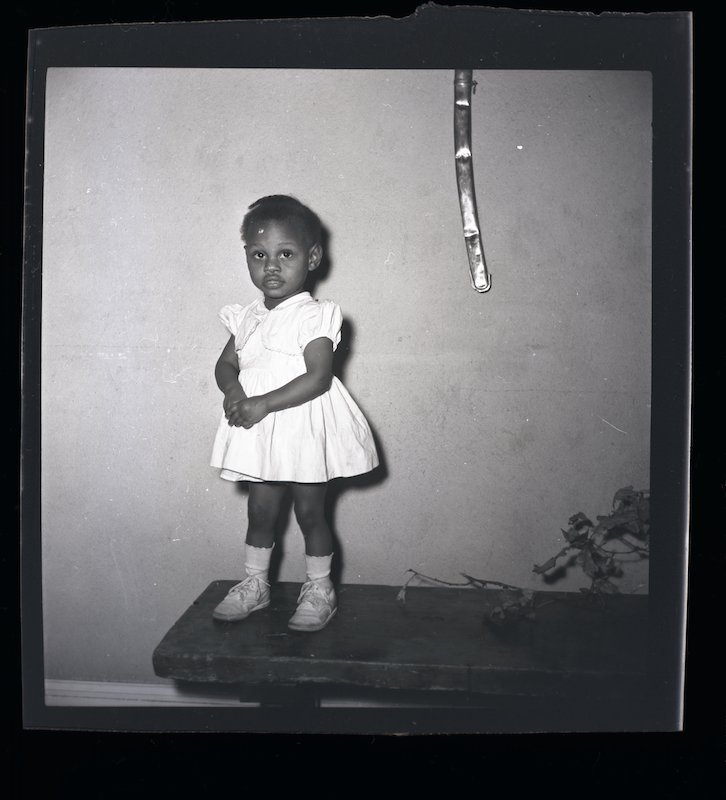
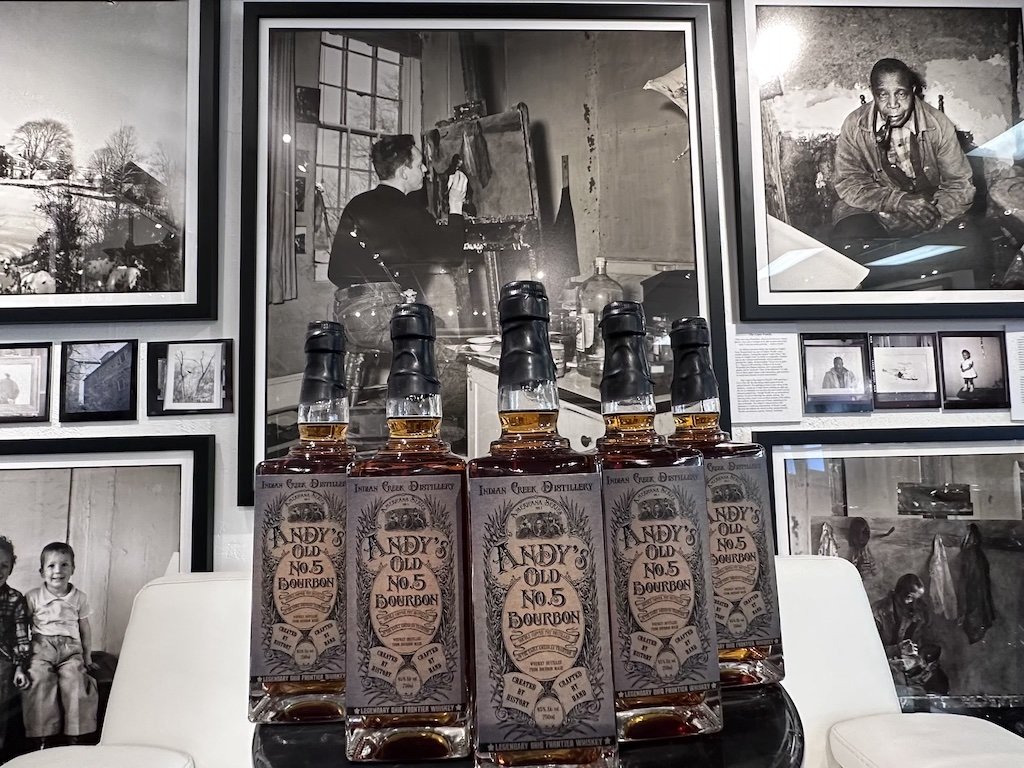
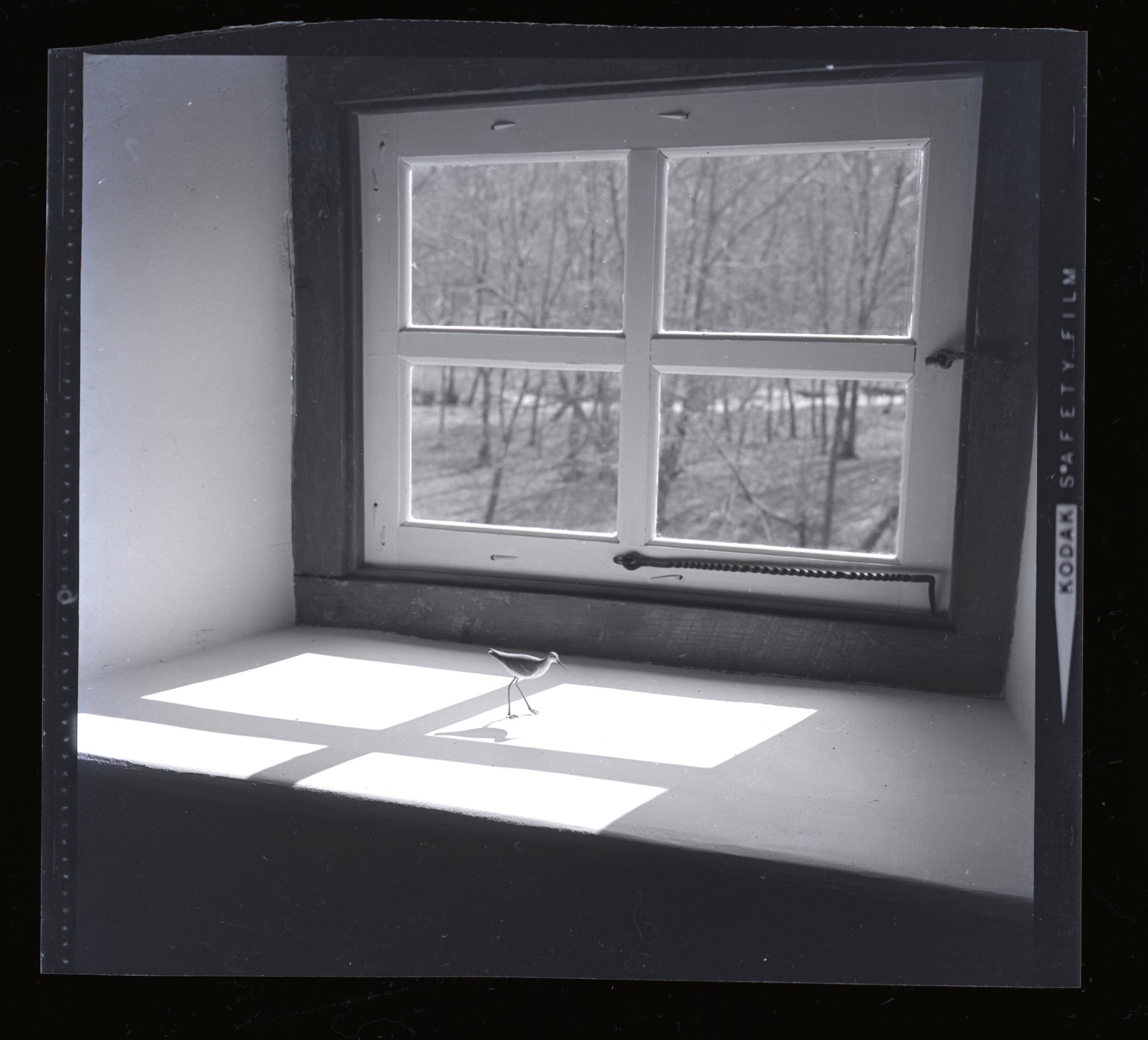
Open to the public on November 9th, 2023, Andrew Wyeth: Uncovered features an intimate look into the life and surroundings of one of America’s greatest painters through the lens of Newton O. Belt, a hobbyist photographer, artist, and neighbor of the Wyeth’s. Mr. Belt was inspired to be an artist directly by Andrew Wyeth himself. The collection of black and white images dates from the 1950s and has never before been seen by the public. Over a hundred black and white negatives over seventy years old were carefully processed and printed, saving a piece of history. This rare opportunity allows the public to see photos of Wyeth’s family including Jamie Wyeth and John W. McCoy, as well as photos of the surroundings of his home in Pennsylvania where many of his most famous paintings derived.
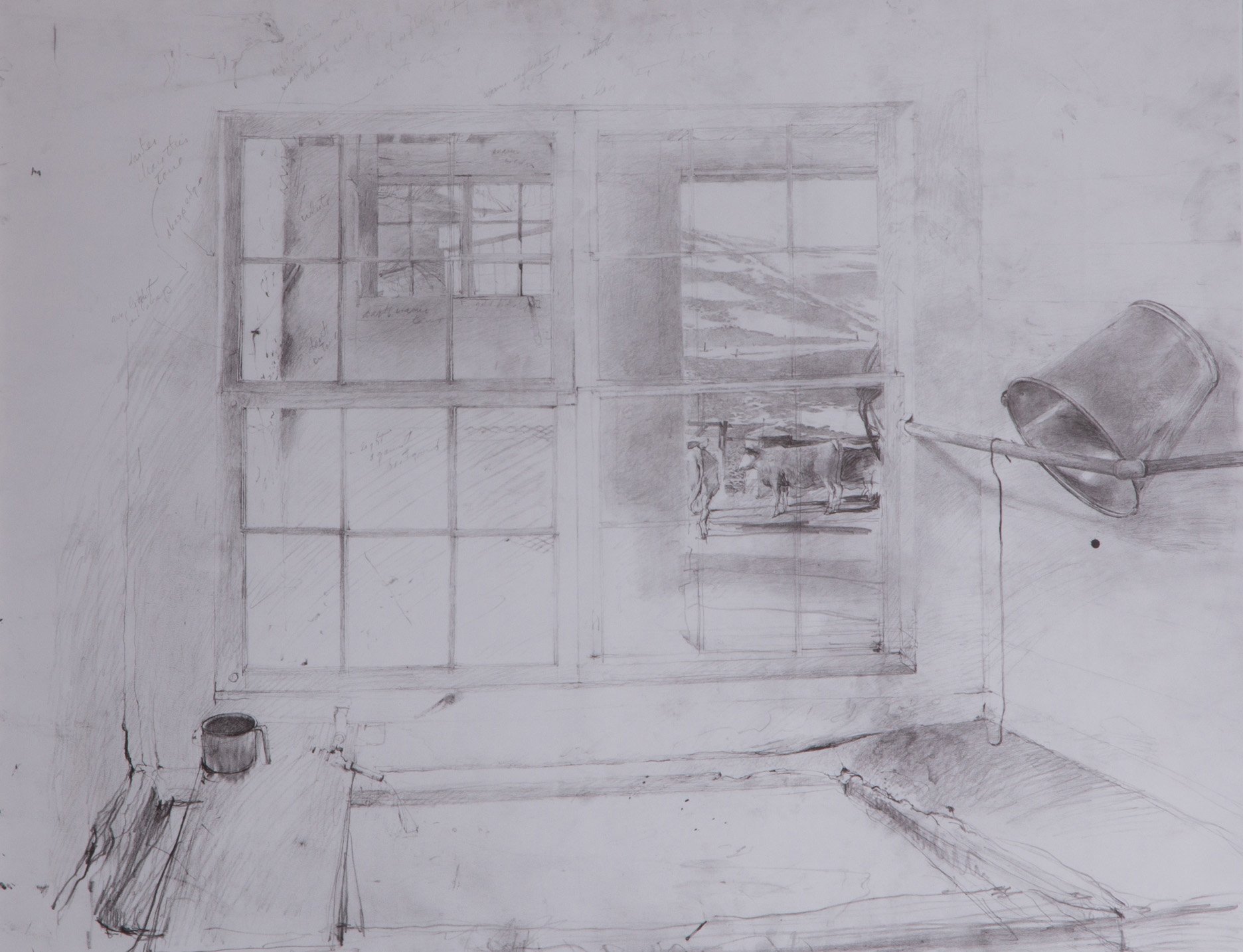
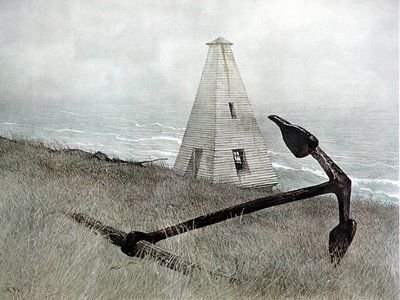
Many of Wyeth's subjects were neighbors and locals in his surrounding area, as he generally kept close to home. Perhaps some of the most important works from the collection are the photos of his paintings and portraits of H.F. Dupont, Ben Loper, & Crawford Greenwalt, one of the major members of the Manhattan Project. Along with this fantastic collection of photography, the show features over 70 works by Andrew Wyeth in every medium he worked in. Andrew Wyeth (1917-2009) was one of the most popular artists of the twentieth century. He was one of the finest American Scene painters, applauded for his realism in portraiture and life in the country, using radical accuracy and detail. A remarkable aspect of Wyeth’s work is that much of it was from memory and imagination, which is unheard of by most Realist artists, who usually study photographs. His art is recognizable aesthetically through his celebration of the simple life of rural America, his distinctive color palette, and often, the effect of solitude. Wyeth’s work is widely recognized for the quality of realism and detail, often in moody pastorals. Wyeth garnered major acclaim with his painting, Christina's World, featuring a friend and neighbor sitting in a sprawling landscape purchased by the Museum of Modern Art in New York from the artist for $1,800 in 1948. A controversial purchase at the time, the painting has since become iconic for the museum, artist, and a cornerstone of American art.
People appreciate Wyeth’s vivid landscapes, portraiture, and his fusions of the two. He was a master of various mediums including charcoal, watercolor, dry brush, tempera, and many others. Among the legion of books on his life and work are, The Helga Pictures (1987), Andrew Wyeth: Autobiography (1995), and Andrew Wyeth: Memory & Magic (2005). Wyeth’s art had some of the highest prices ever paid for a living American artist. Now Andrew Wyeth is considered one of the most influential American painters, along with Jackson Pollock, Jasper Johns, Edward Hopper, Georgia O'Keeffe, Winslow Homer, and a few others. His pieces continue to be exhibited and purchased worldwide.
Marc chagall:
What men have forgotten, stones will remember
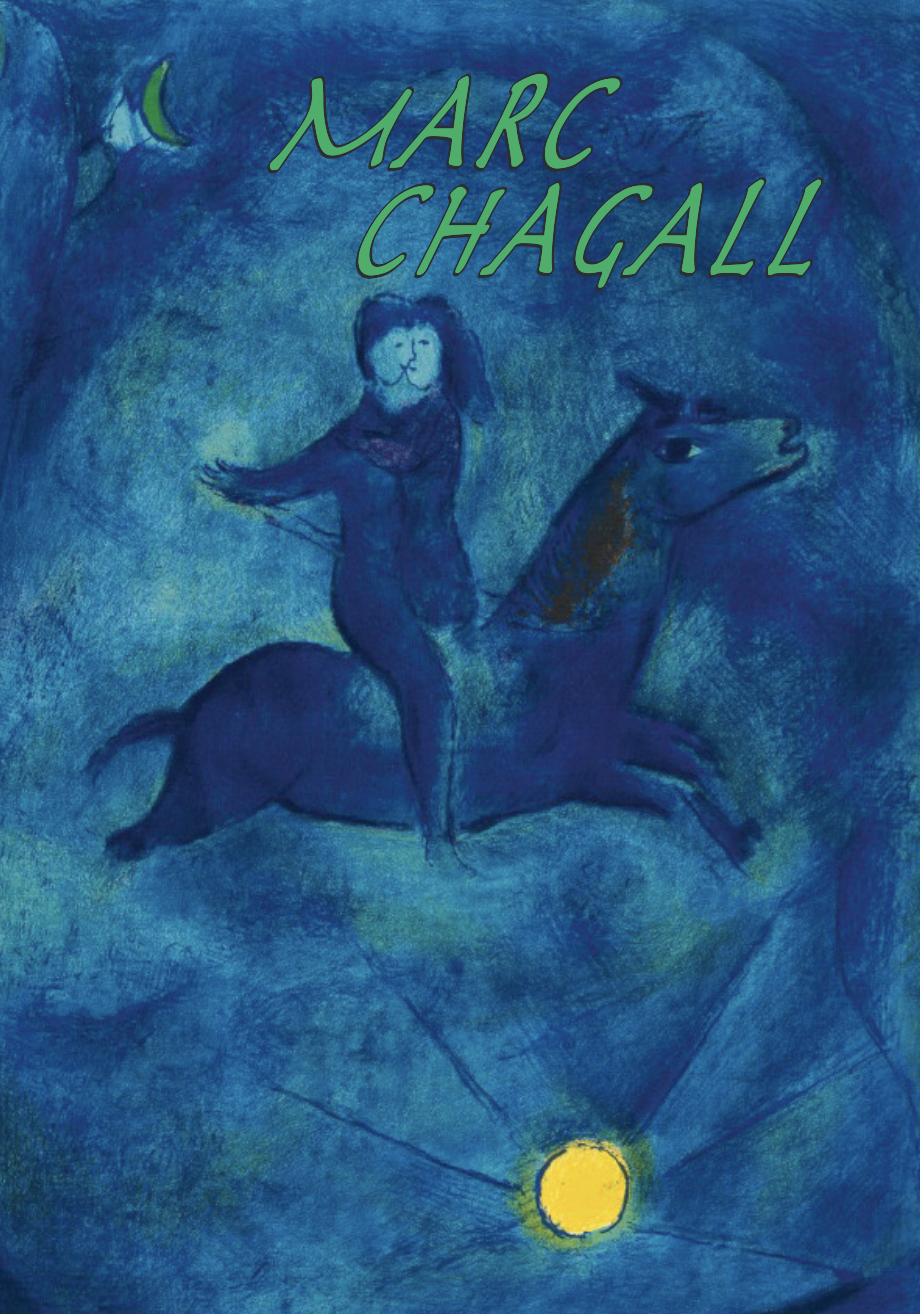
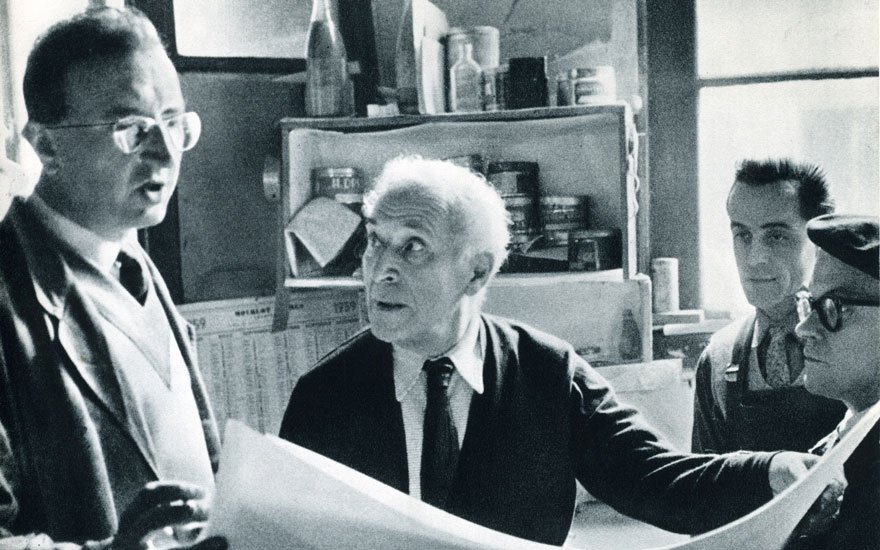
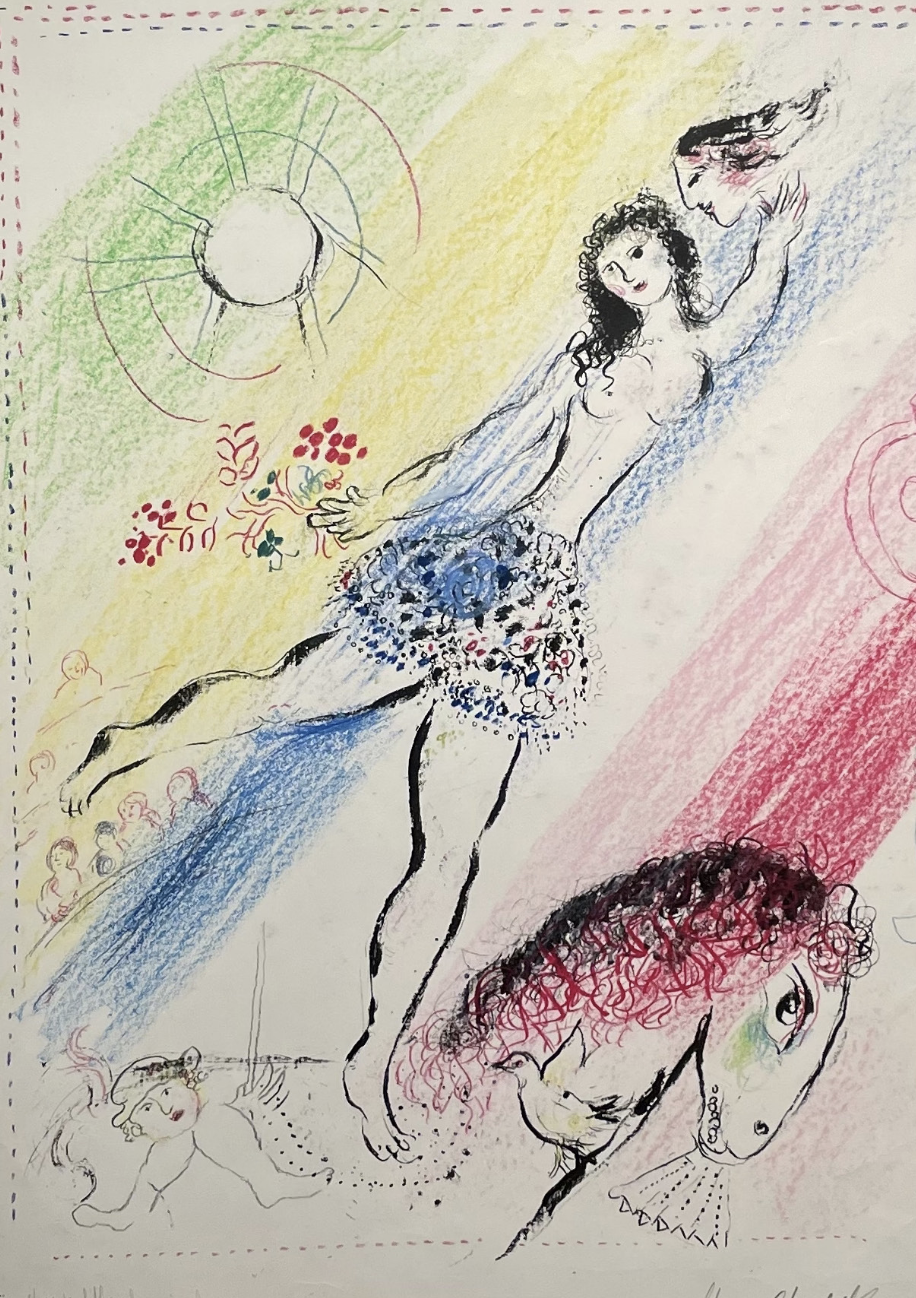
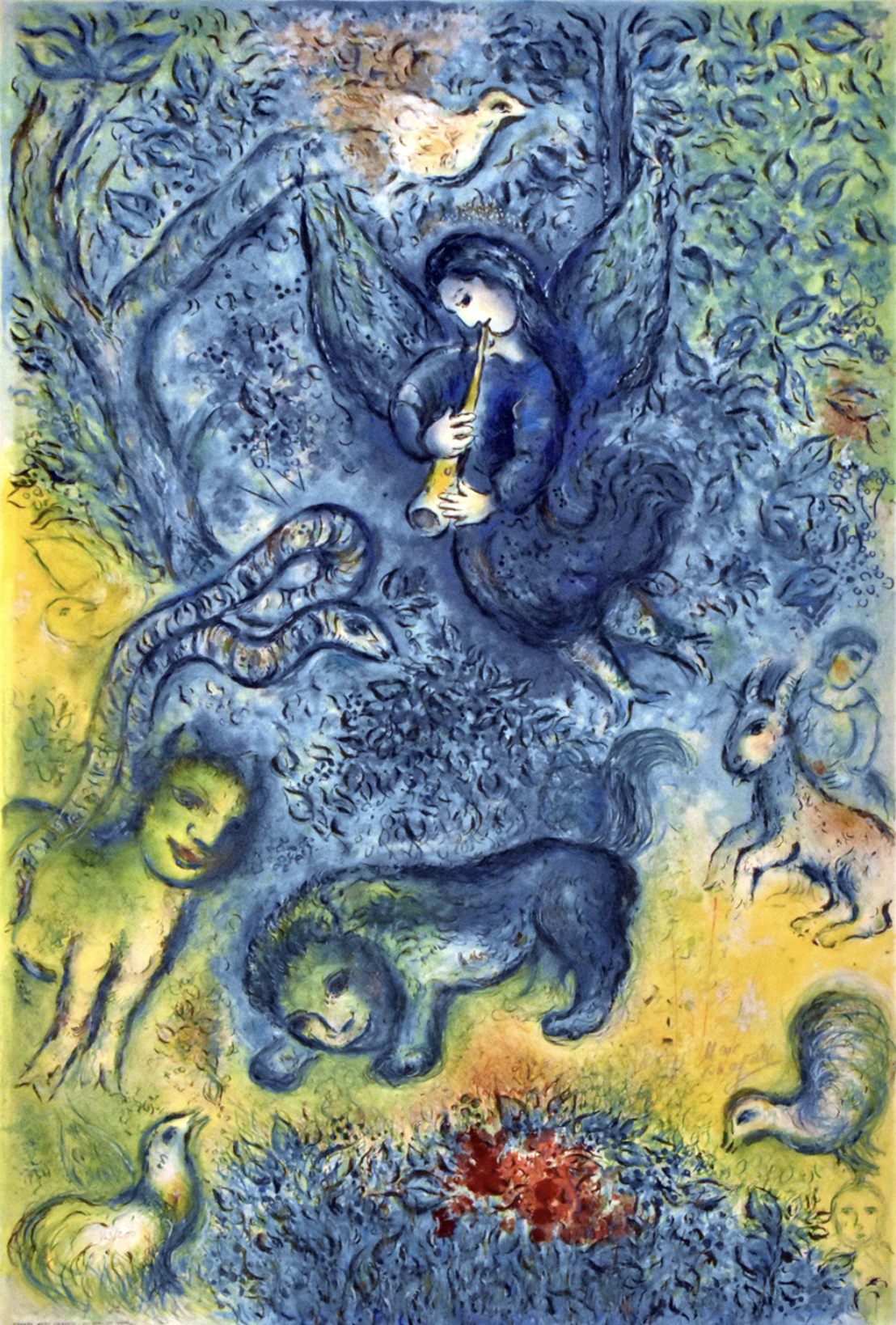
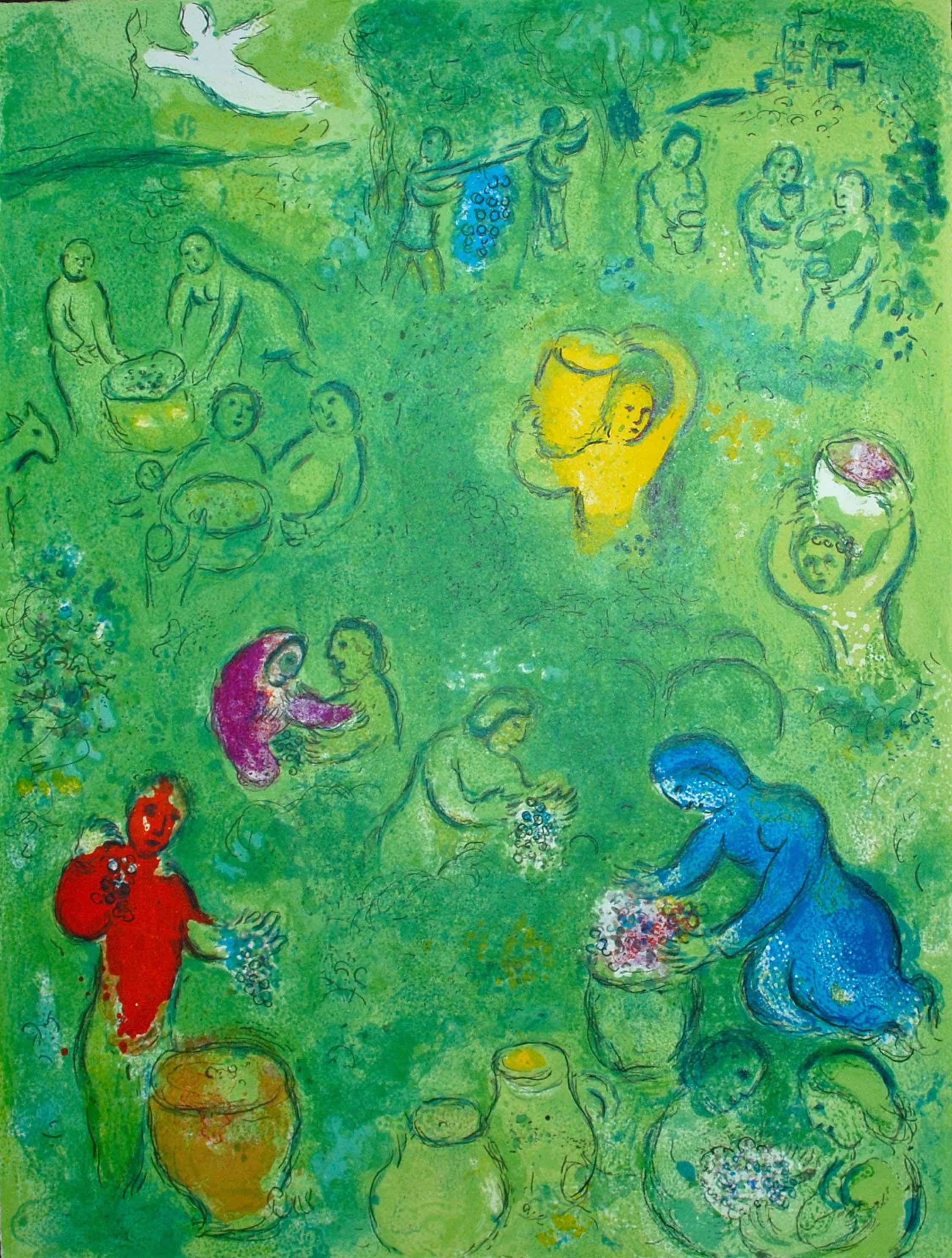
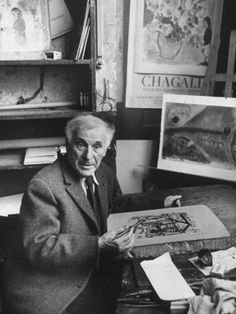
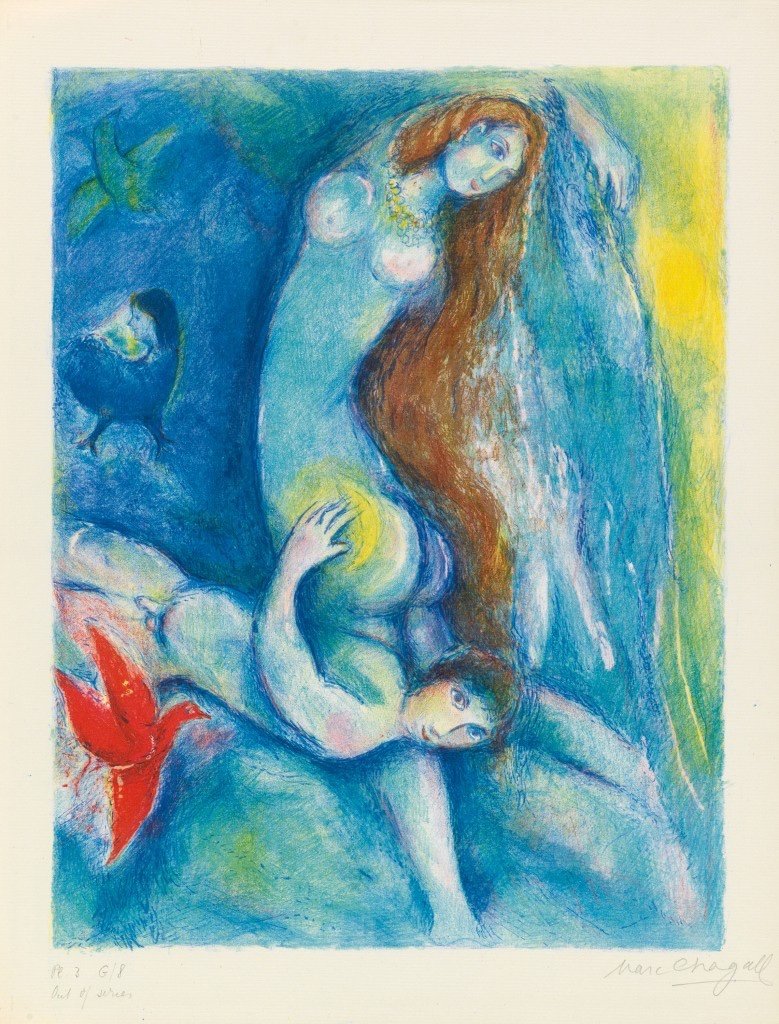
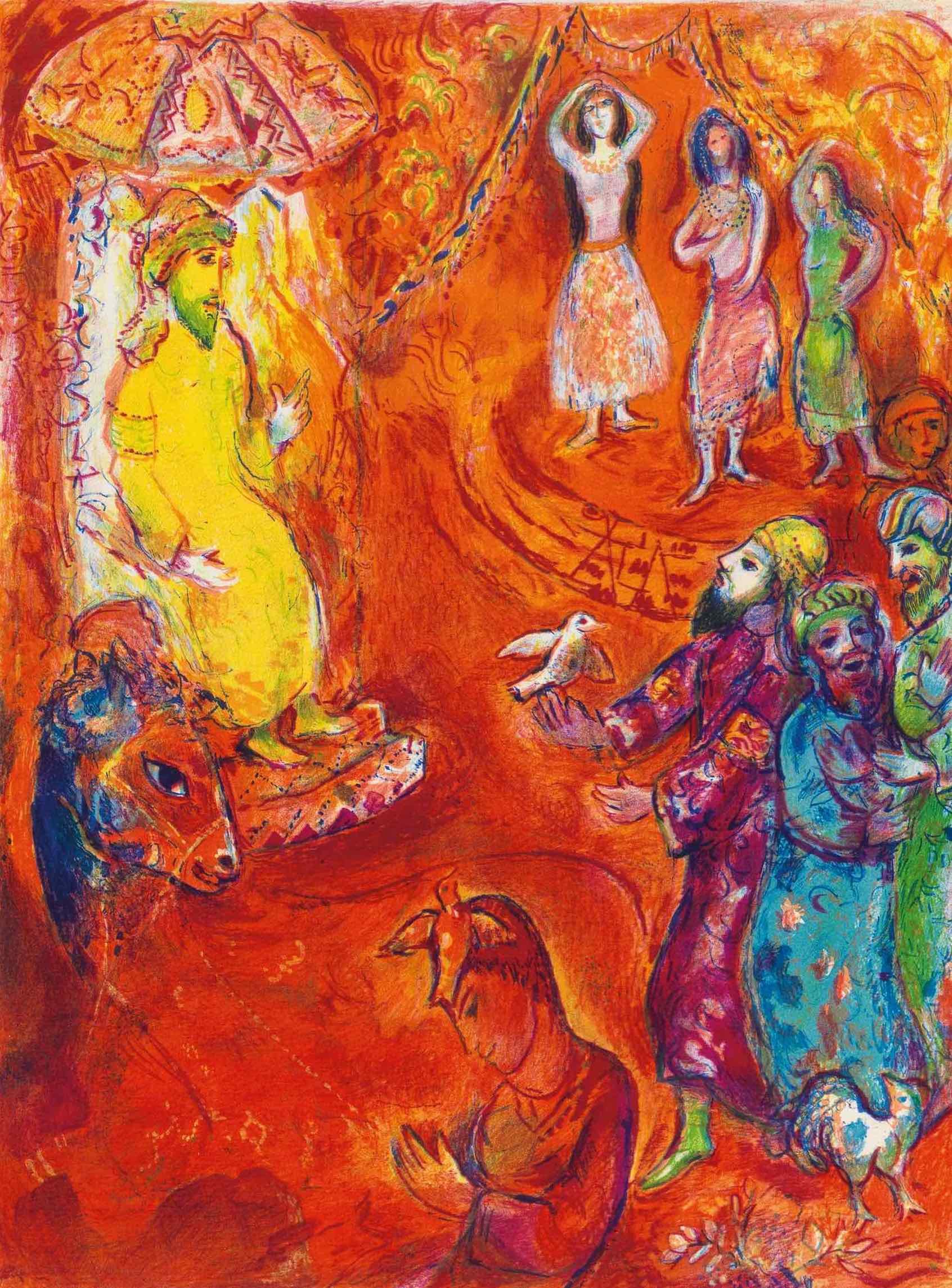
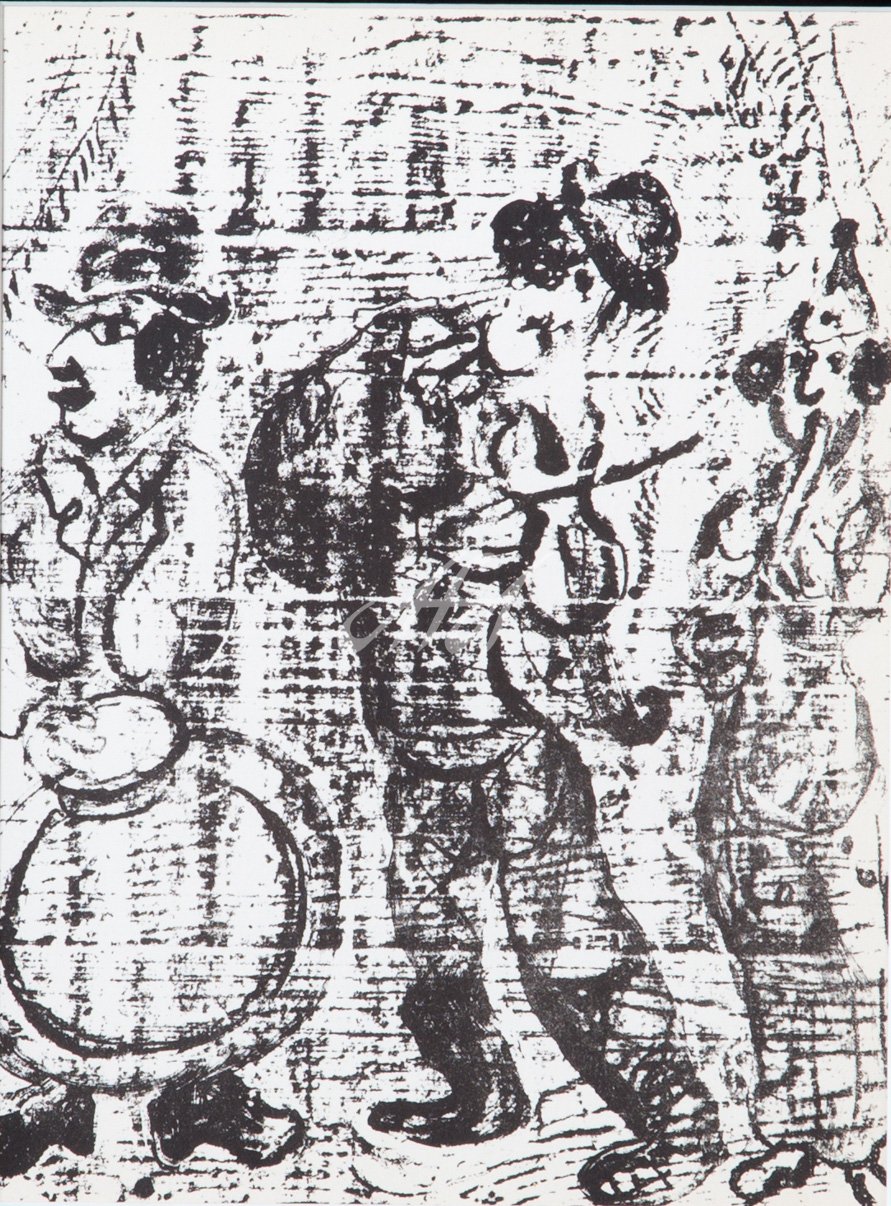
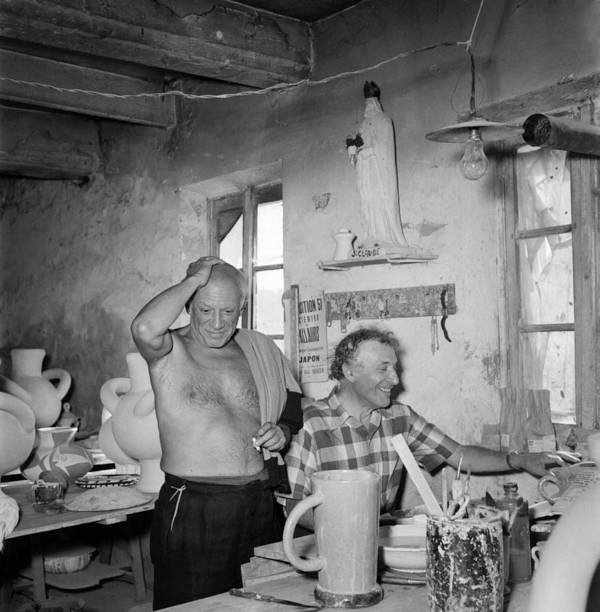
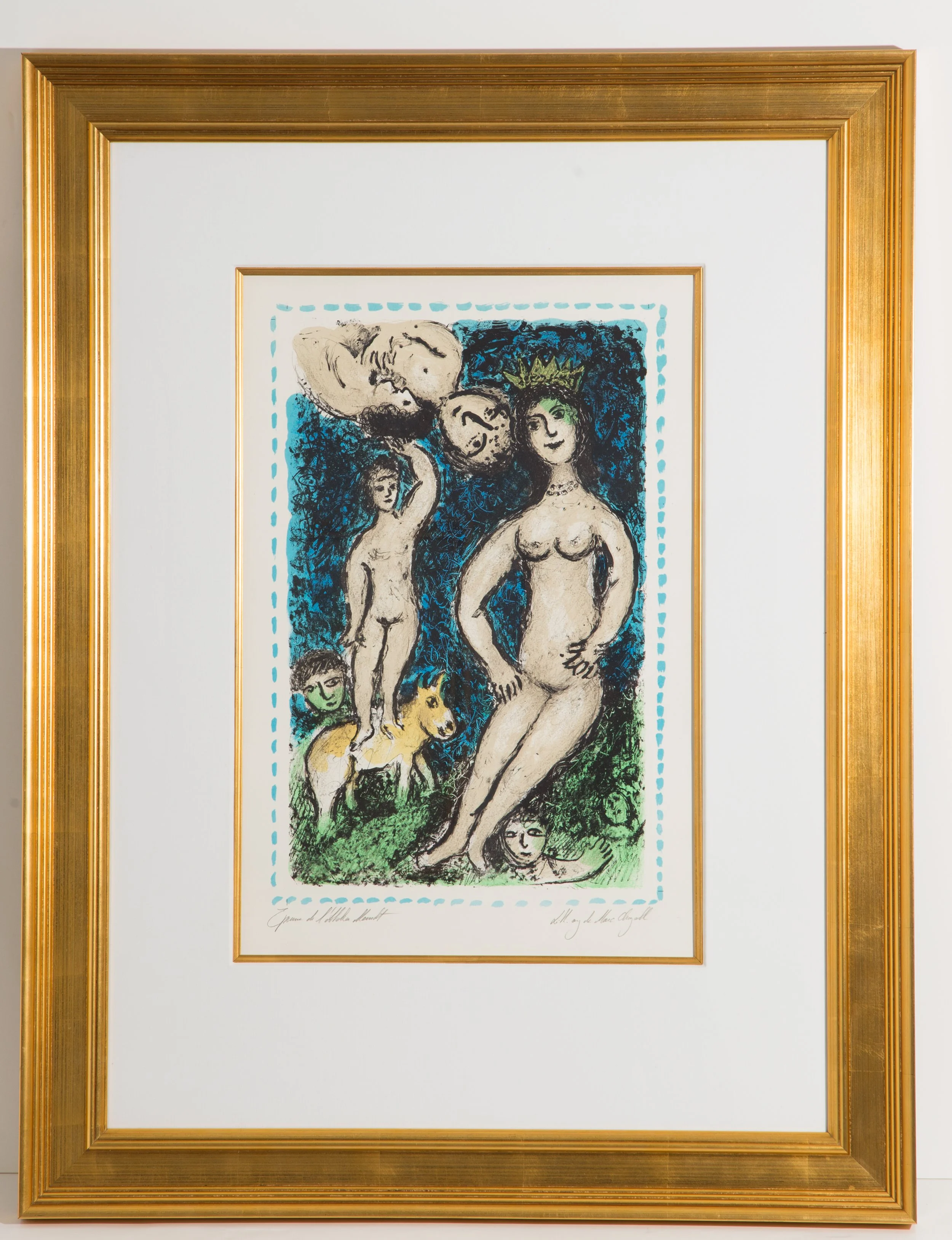

In an age of constant change, Marc Chagall's single vision was a breath of fresh air. For all the styles and movements, rarely does a single artist defy comparison, fit no mold, and standalone like Marc Chagall. Almost every work of art created by the hand of Chagall reads like poetry. All elements infused into his paintings complement one another to create harmonious, lyrical, and balanced compositions. He worked in practically every medium; he made paintings, illustrations, etchings, glasswork, ceramics, tapestries, and more. Chagall’s artworks, regardless of the media, are filled with the everlasting essence of life. He was both a pioneer of modern art and a major figure in Jewish art. Robert Hughes called him “the quintessential Jewish artist of the 20th century.” One of Chagall’s common themes is love as seen via the romantic love in the Daphnis & Chloe suite, brotherly love in his Bible suite, and his Lovers in Paris.
Chagall was renowned for the rich palette of his paintings (before Matisse’s death in 1954, Picasso said that ‘Chagall will [soon] be the only painter left who understands color’). Lithography offered him the chance to show that same richness in prints, investing the images with a sense of magic that is integral to his visual storytelling.
‘With Chagall, nothing is quite as we expect it's going to be,’ wrote Sorlier in 1974. ‘He has the rare ability to start each morning afresh. For him, each day is the first day, each flower the most brilliant, each fruit the sweetest… With every stone, lithography is born again… I have had the rare privilege of seeing Chagall at work, and it cannot be denied that, at times, it seems as if an angel has entered the workshop.’
As he himself said in the 1960s, ‘Something would have been lacking in my life if… I had not at a certain stage become involved in engraving and lithography… Each time I had a lithographic stone or a copper plate in my hands, I felt that I was touching a talisman to which I could entrust all my sorrows and all my joys.’
American Fine Art, Inc. is proud to feature the original works and limited editions of Marc Chagall. Visit our 12,000 sq. ft. showroom in Scottsdale, AZ or call today. Our website is offered only as a limited place to browse or refresh your memory and is not a reflection of our current inventory. To learn more about collecting, pricing, value, or any other art information, please contact one of our International Art Consultants. We look forward to giving you the one on one attention you deserve when building your fine art collection. We hope you find our website helpful and look forward to seeing you in Scottsdale soon.
LOWELL NESBITT:
Natures Pleasures
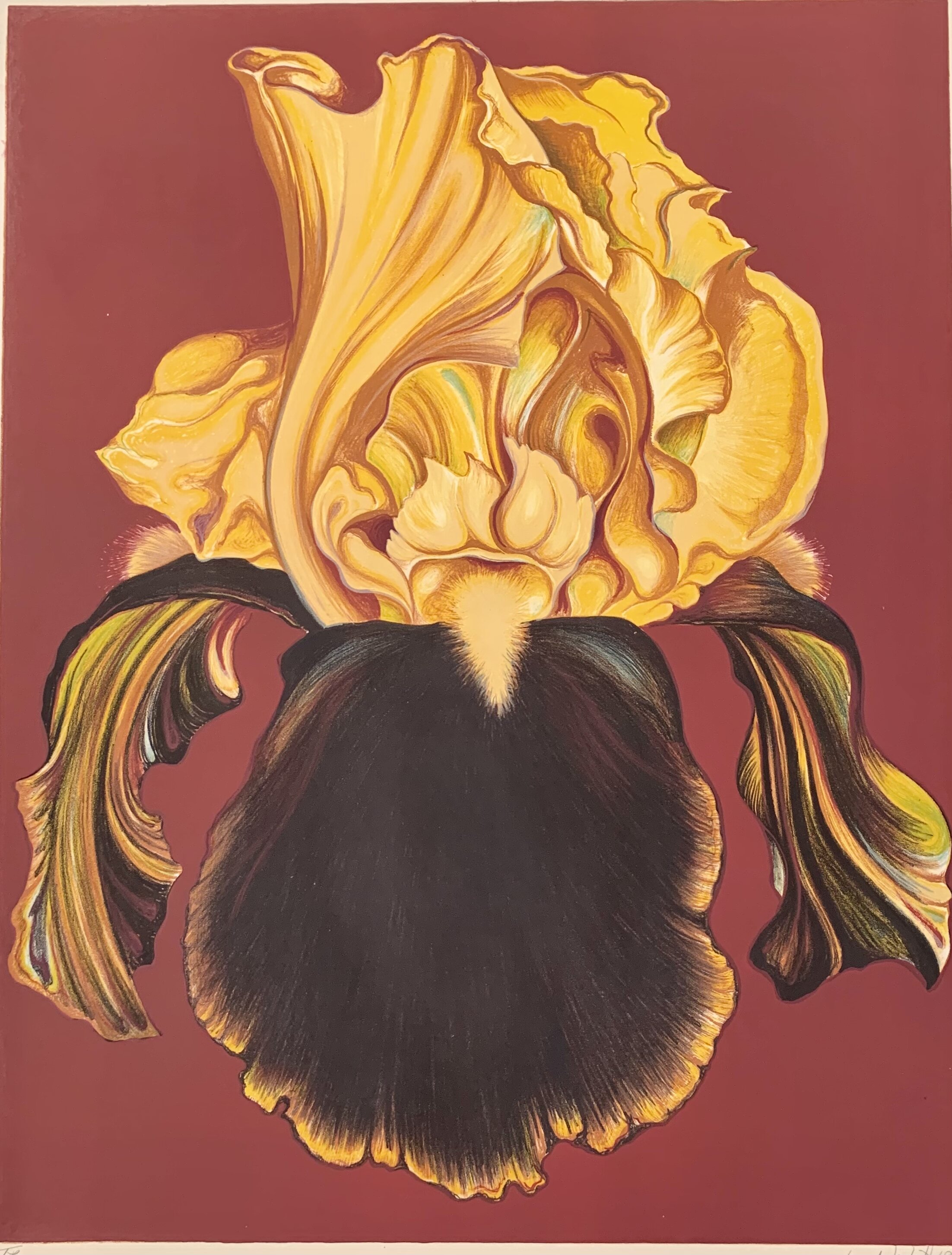

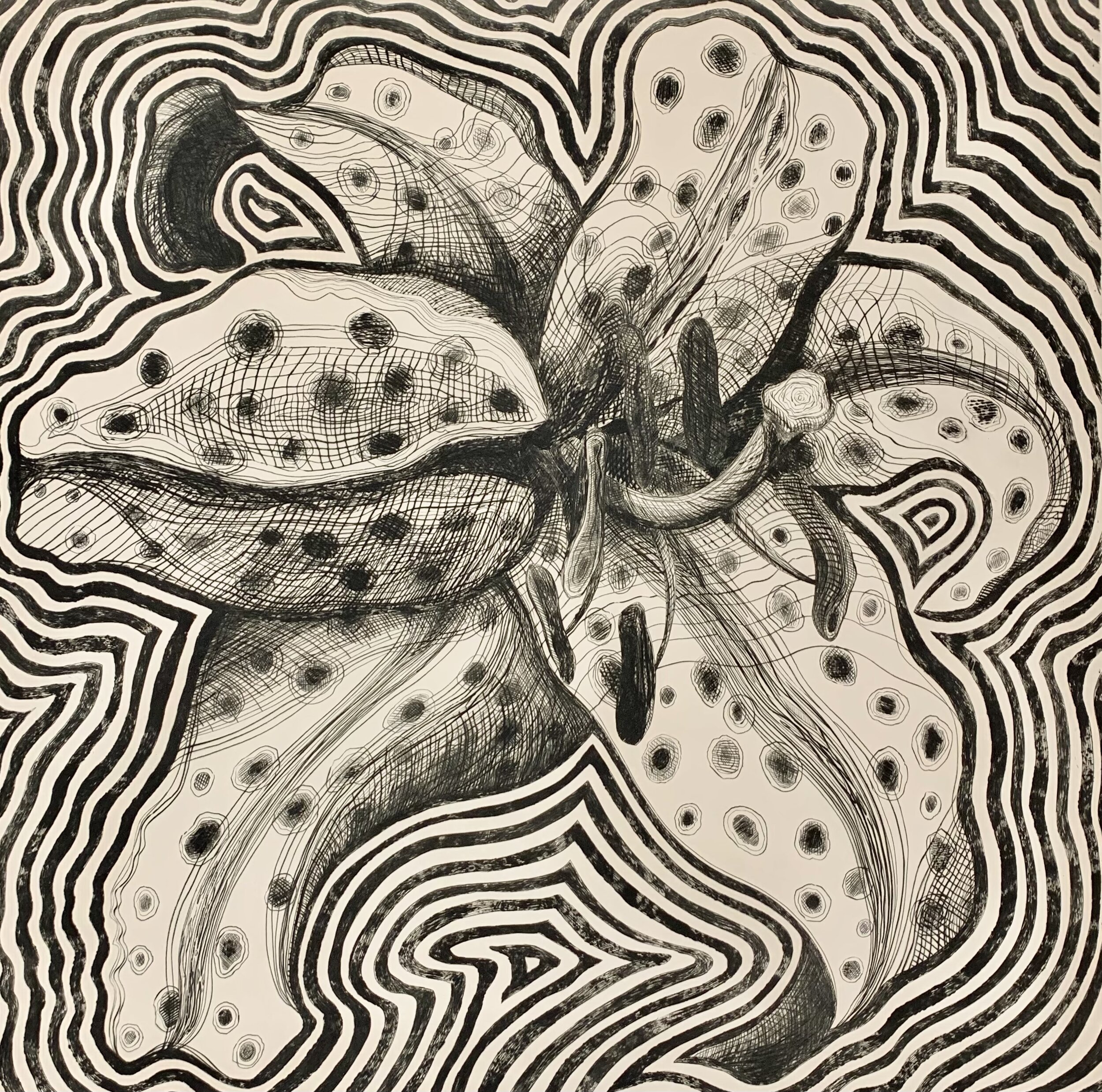
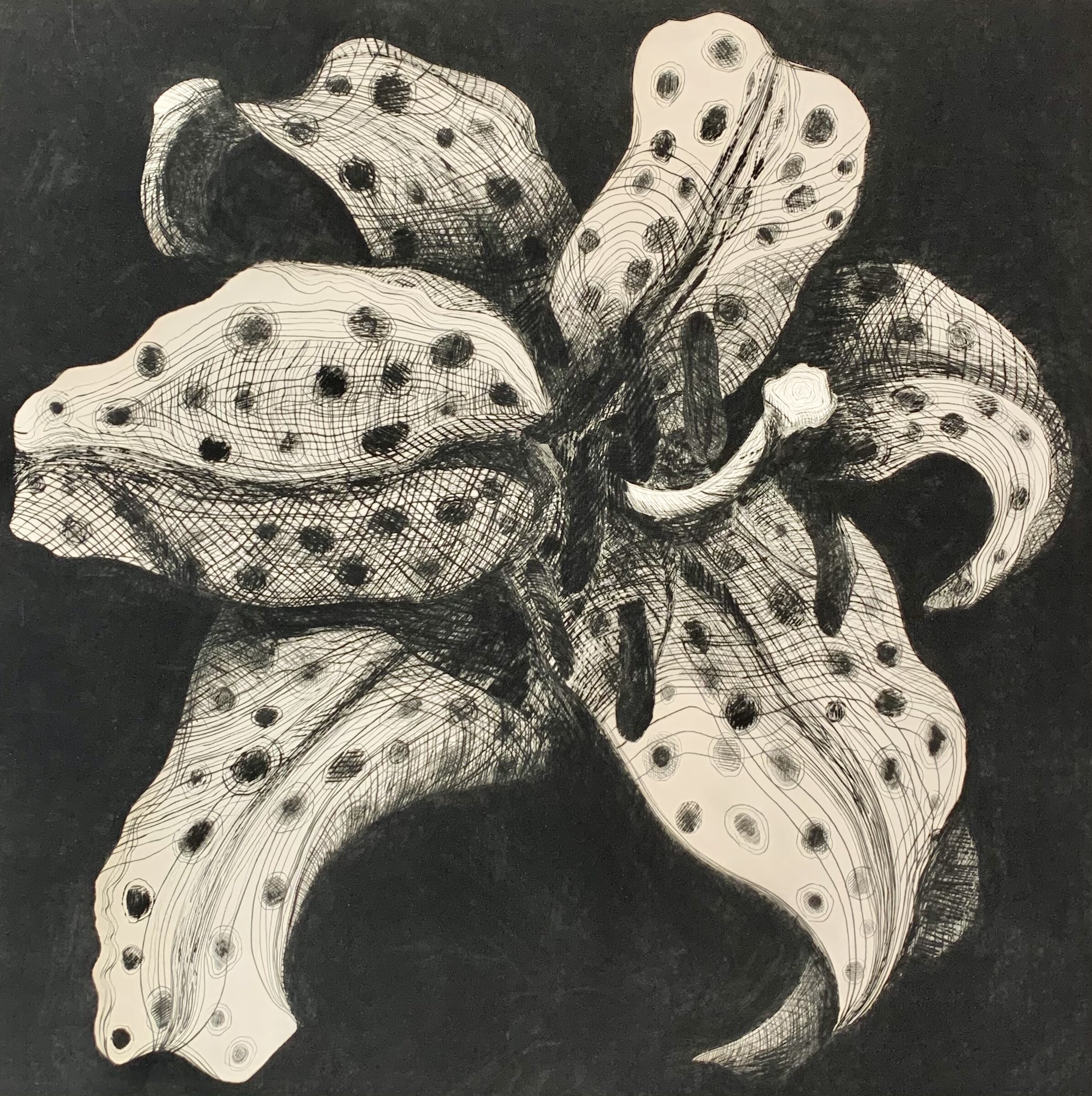
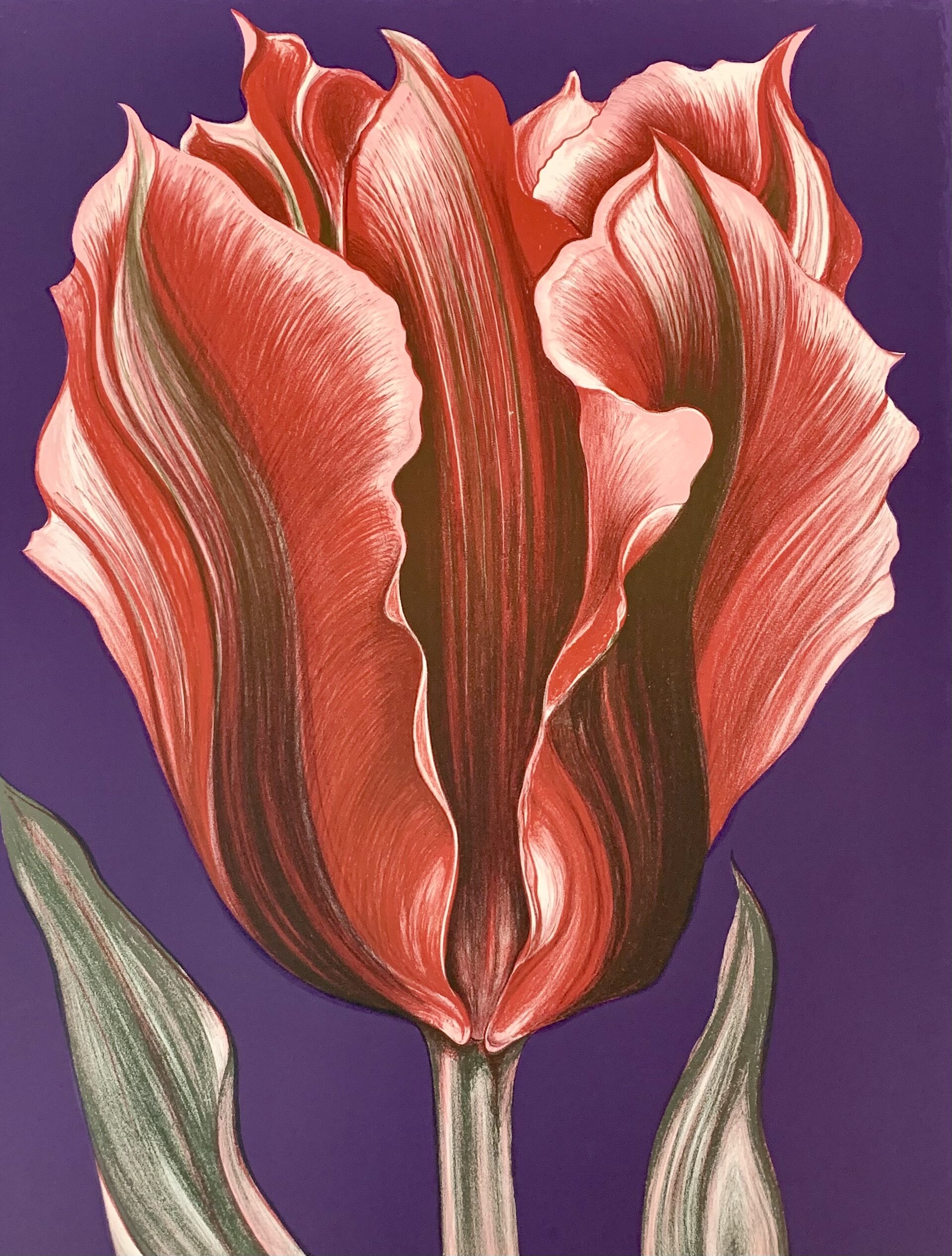
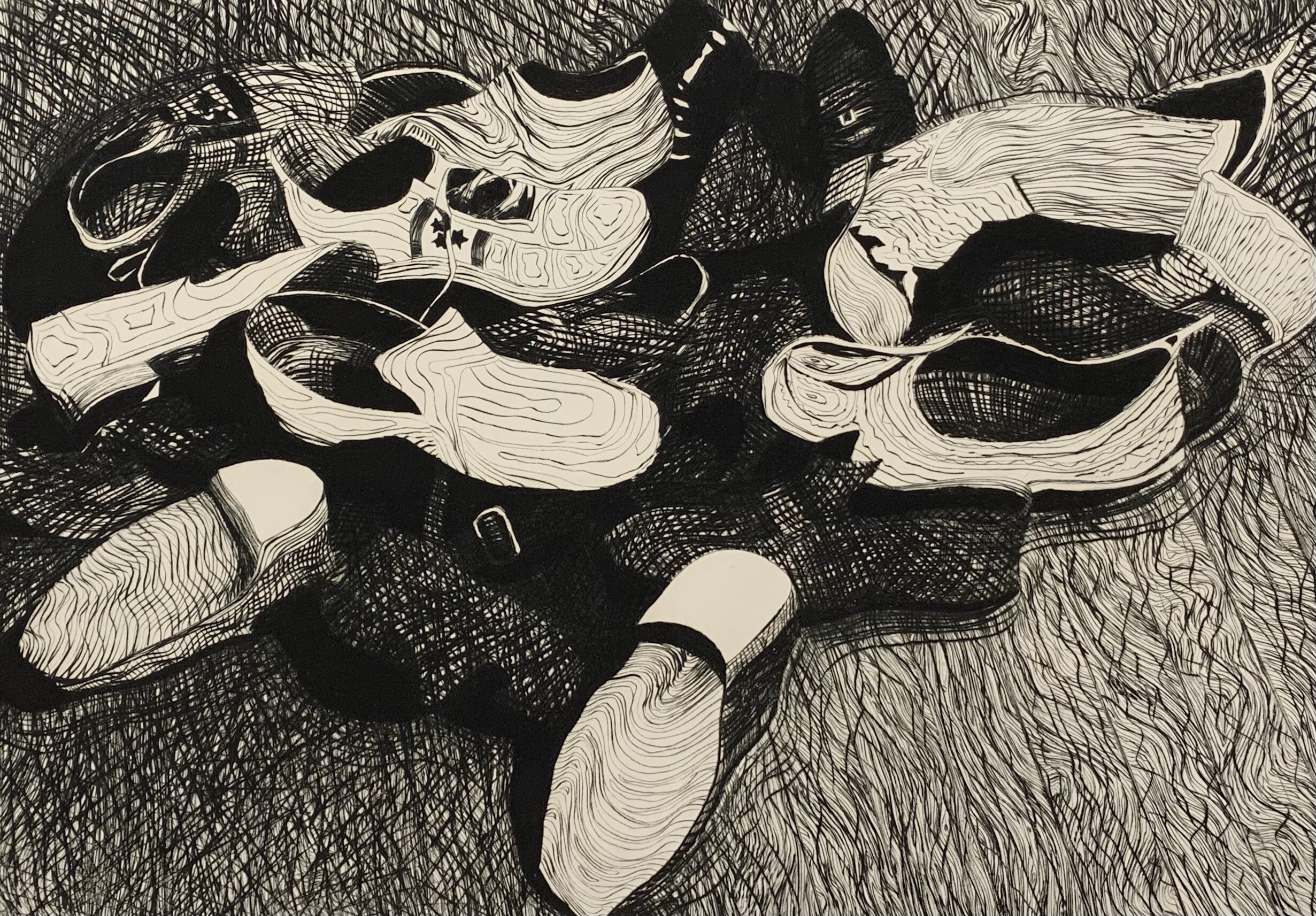
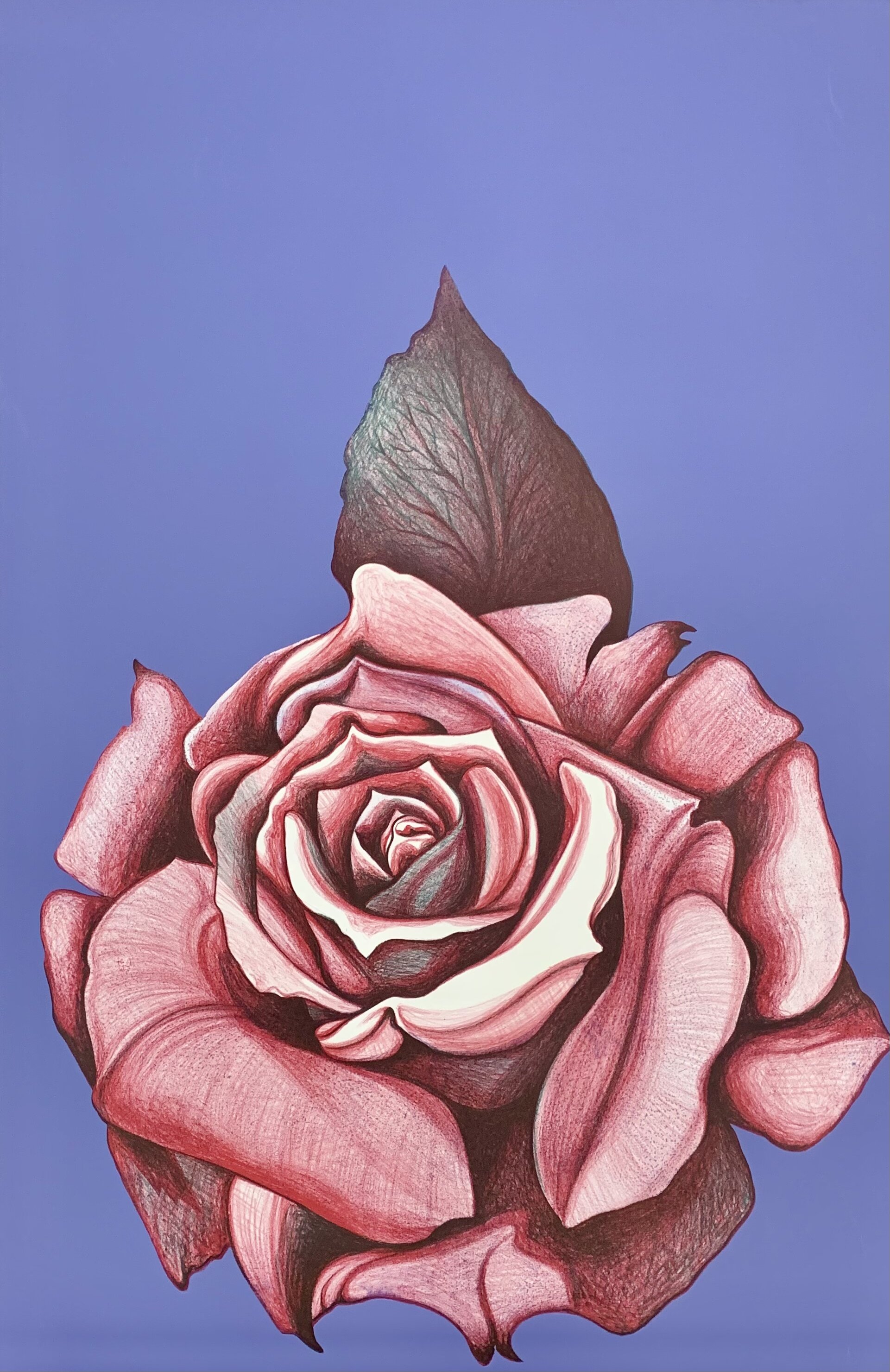
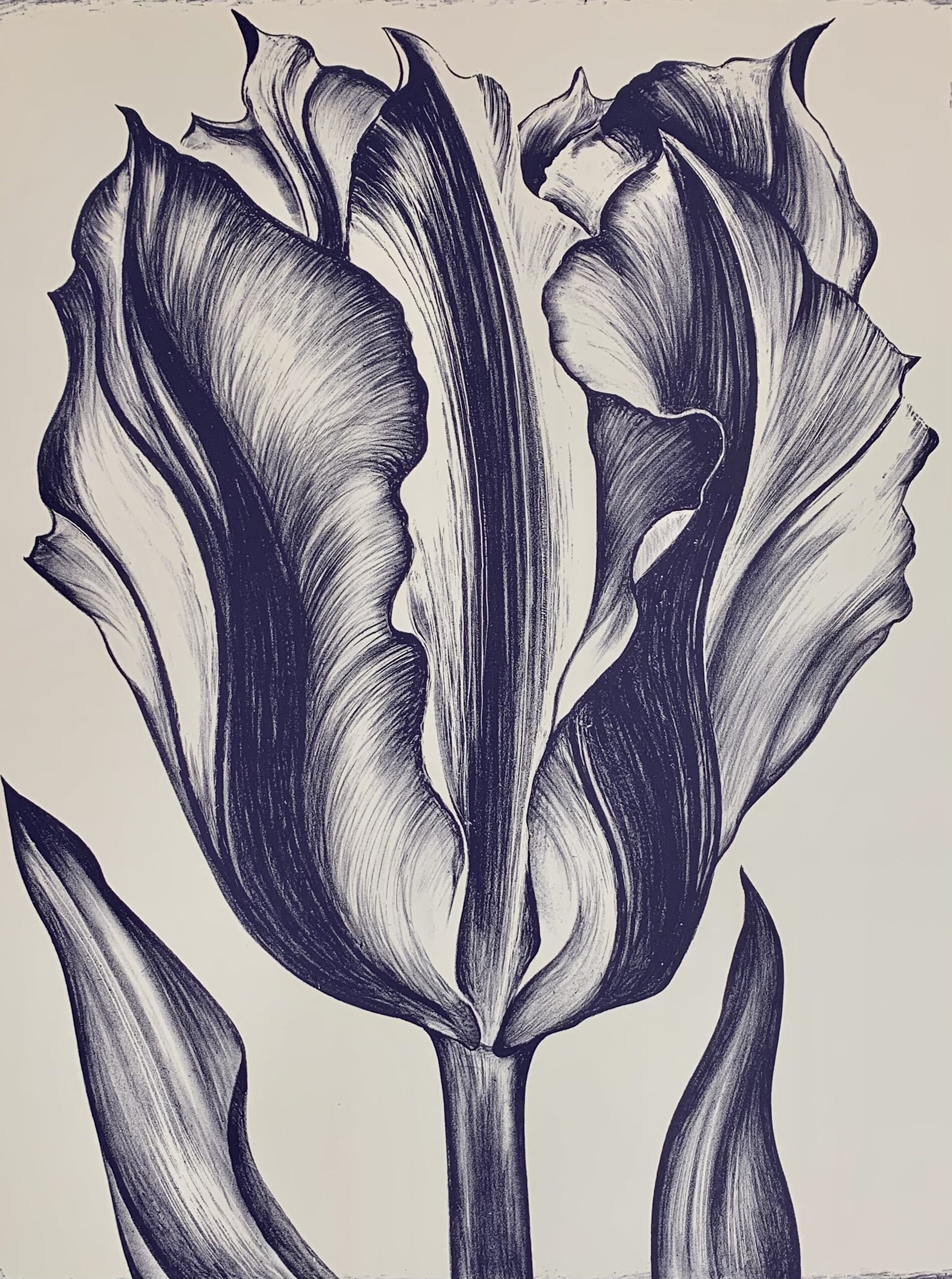
Lowell Nesbitt (1933-1993): Nature’s Pleasures will feature more than 100 paintings and works on paper created between 1955 through 1986. During his career, he had more than 130 solo exhibitions in museums and galleries throughout the United States and abroad, at present over 100 museums hold Lowell Nesbitt's work in their permanent collections. In 1980, the United States Postal Service issued four stamps based on Mr. Nesbitt's floral paintings. Lowell Nesbitt also served as the official artist for the space flights of Apollo 9 and Apollo 13.
Lowell Nesbitt was frequently grouped with the photo-realist movement, but his images were more interpretively distorted, somewhat loosely painted, and boldly abbreviated. His subjects ranged from articles of clothing, piles of shoes, nudes, caverns, landscapes, groupings of fruits and vegetables, animals, birds, reptiles, mammals, architectural details, and structures in Manhattan. The full oeuvre of Nesbitt’s work will be available as part of this exhibit. Despite such thematic variety, Nesbitt was best known for gargantuan images of irises, roses, lilies, and other flowers that he often depicted close-up so that petals filled the canvas. Dramatic and a little ominous, he remarked “I’ve been trying to treat the flower monumentally, to get beyond its prettiness.”
The unique works in the collection will be available for sale starting November 10th on a first come first serve basis. Contact the gallery to schedule a private viewing before the collection opens to the public.

LIVE Glassblowing
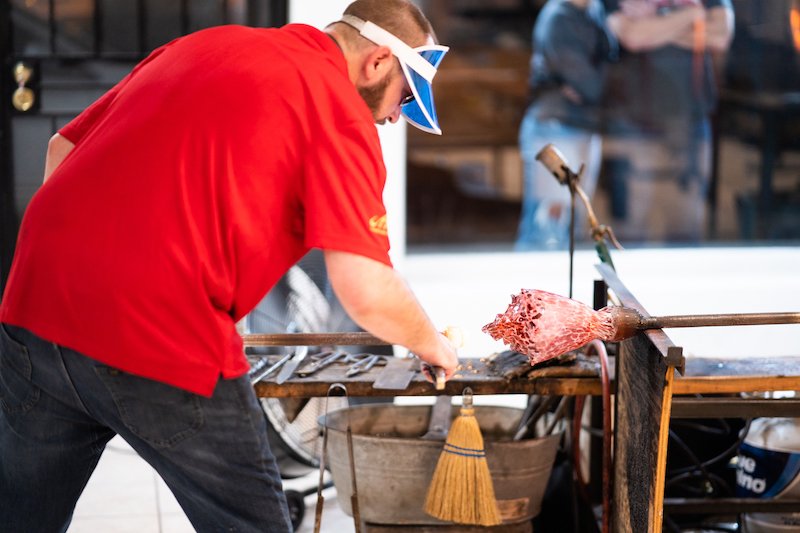
demonstrations by the masters
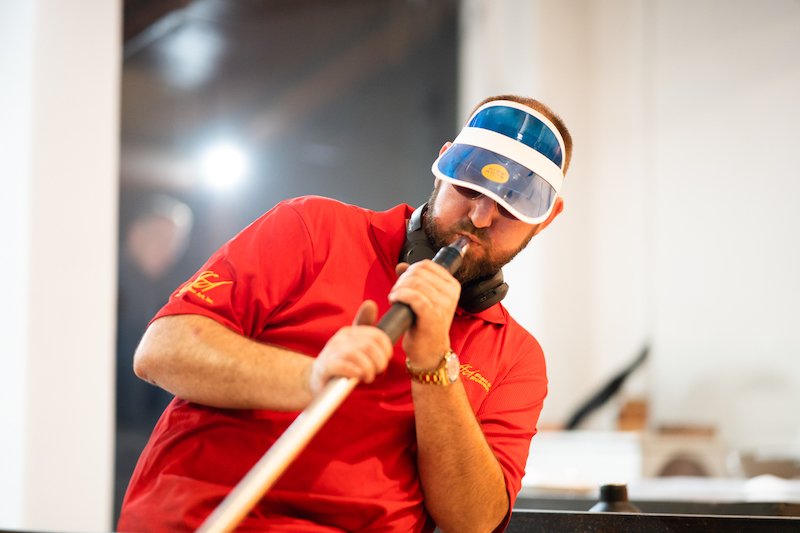
During our opening night reception five guest will be selected to blow a piece with the master glassblower. Contact your International Art Consultant for show details.
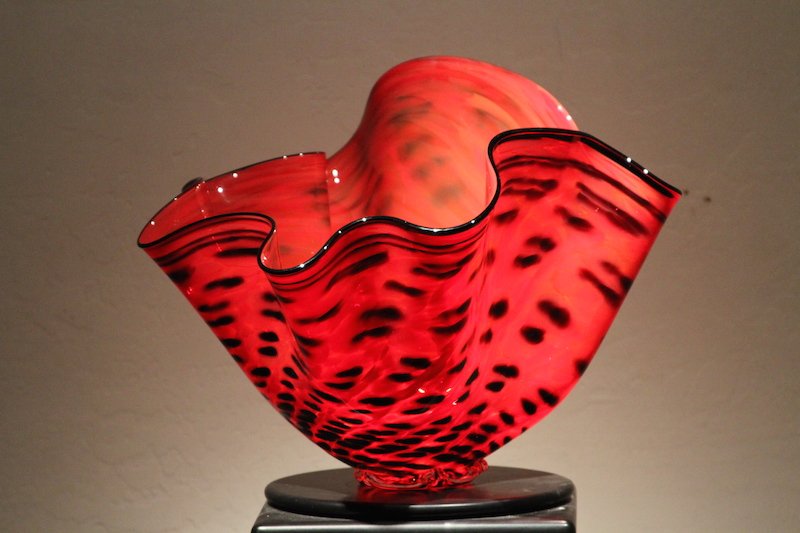
There is no art form quite like glassblowing, mesmerizing and beautiful. With the speed and agility of a top professional athlete and the precision of a skilled surgeon the master glassblower exacts their vision transforming 2,000 degrees molten glass into fine art glass sculptures and vessels.
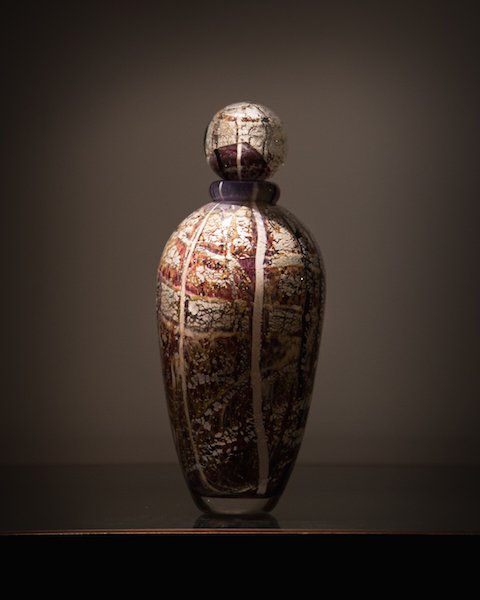
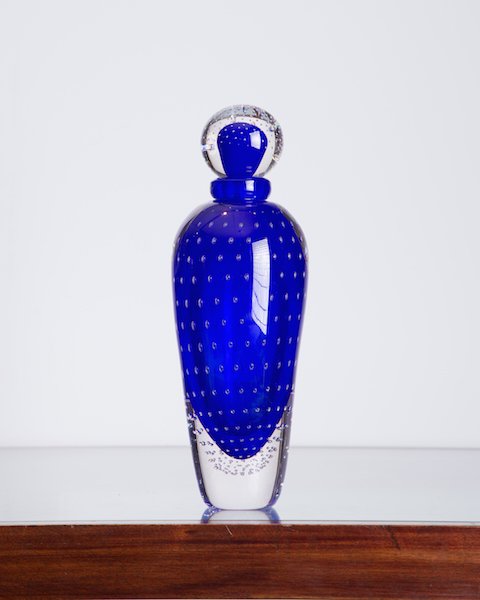
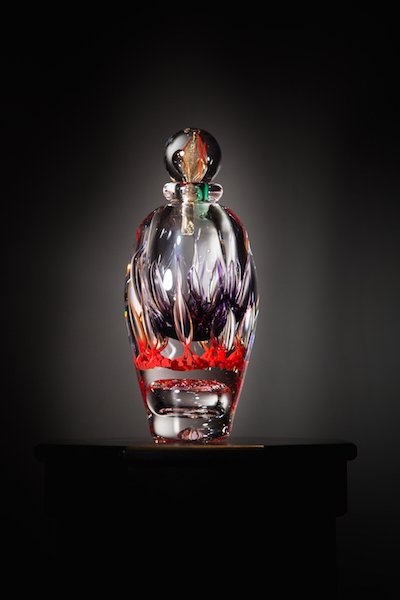
A highlight of any visit to American Fine Art is the stunning exhibit of one-of-a-kind hand-blown fine art glass created by master glassblowers. For two decades, they have introduced clients to the beautiful medium of fine art glass.
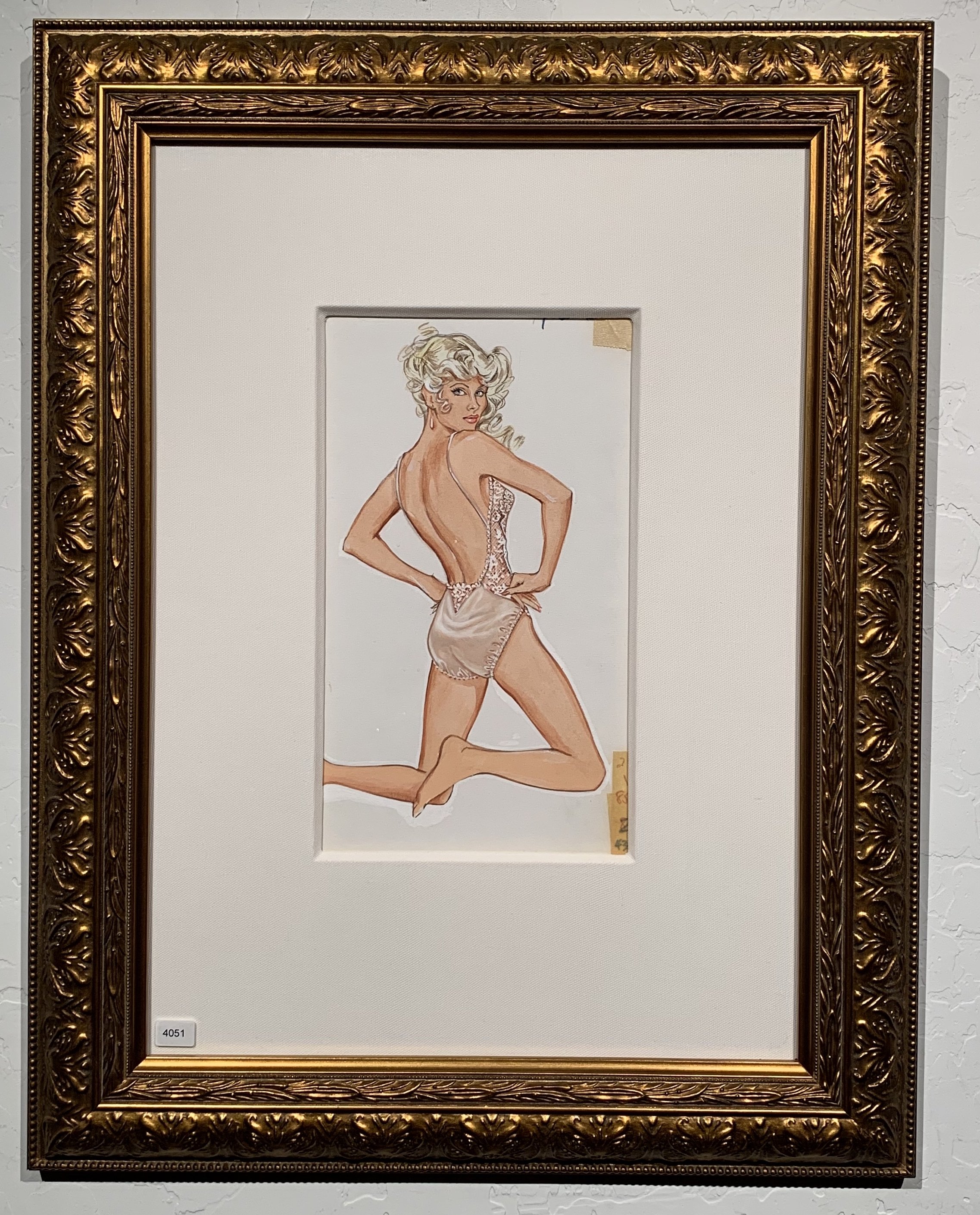
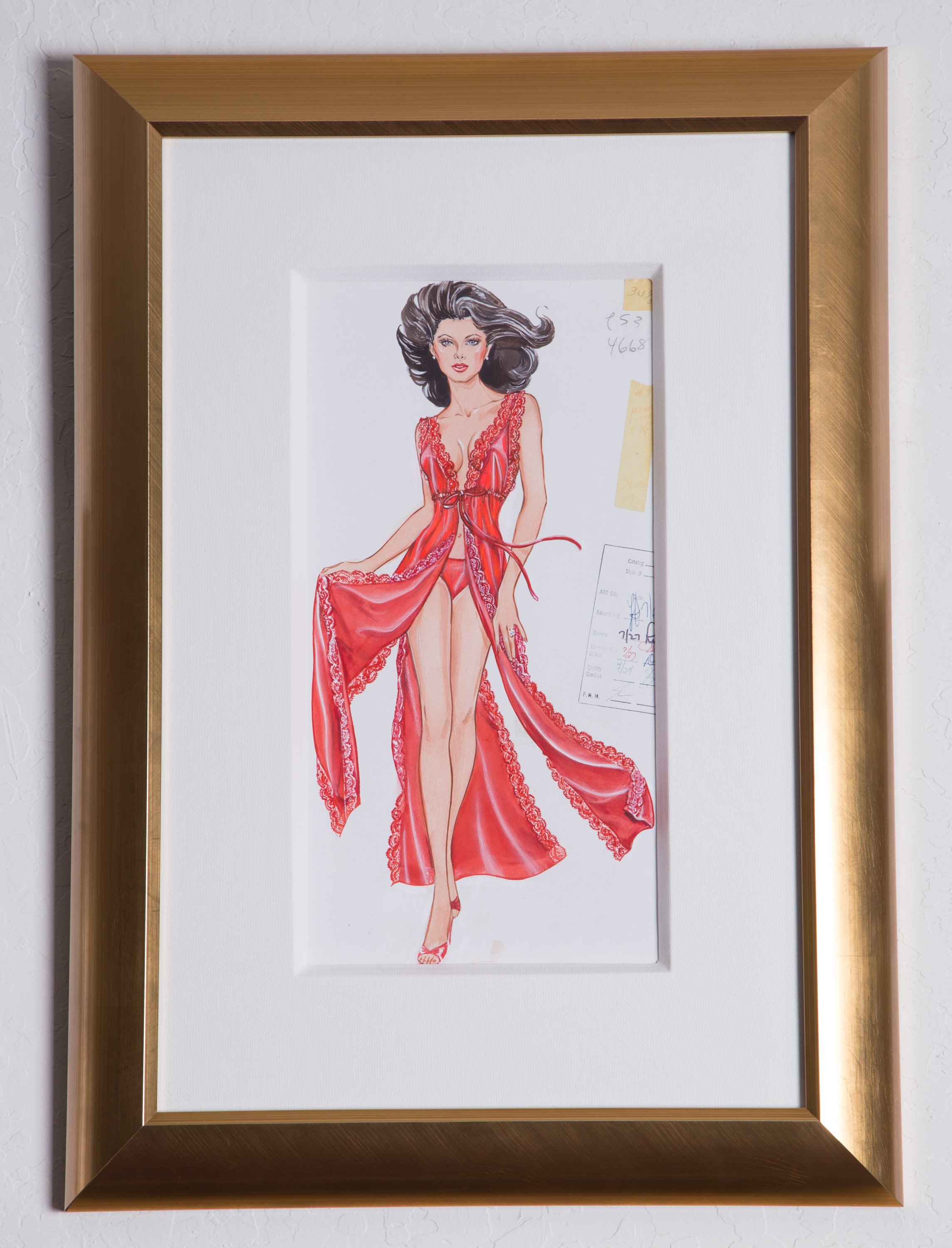
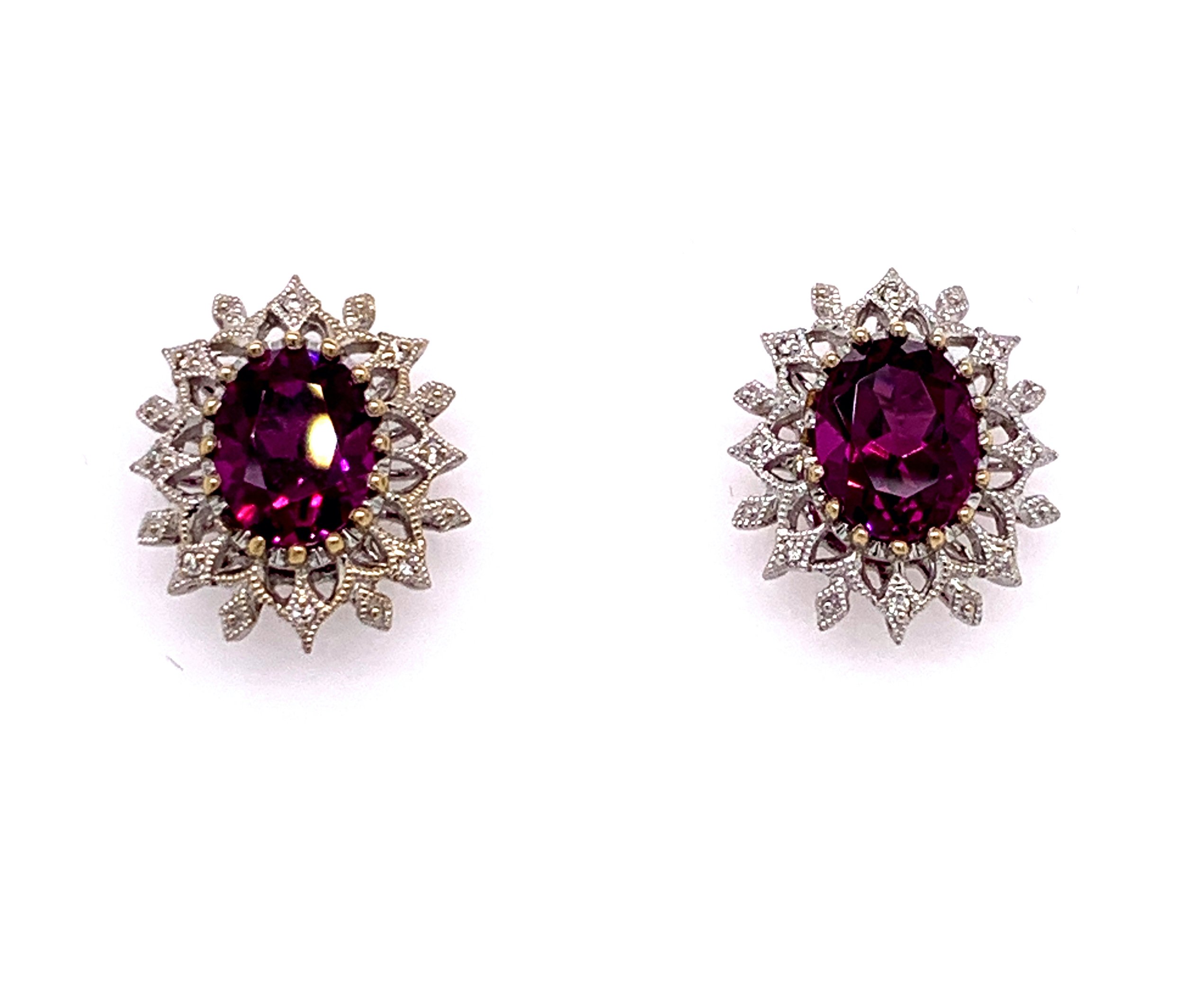
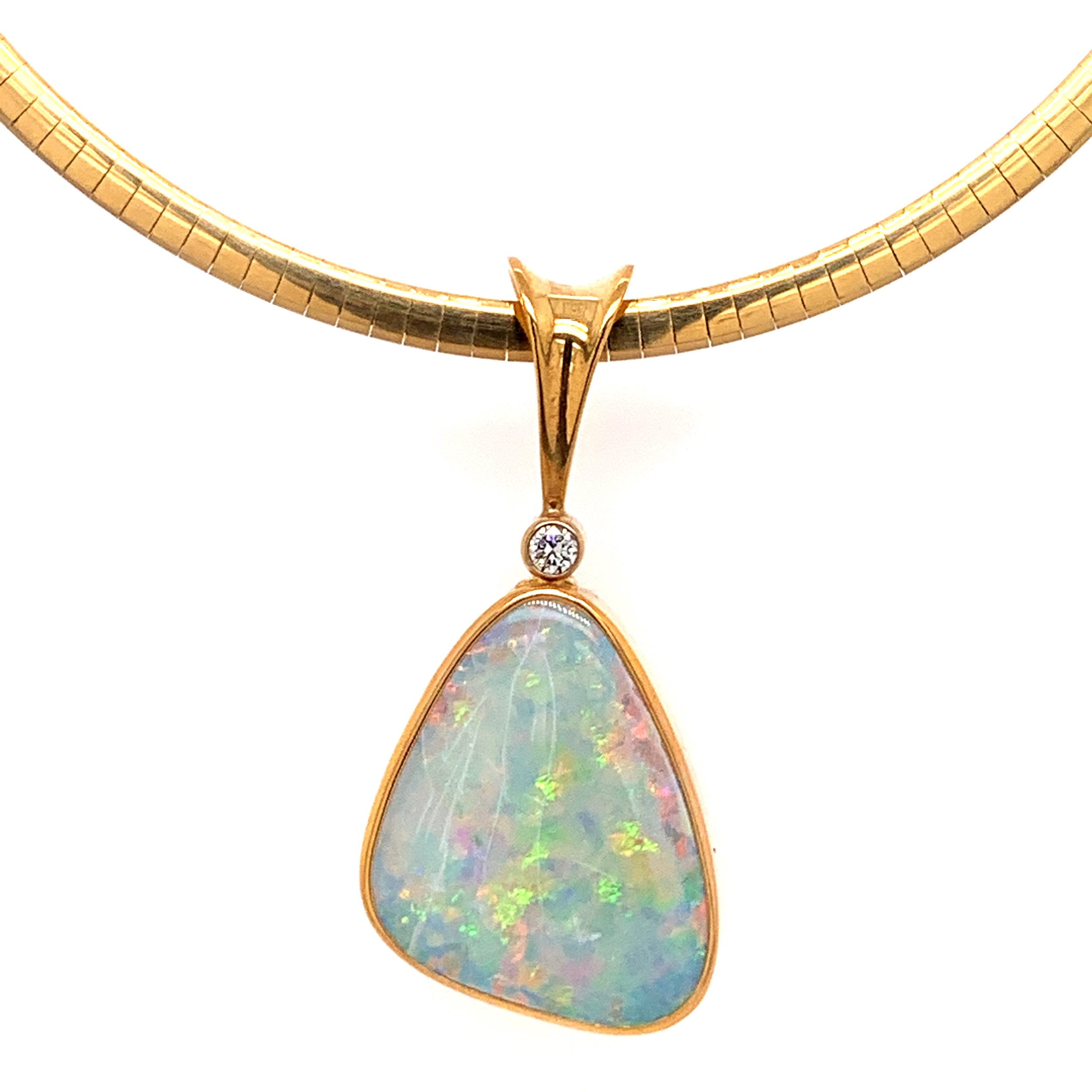
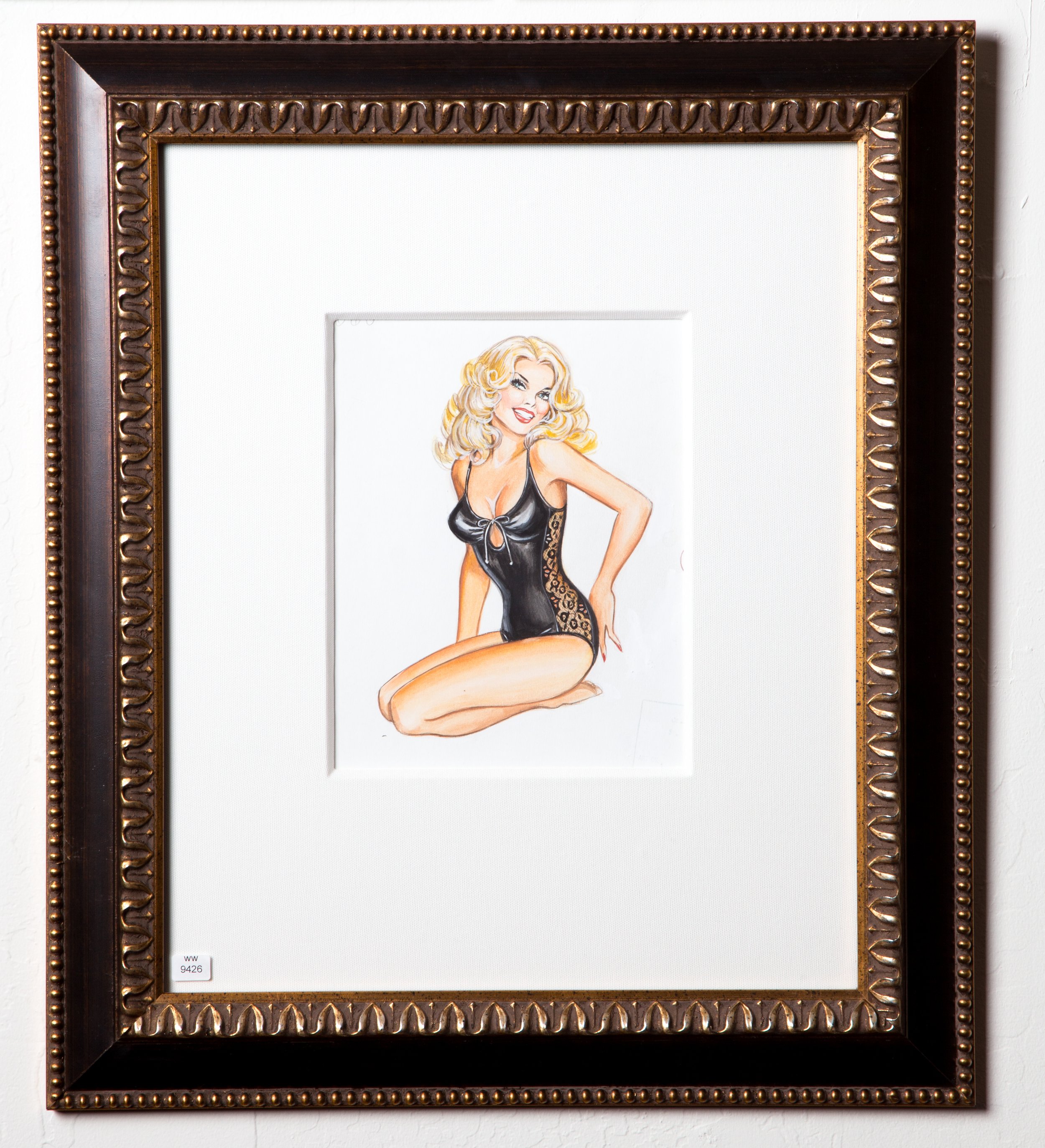
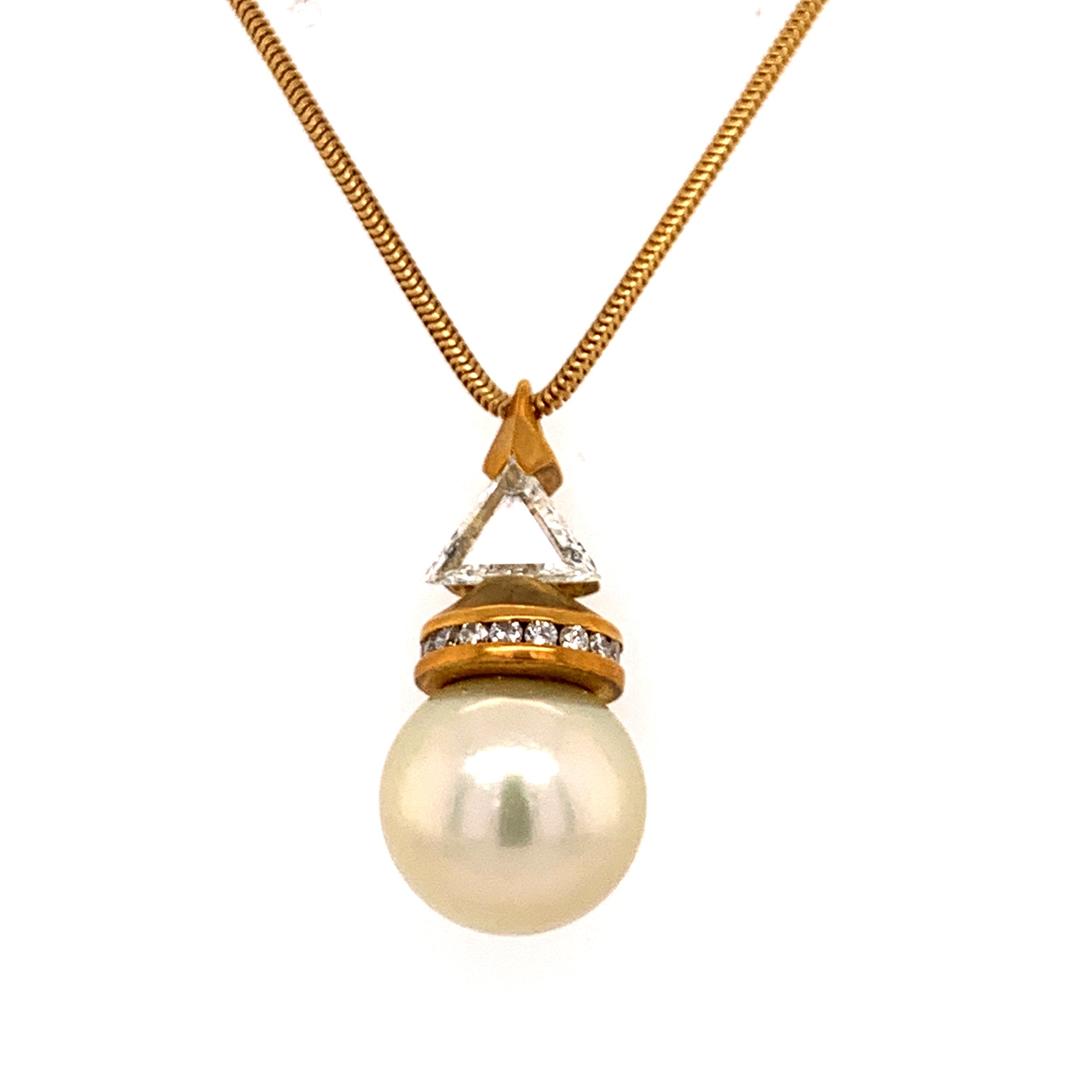
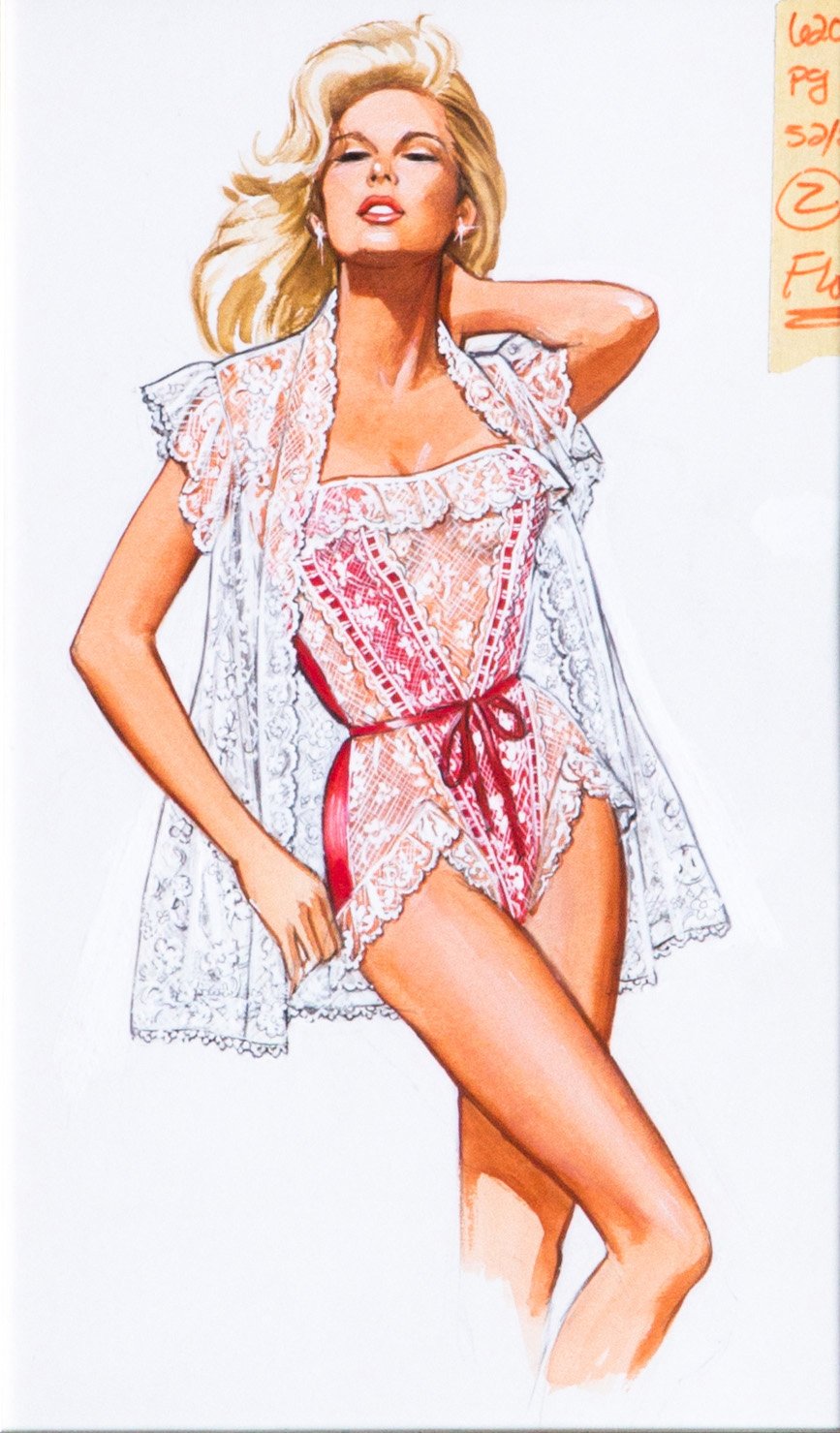
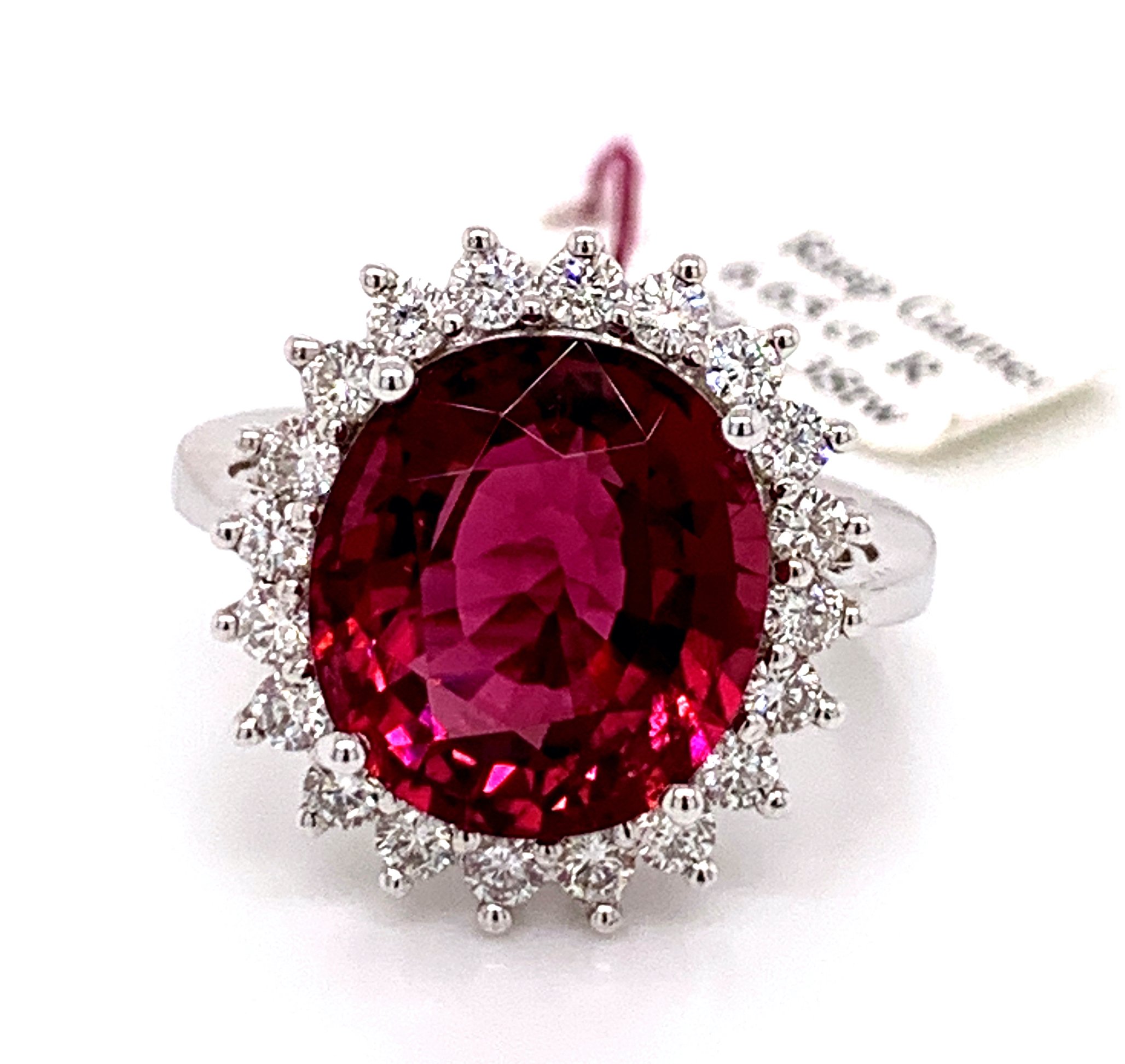
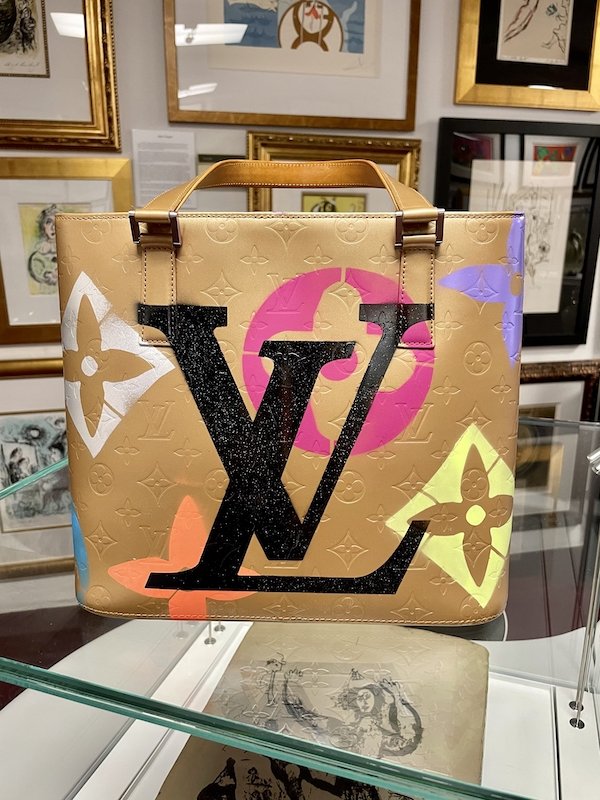
FASHION, FINE WINE, & JEWELS





Before Banksy:
A Lesson in Art History
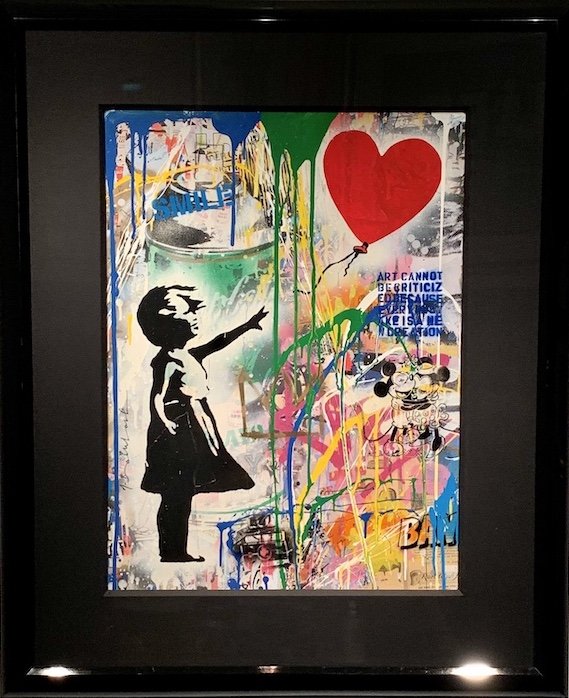
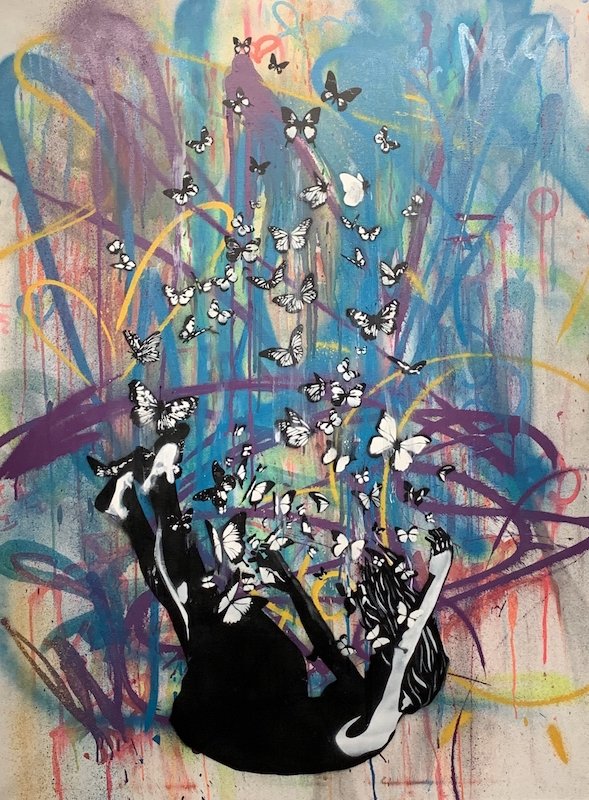
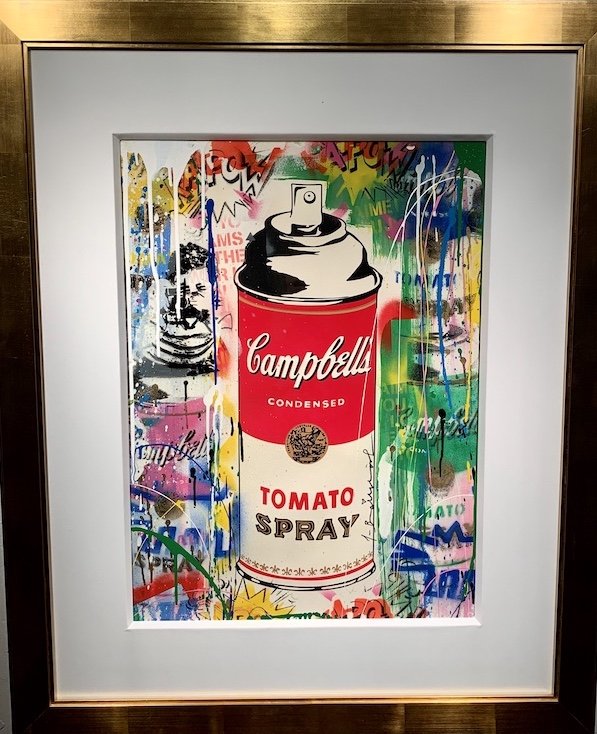
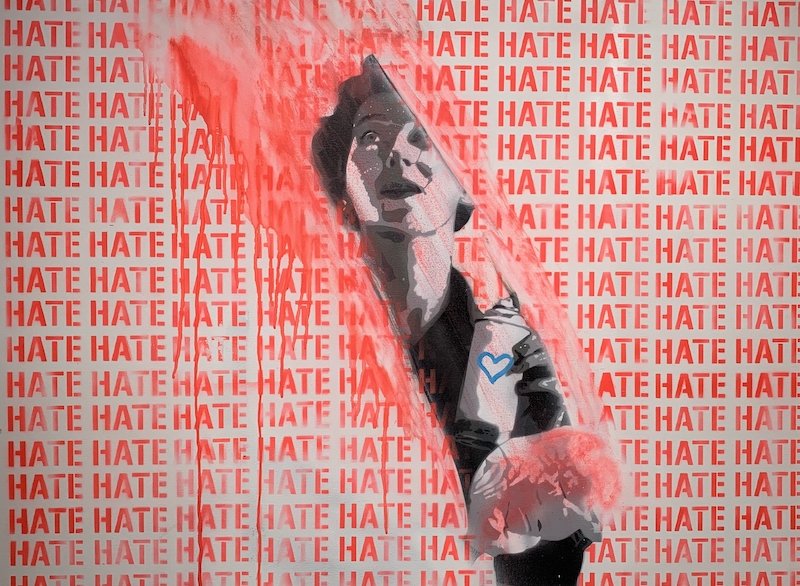
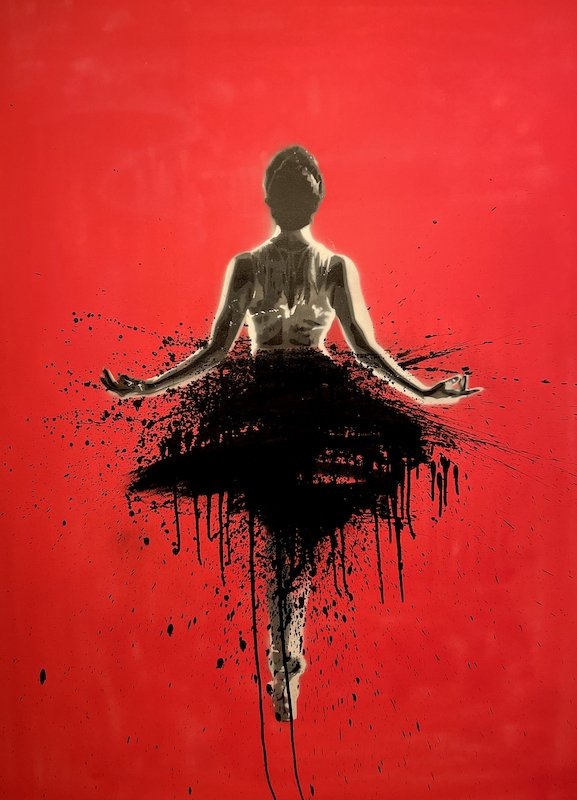
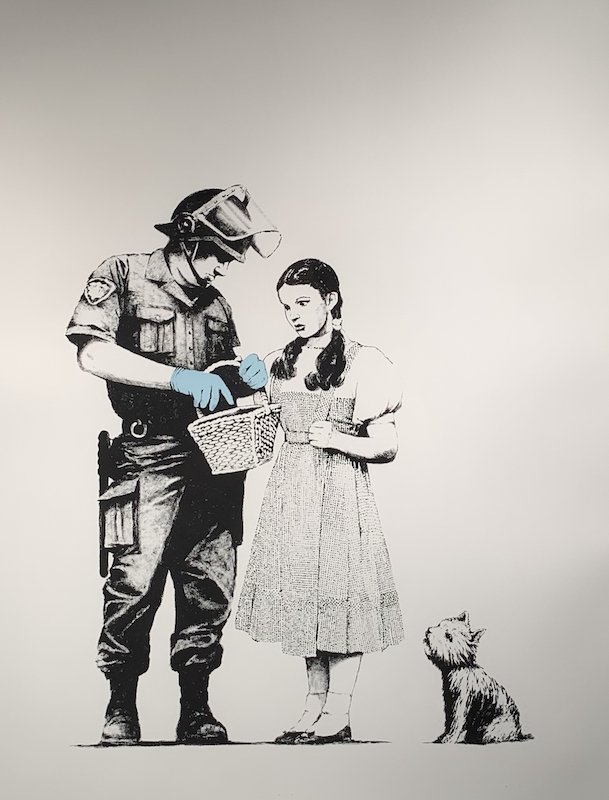
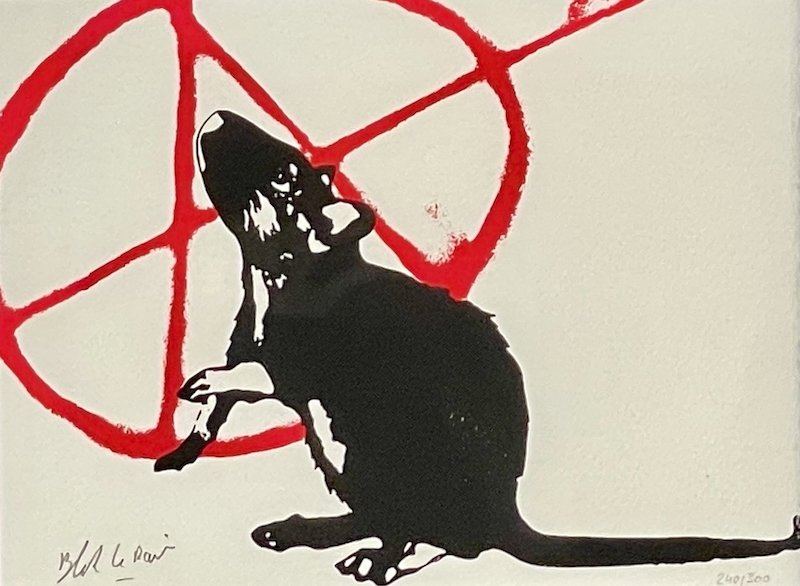
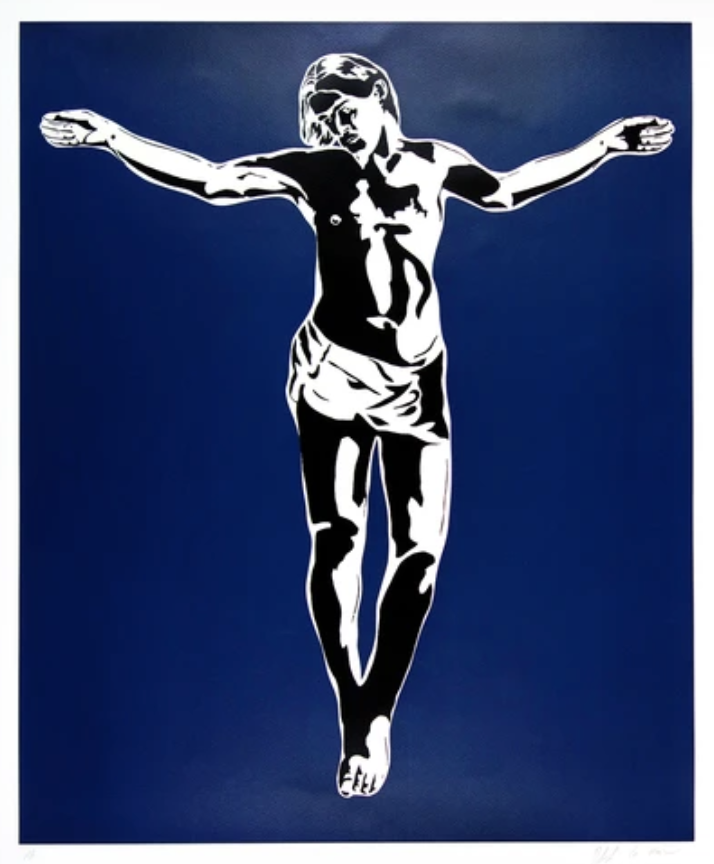
An all-star line-up of renowned graffiti and street artists will be featured in the bold and breathtaking Before Banksy: A Lesson in Art History.
Opening to the public on January 13th, 2022, the exhibition will showcase a history of street and graffiti art. Including, of course, Banksy but also those that came before him like Crash and Blek le Rat, and his contemporaries including AtZ and Brainwash. The unique works in the collection will be available for sale starting January 10th on a first come first serve basis. Contact the gallery to schedule a private viewing before the collection opens to the public.
We are in the festive spirit at American Fine Art, Inc. Whether you’re wrapping up your Hannukah celebration, preparing for Christmas or another we’re here to celebrate with you! Stop by and share in our merriment with the masters!

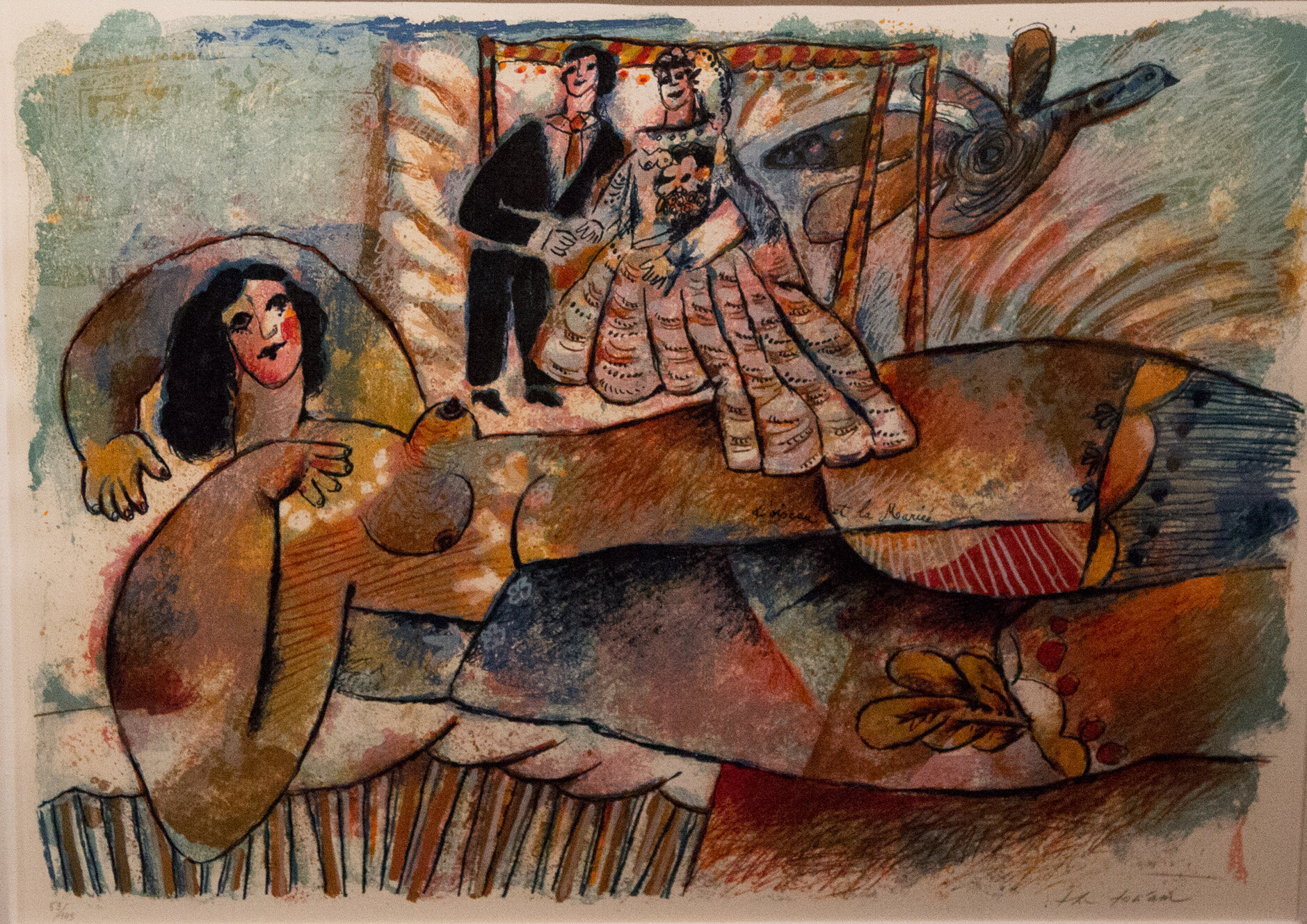
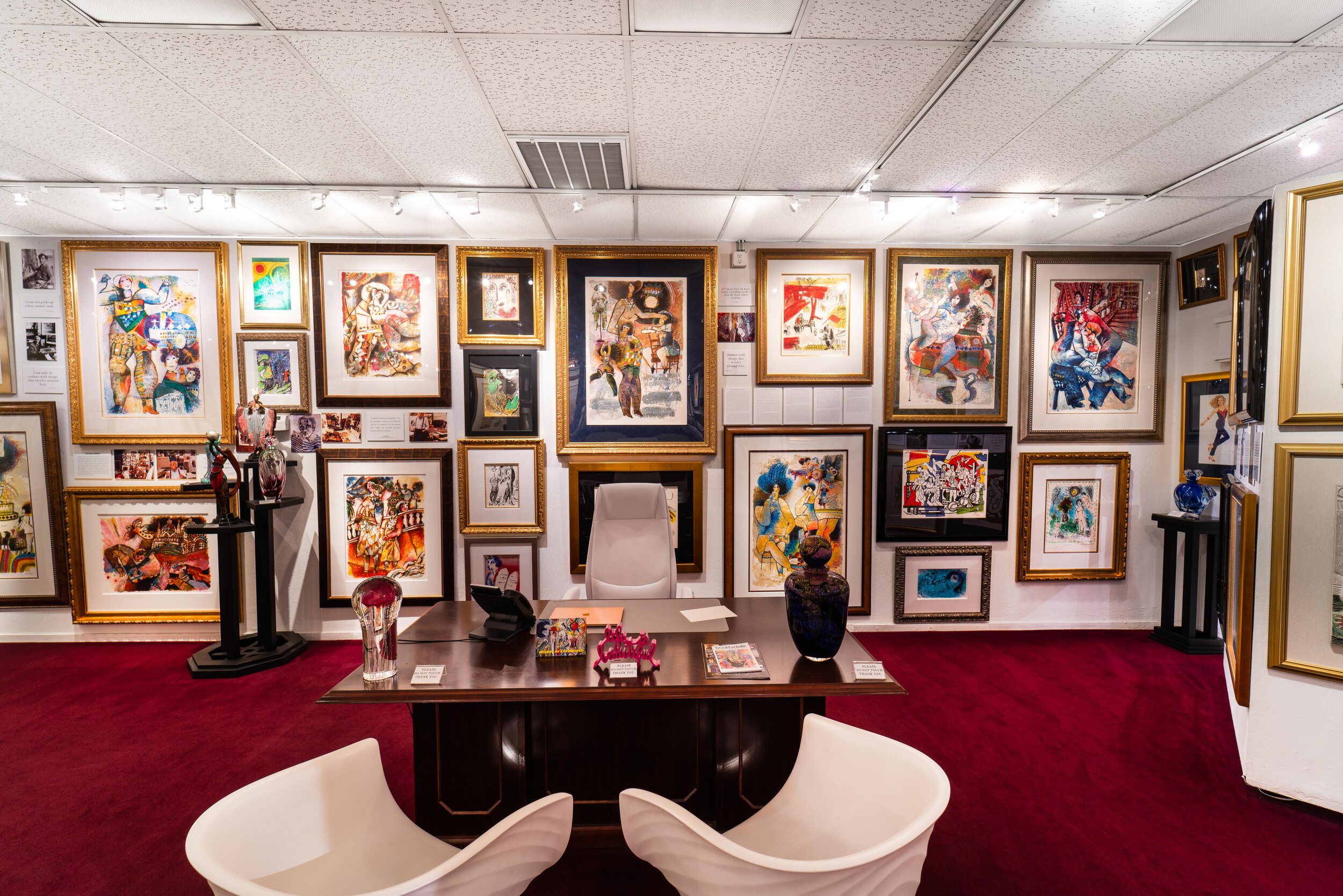
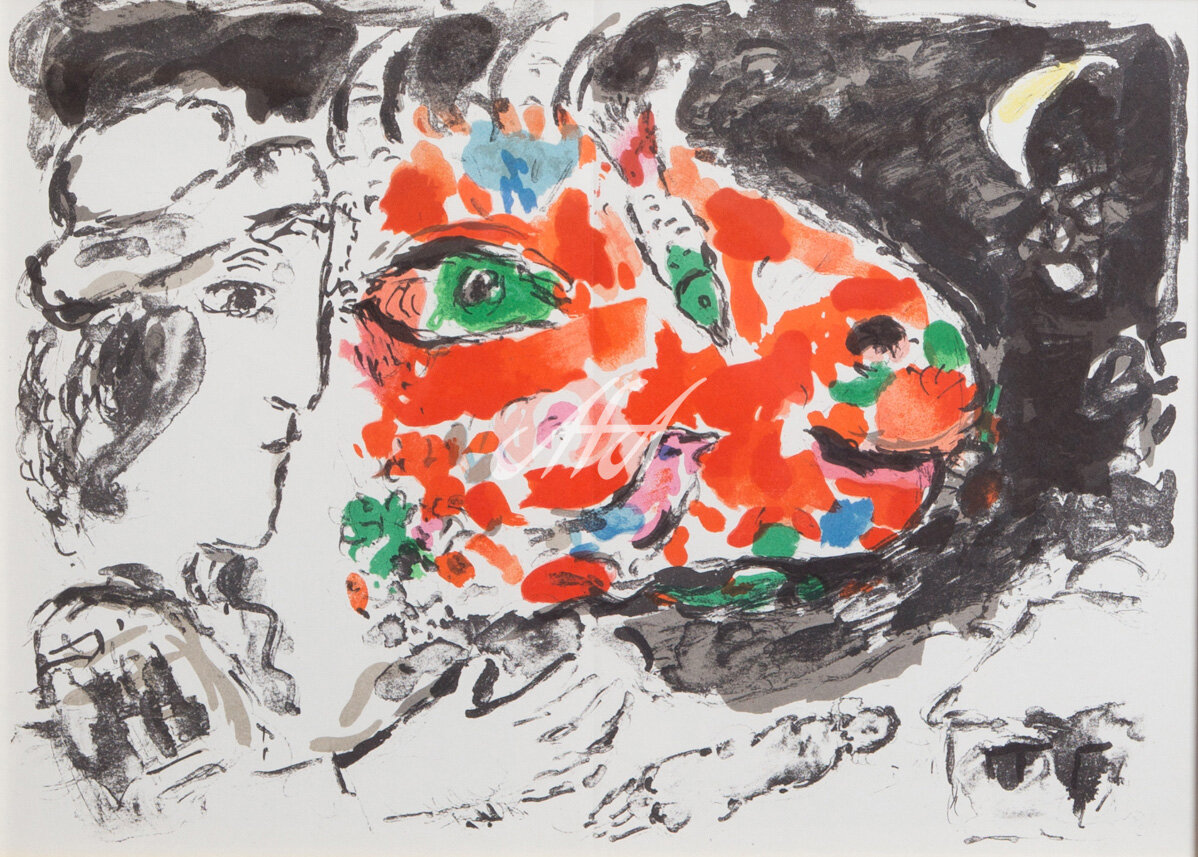
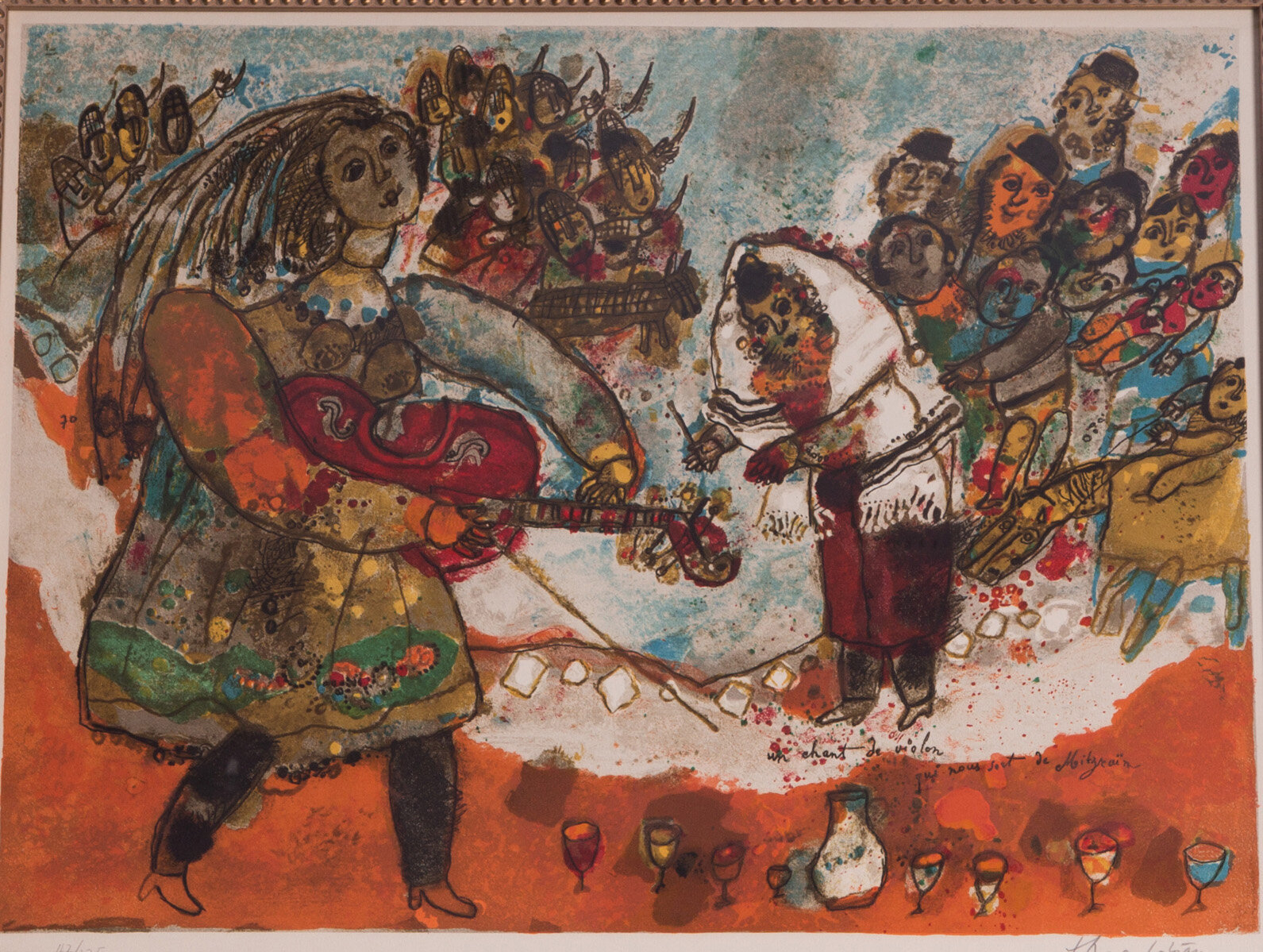

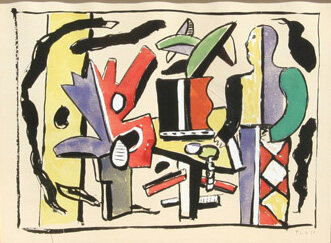
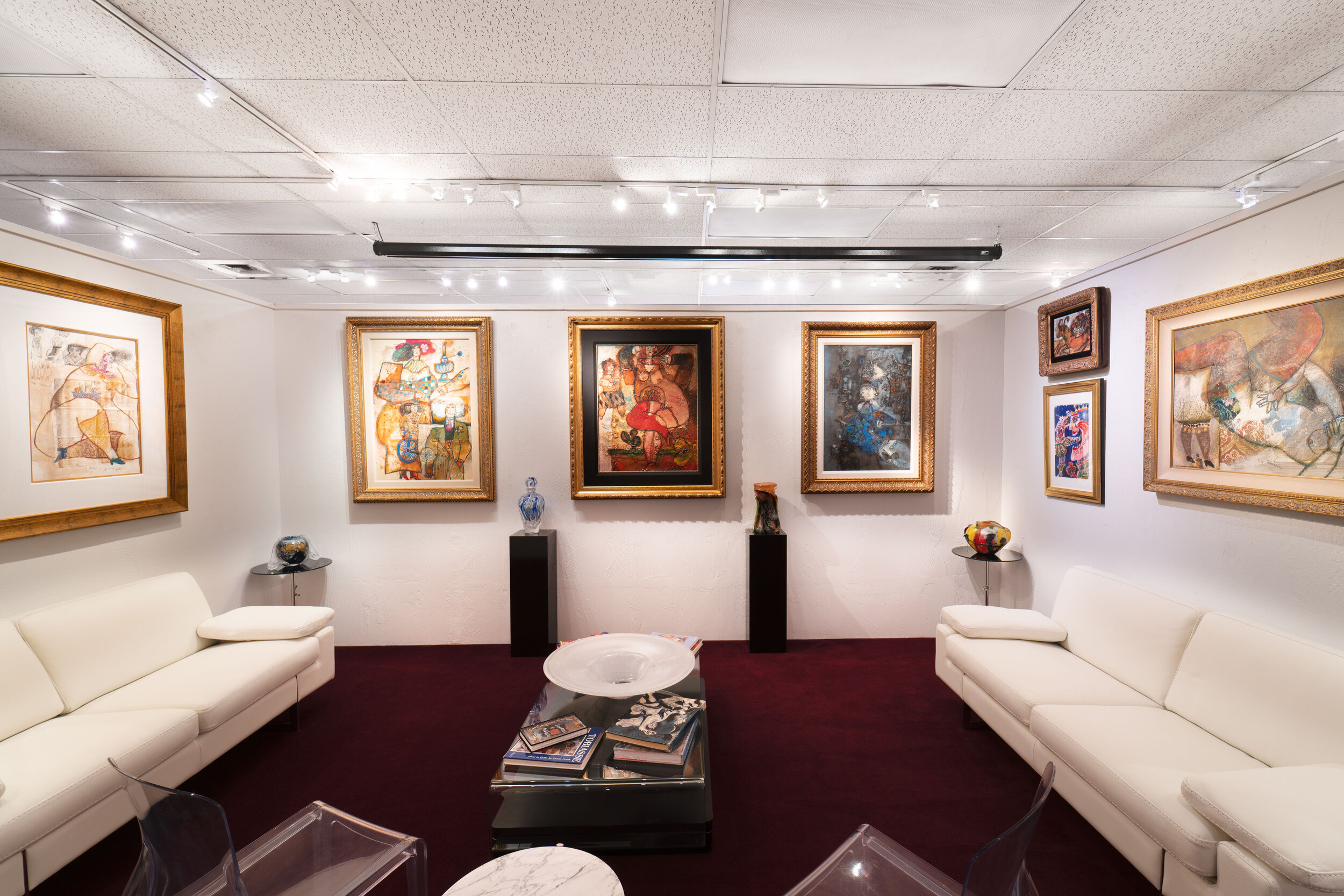
avenue of expression: chagall, tobiasse, léger
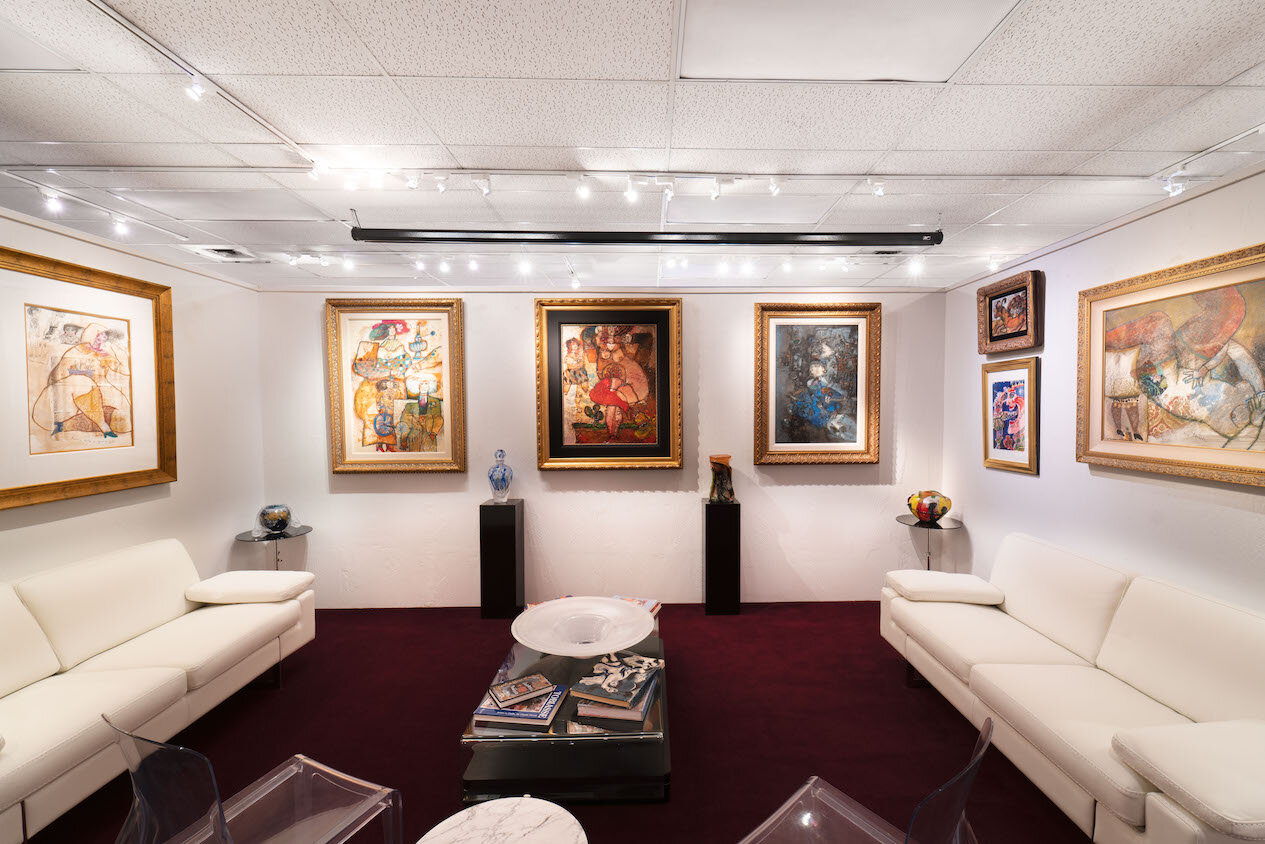
Drawing out emotions from the collector, this spectacular exhibition is a sensory delight. Take a walk down the Avenue of Expression at American Fine Art, Inc. Original works are available for purchase on a first come, first served basis, please contact the gallery to schedule an advance showing.
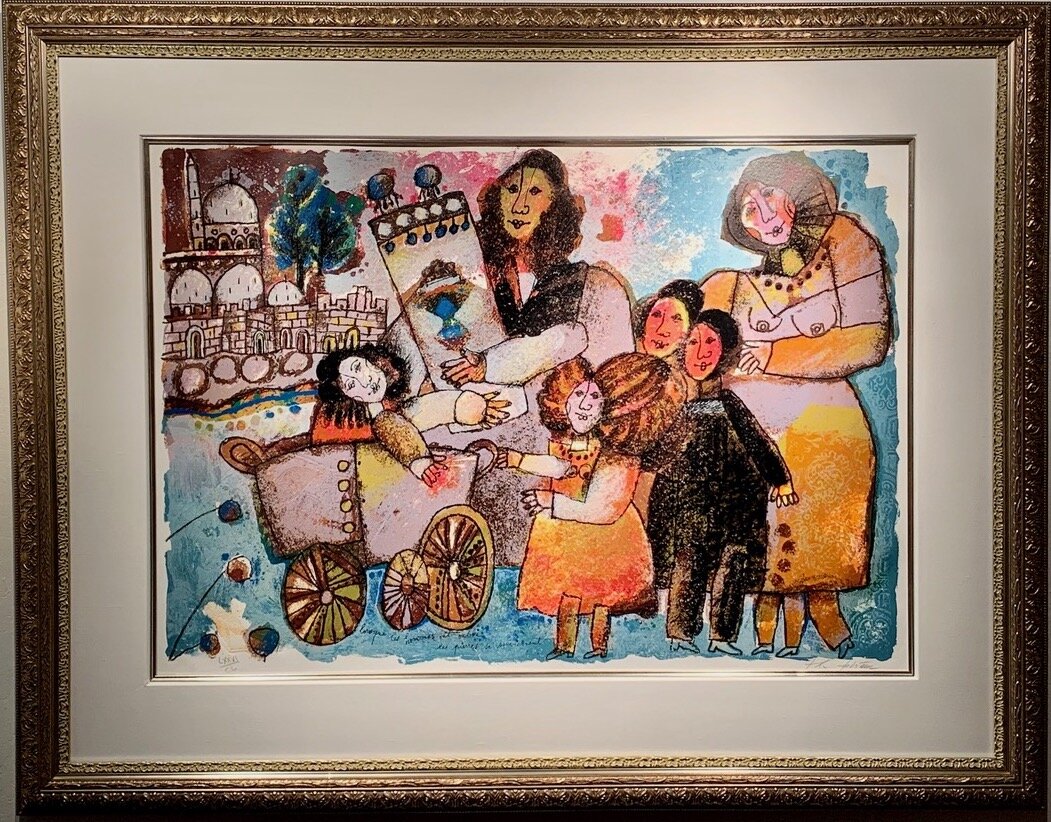
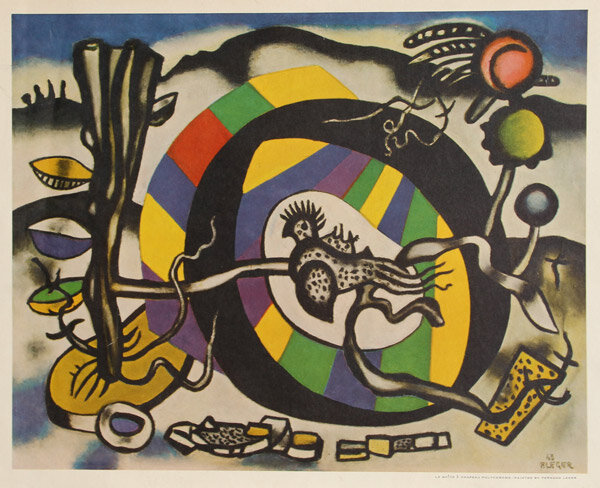
This collection showcases the ardent passion of both Marc Chagall and Theo Tobiasse whose works are overflowing with rich color and form often presented with a dreamlike whimsy. Juxtaposed with the more abstract approach of Leger whose works are characterized by heavy black line and primary color. All three artist's emotions speak through their art with subjects ranging from the intimate love of a woman, the enduring warmth of a mother and child, the dedication of an artist to the canvas, the peace found in spiritual teachings, and the imagination fired by a circus performance.
Expressionist art tends to be emotional, even mystical, with clear roots in Cubism. Rather than trying to accurately represent the world, as artists had been doing since the Renaissance, Expressionist artists sought to express their subjective inner emotions, fantasies, or thoughts independent from “reality”. In this way, Expressionism can be seen as a rejection of the Impressionism movement that came before it and a precursor to Abstract art.
The exhibition brings together more than one hundred & fifty paintings, drawings, lithographs, and etchings. A major highlight of the Avenue of Expression: Chagall, Tobiasse & Leger are the original limestones from the renowned publisher who worked with 20th century masters including Chagall, Leger, Matisse & Picasso to create beautiful lithographs. These are seldom ever available to see even in prominent museums - truly a unique glimpse into the medium of lithography and the acclaimed master colorist Marc Chagall.
Street Meets Pop at American Fine Art
The Prince of Pop, Andy Warhol, and the contemporary Street Artist, AtZ, will be featured in the bold and breathtaking American Fine Street Art exhibit of masterworks at American Fine Art in Old Town Scottsdale’s Arts District.
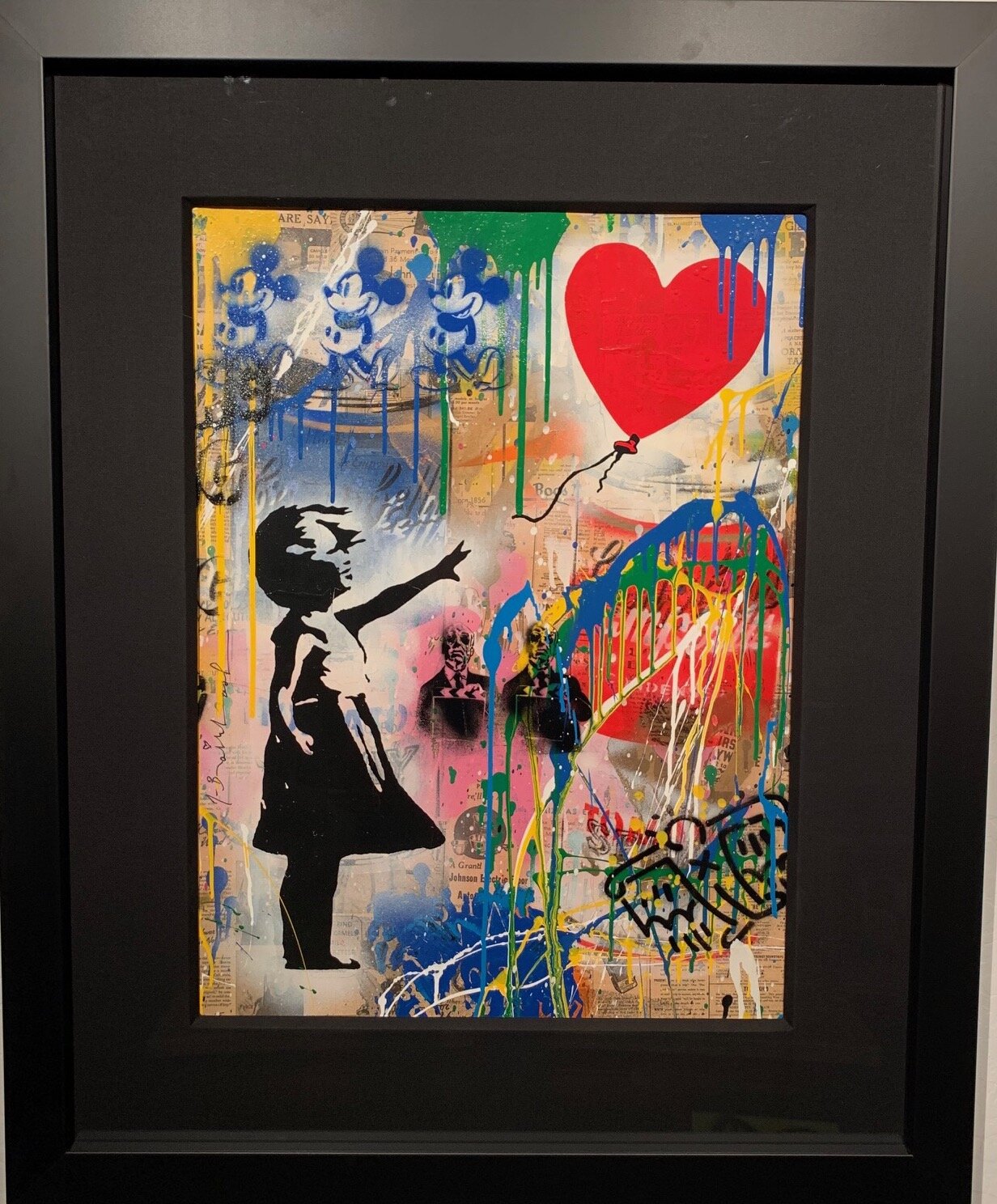
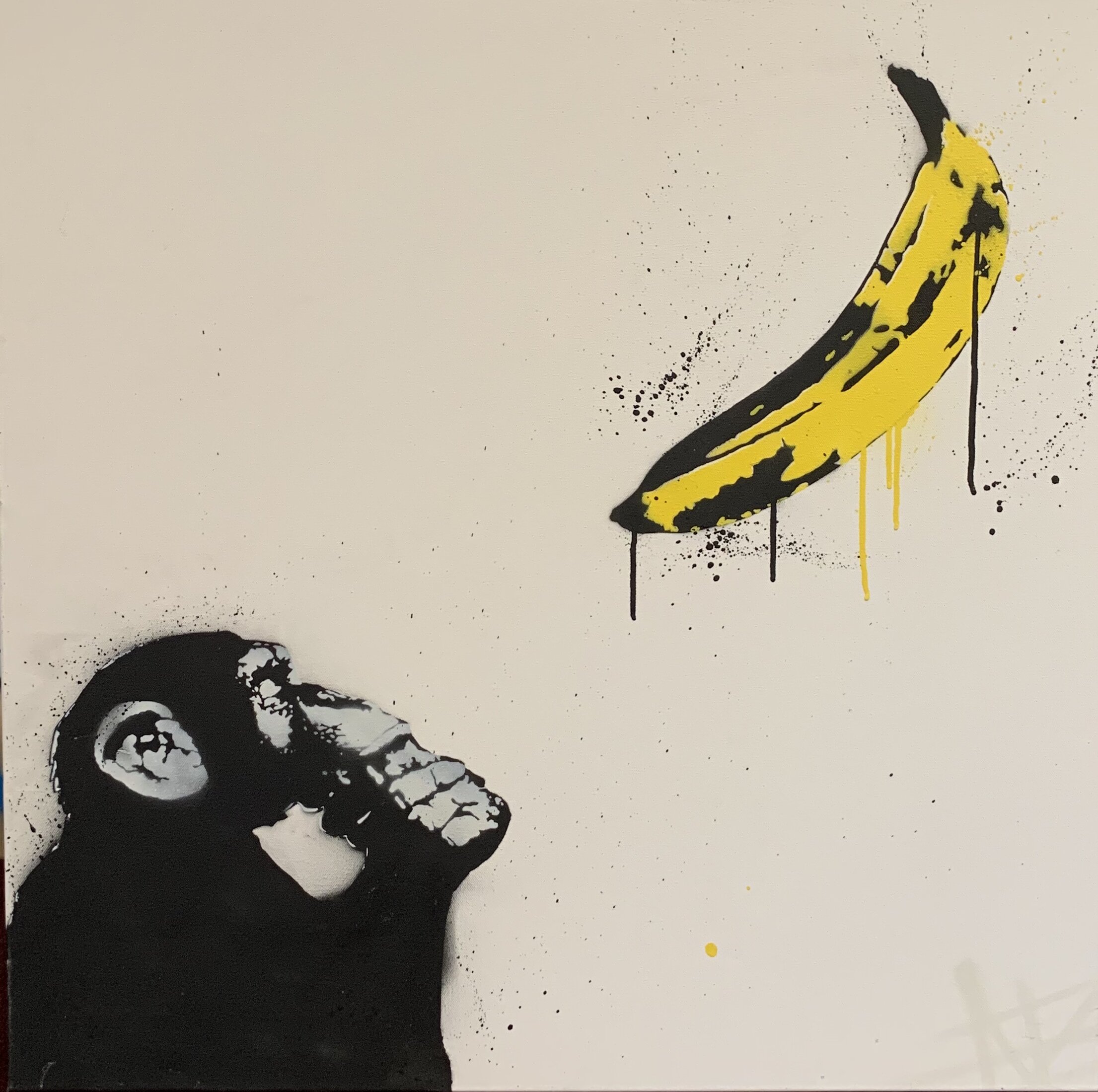
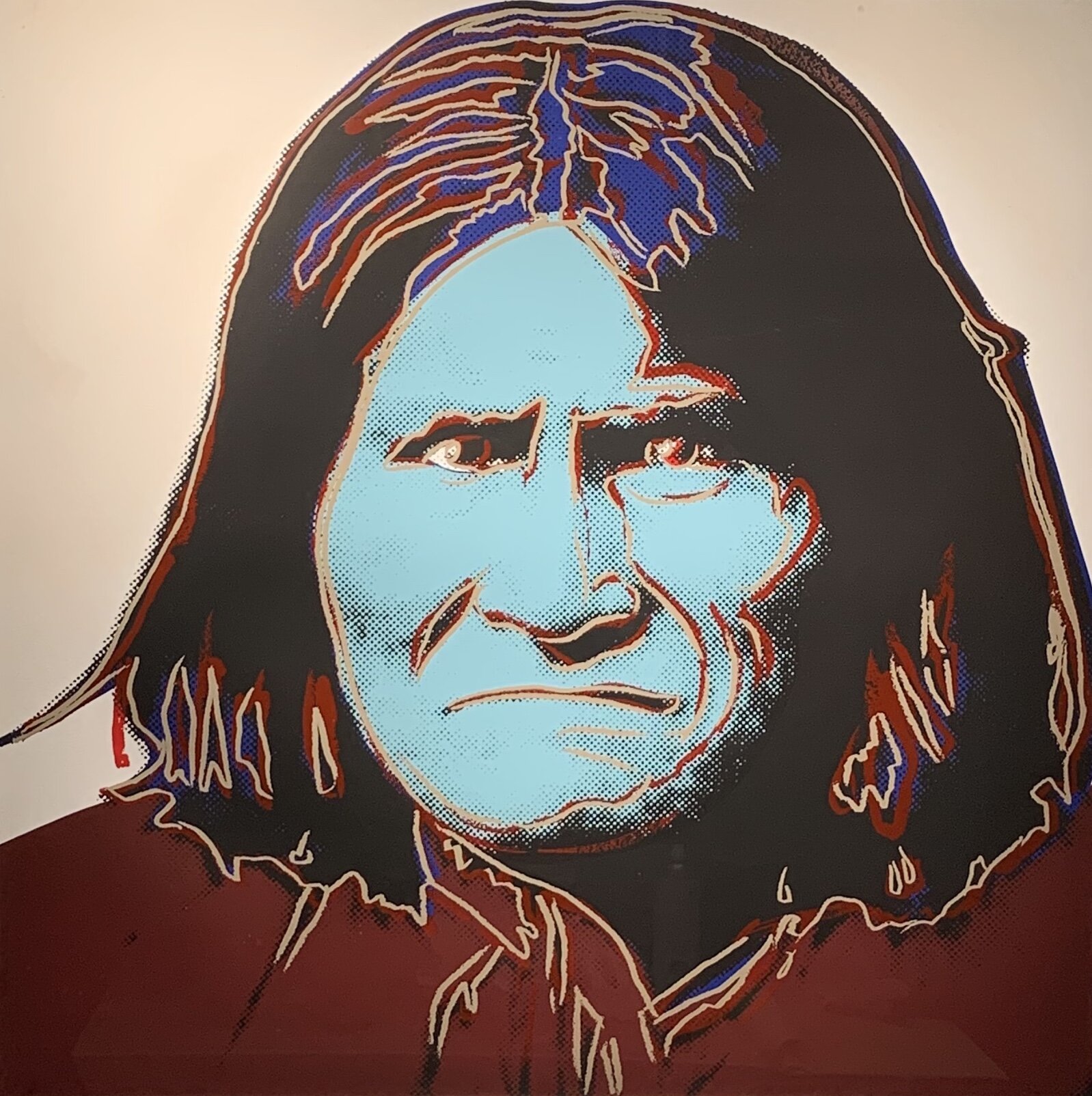
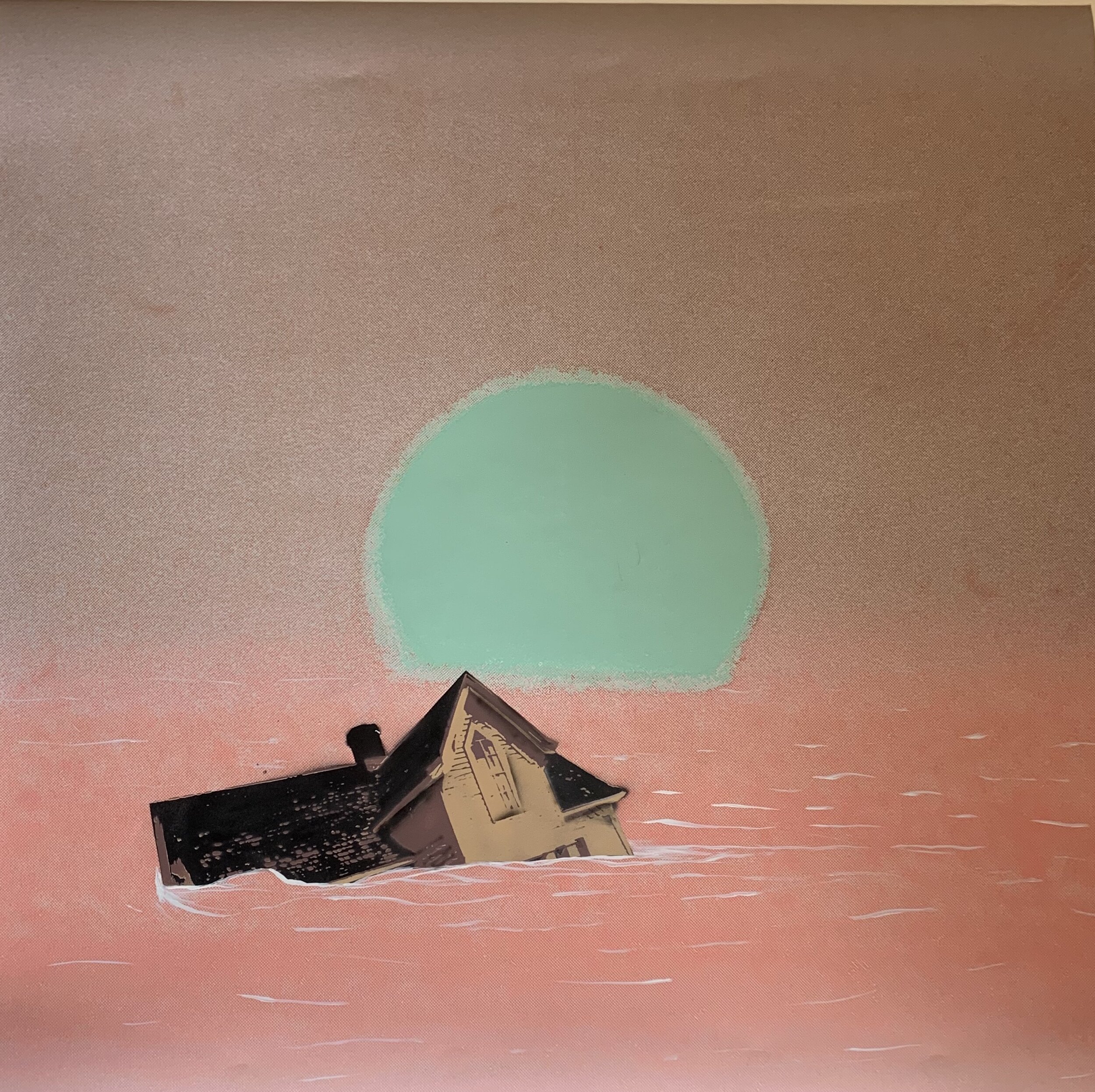
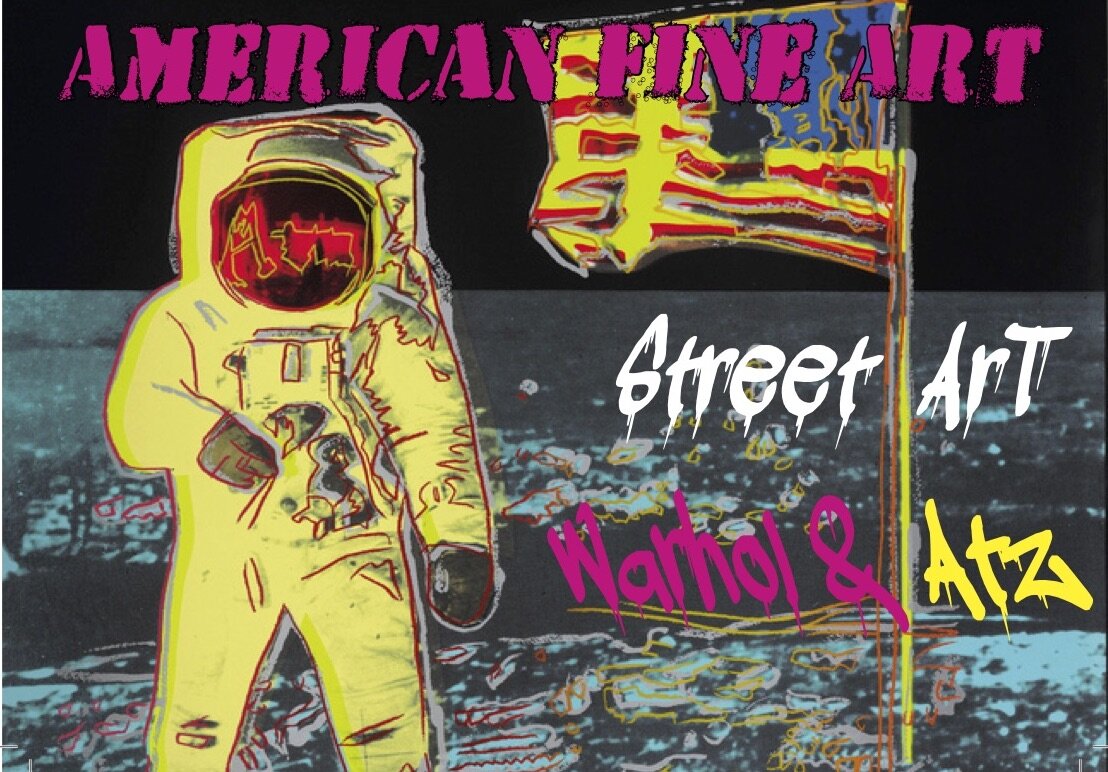
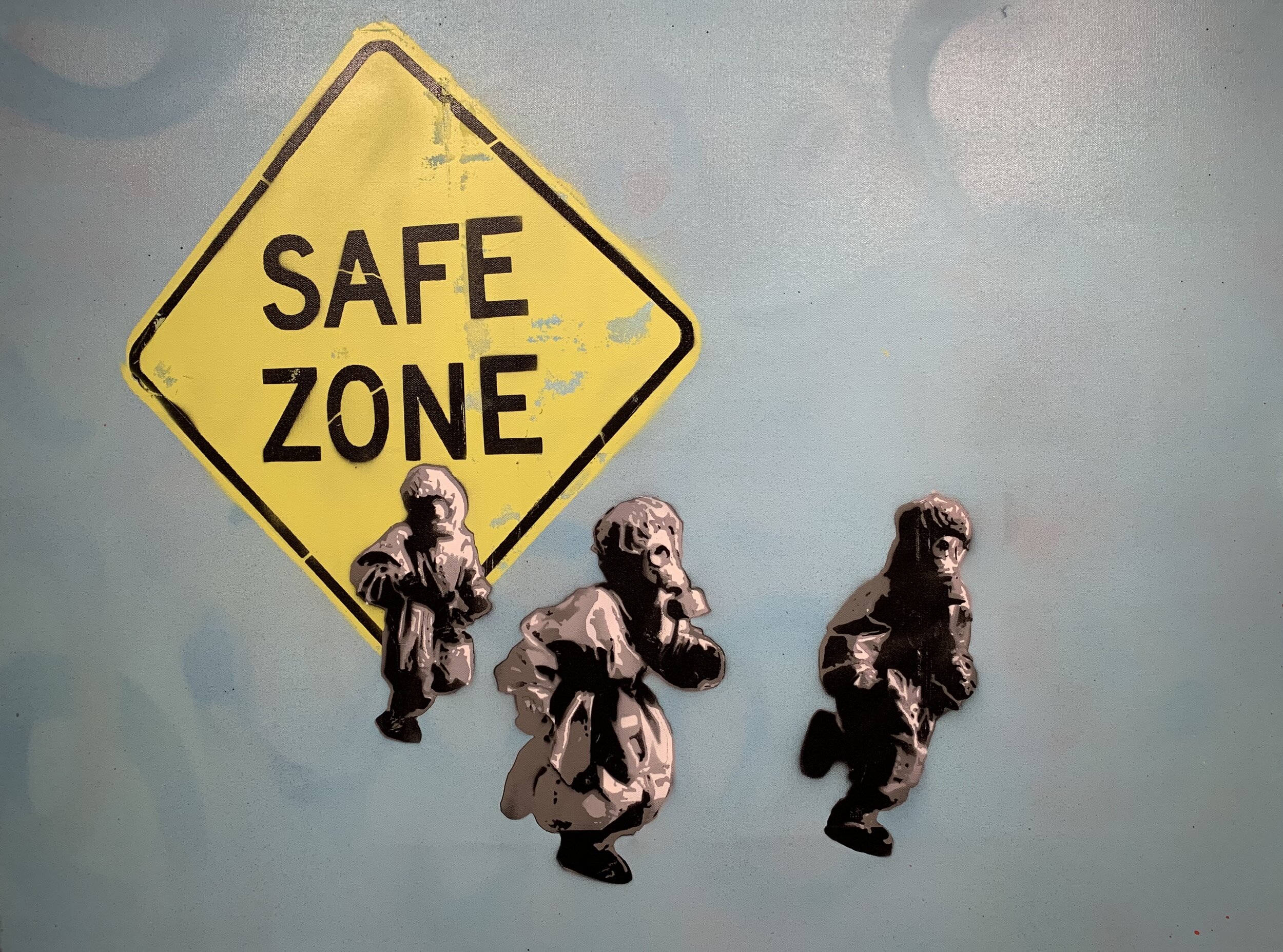
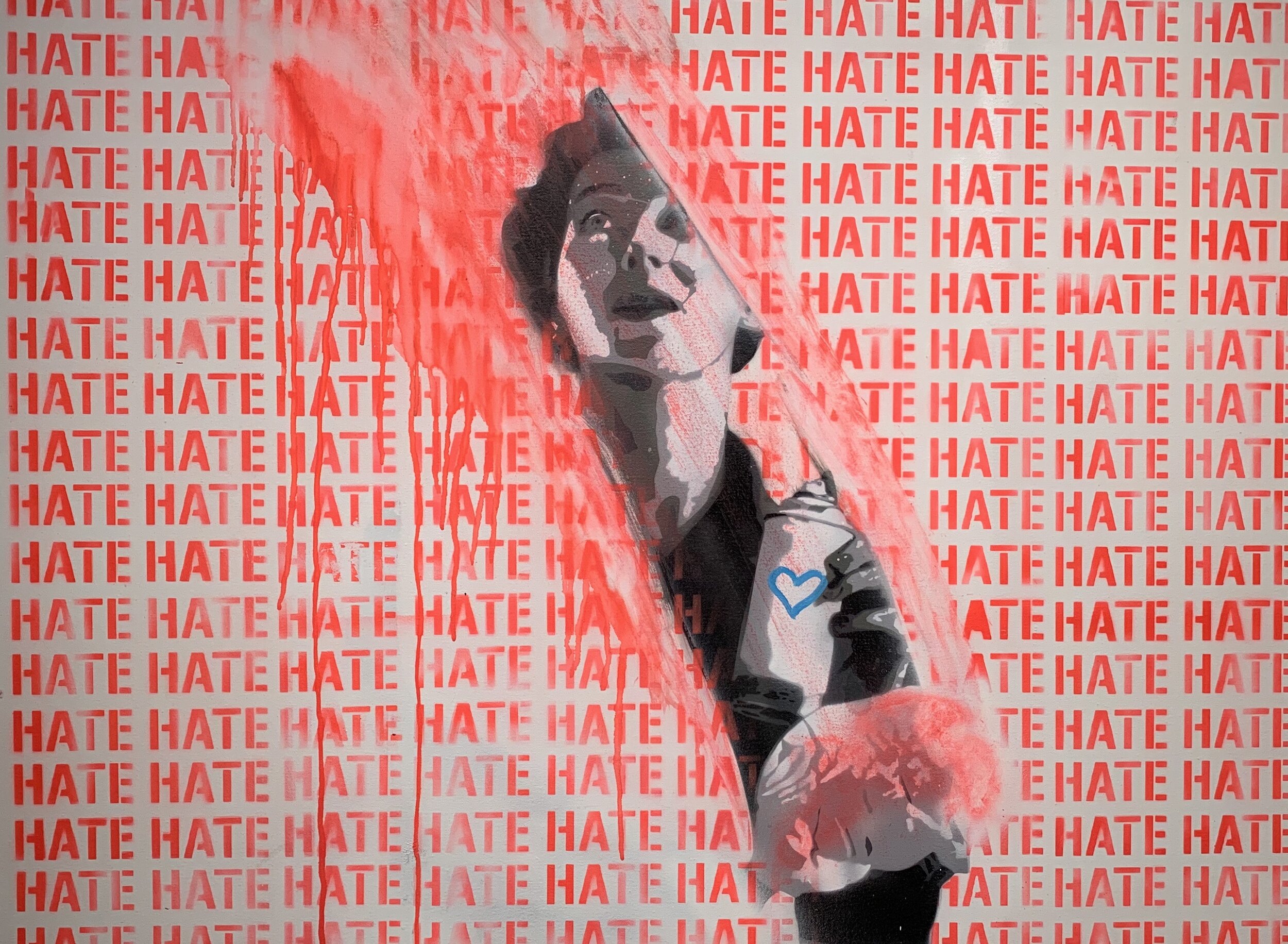
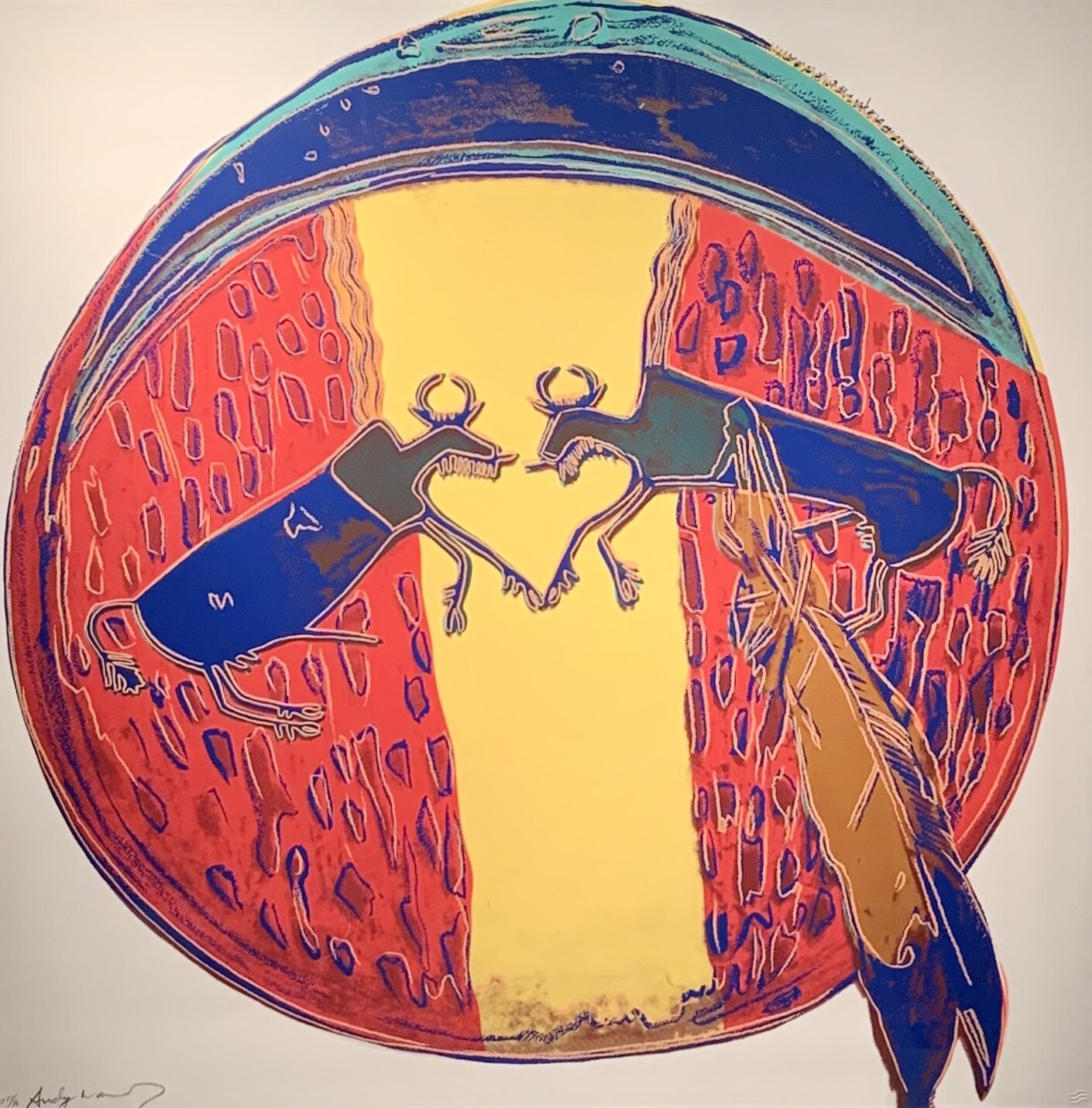
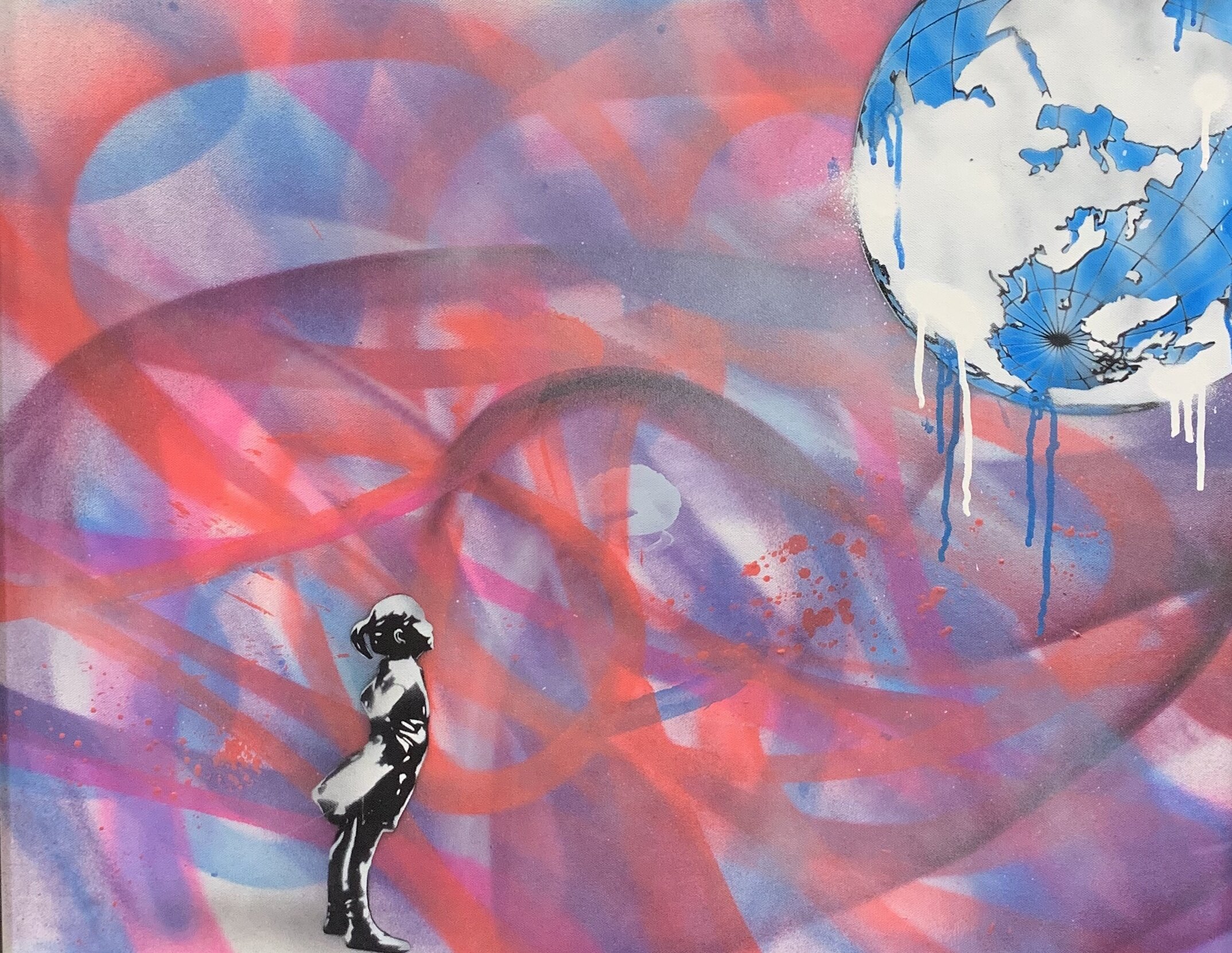
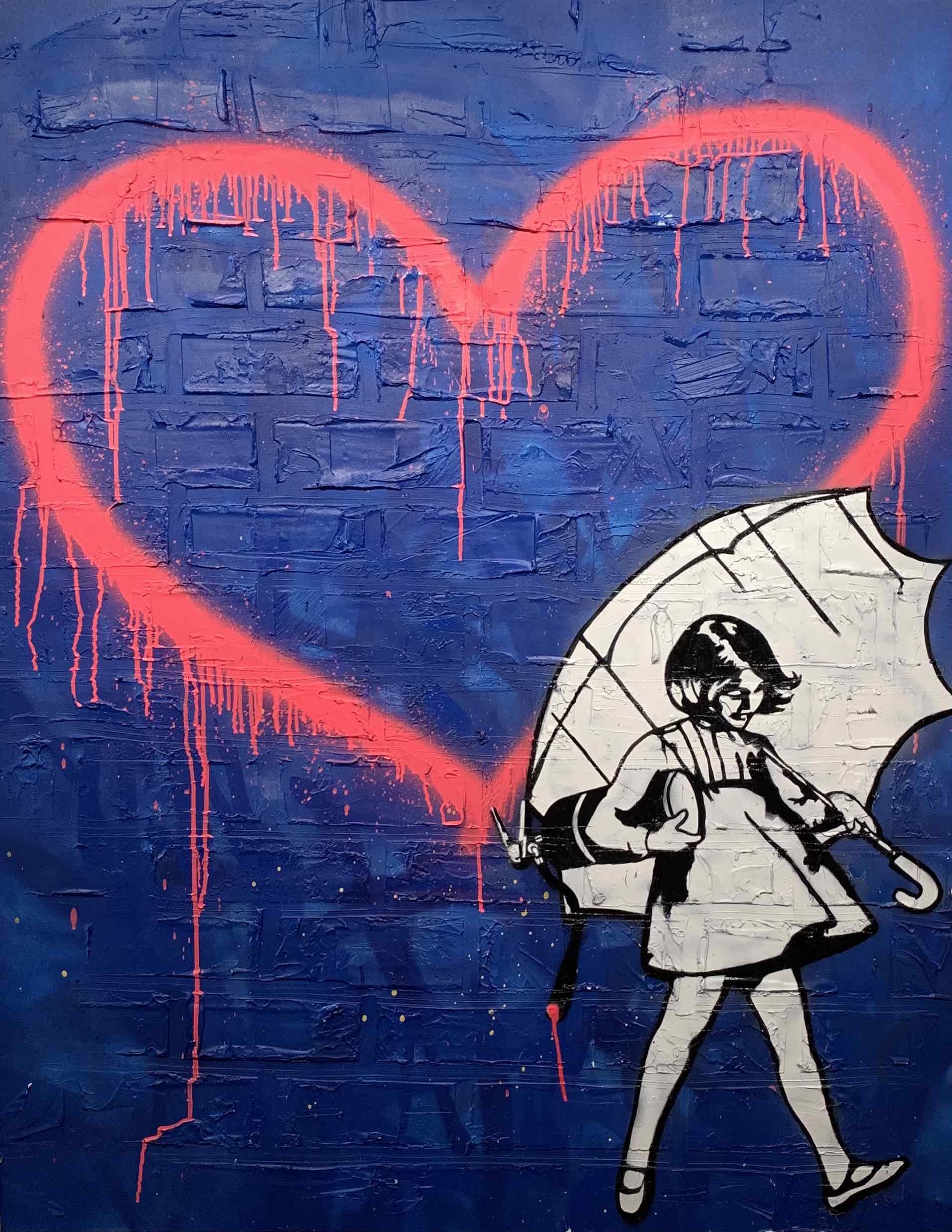
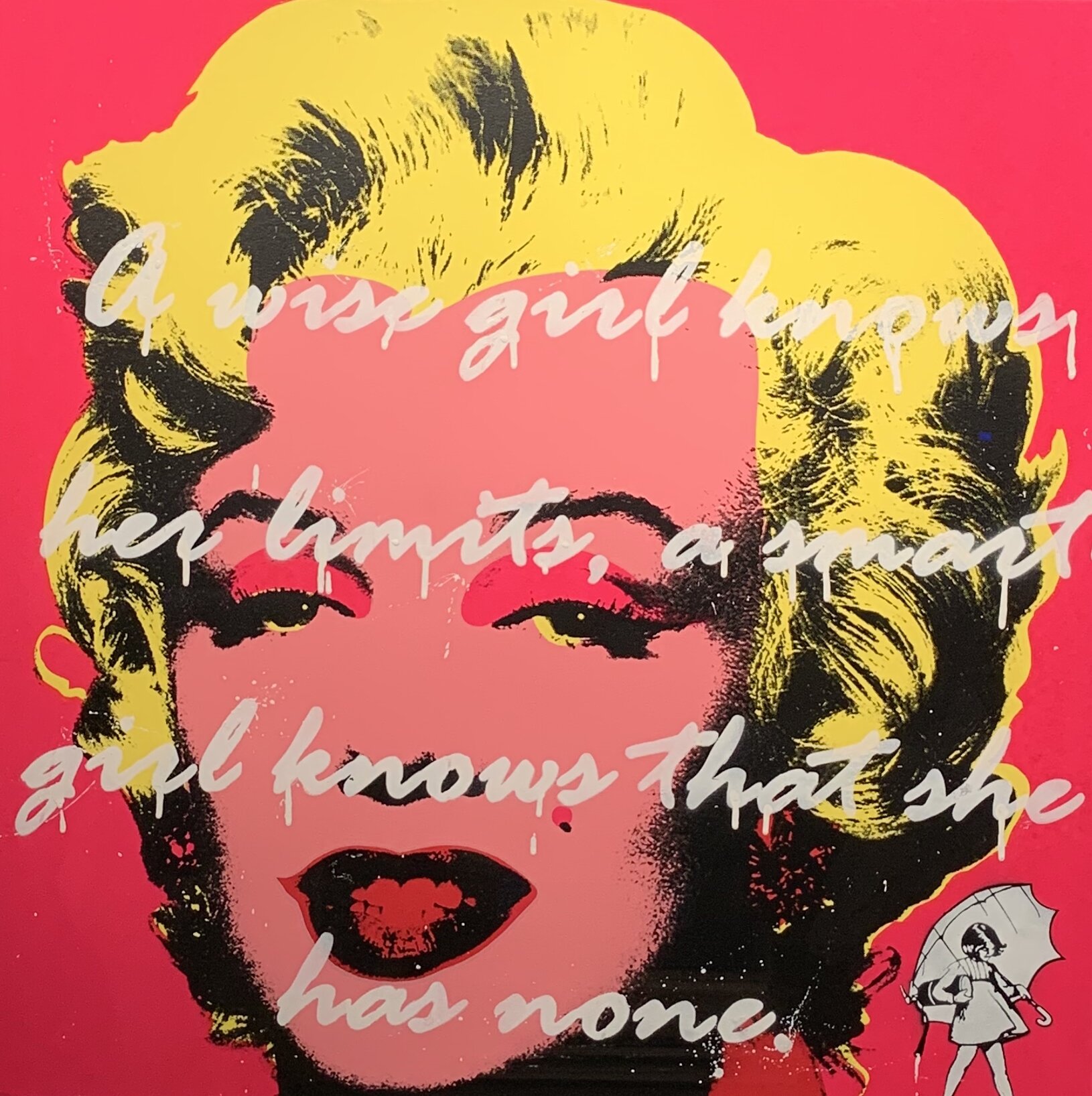
Opening to the public on January 14th, 2020, the exhibition will showcase the world of Street Art using iconic examples from Warhol and AtZ including AtZ’s graffiti girl and Warhol’s soup can. In addition to Warhol and AtZ, American Fine Street Art will also feature the works of such legendary artists as Banksy, Lichtenstein, Brainwash, Crash, Haring, Basquiat and Murakami. The unique works in the collection will be available for sale starting January 10th on a first come first serve basis. Contact the gallery to schedule a private viewing before the collection opens to the public.
American Fine Art proudly launched the emerging street artist AtZ onto the international art scene and is his exclusive representative. His work, his style, his fresh approach to the old school of back alley graffiti and new highbrow street art has made it to the realm of fine art and his fans and collectors cannot get enough. AtZ’s works are now in private collections as well as public spaces around the world from New Zealand to New York. An intellectual talent blended with the rare passion and ability to convey a gritty message that covers the world all the way from anarchy to zillionaires - it’s all painted by AtZ. AtZ works predominantly in acrylics, spray paint, and stencil. Having had no formal art training, he looks to his predecessors in the world of street art like Crash and Banksy as well as the Pop Art Masters including Warhol and Basquiat. Unlike many graffiti artists, AtZ captures an innocence and shares a message of hope and happiness. He continues to grow with each painting considering each work of art created as an integral part of his artistic journey that teaches him something valuable to carry forward.
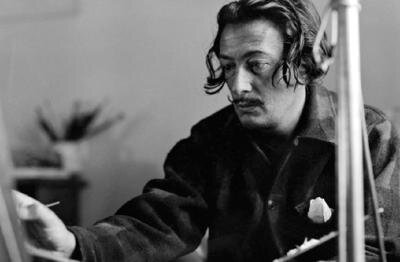
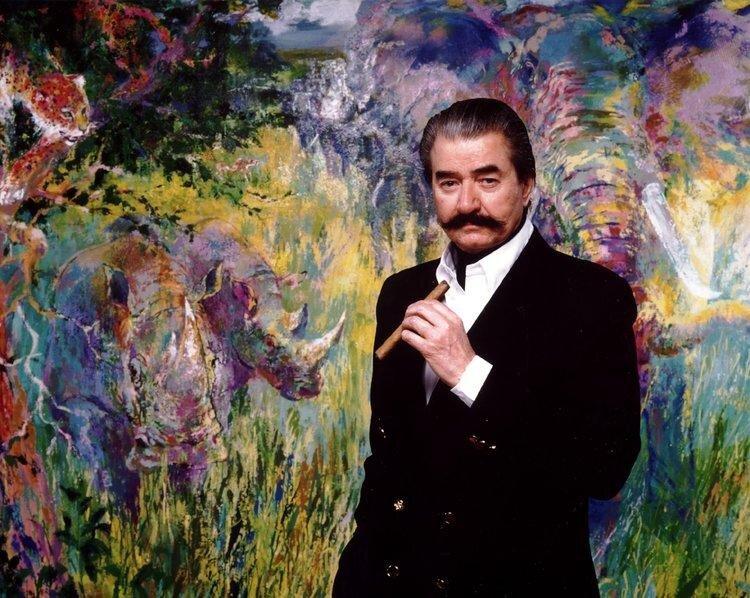
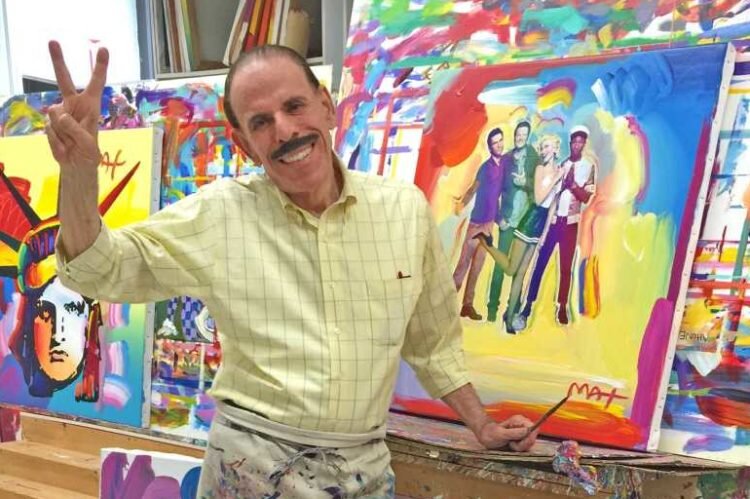

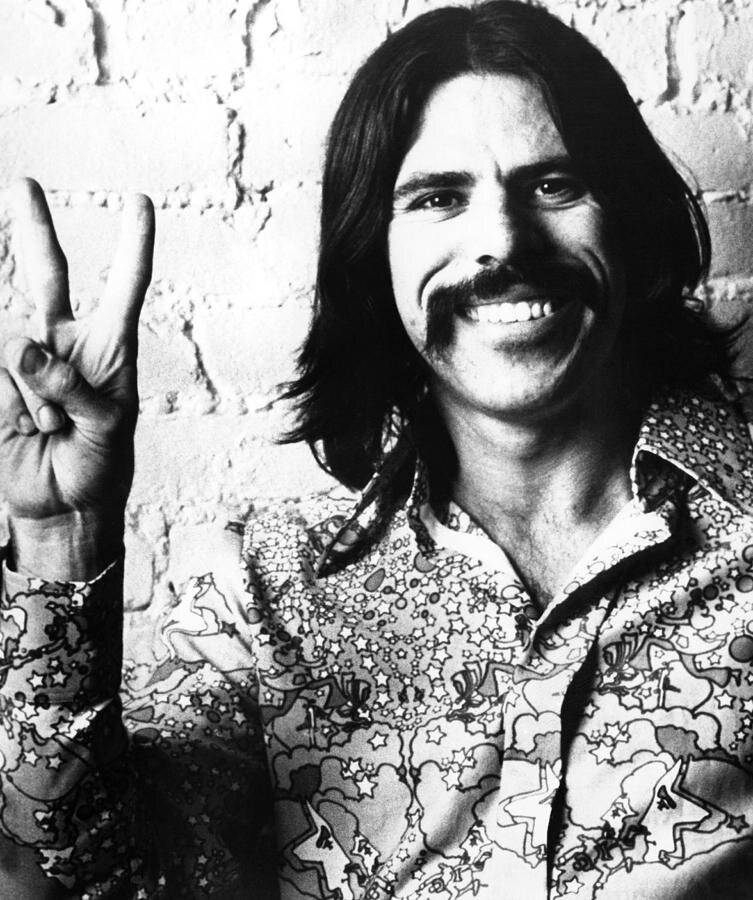
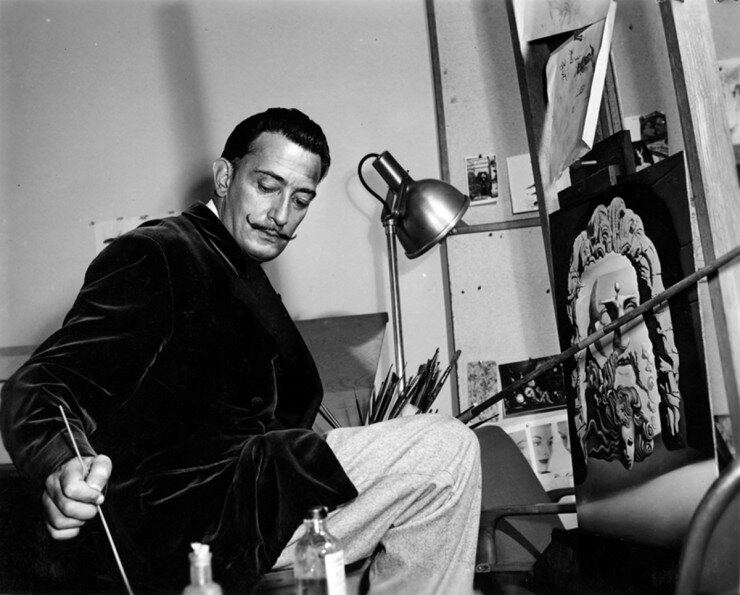
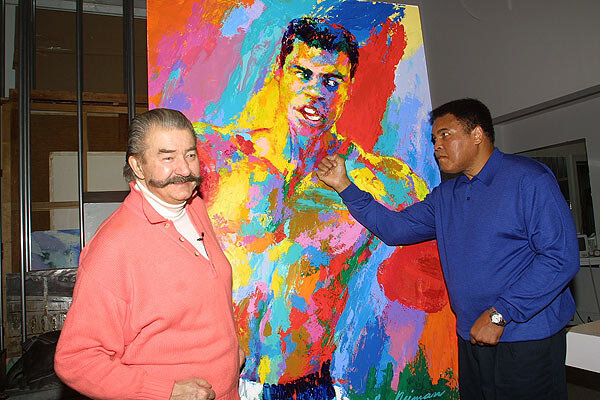
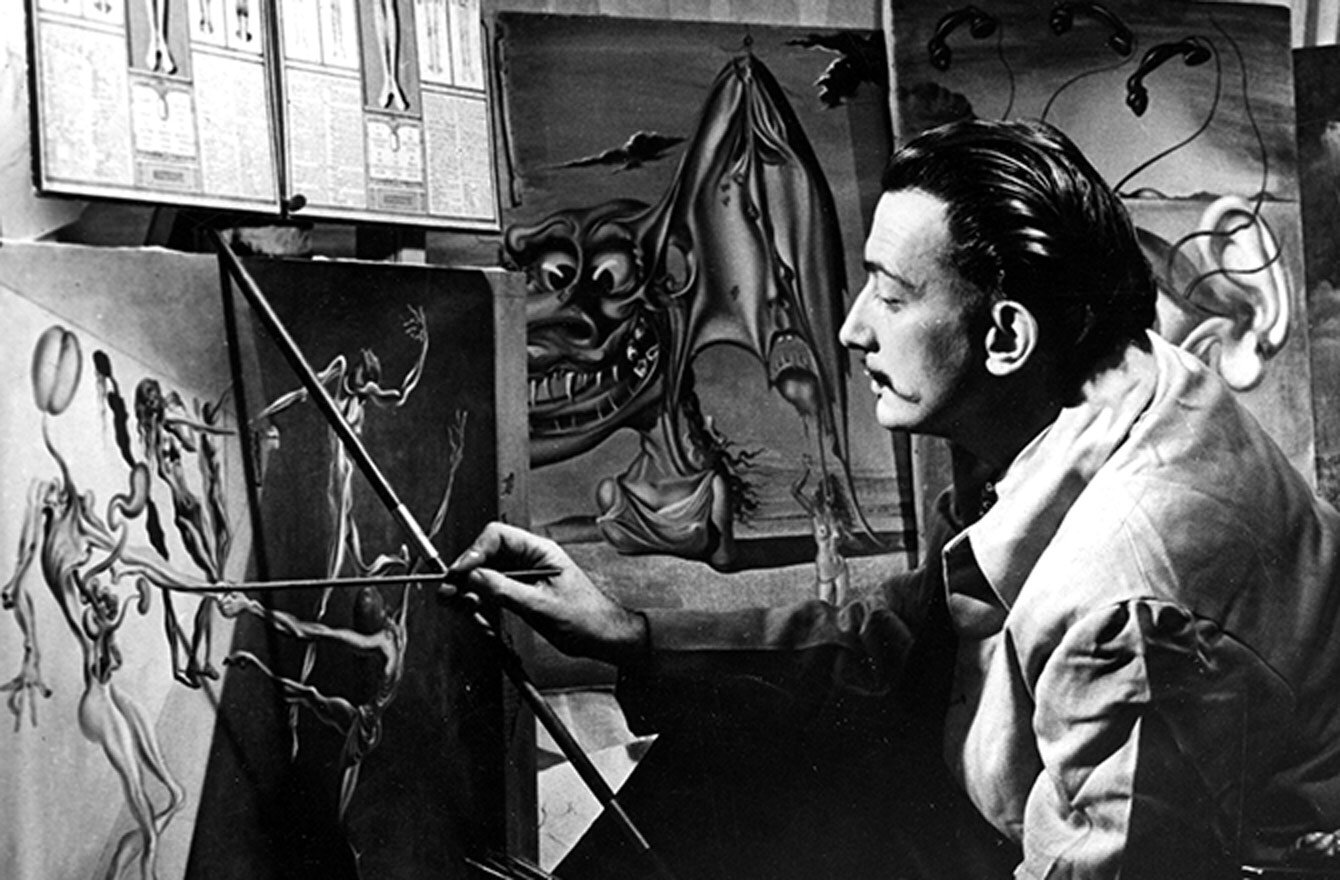
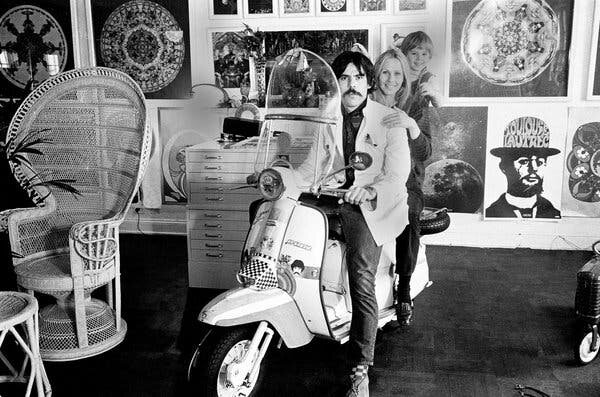
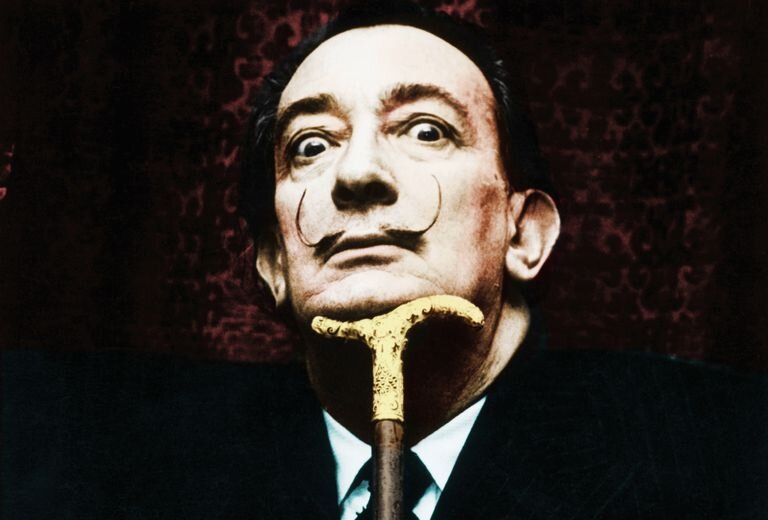
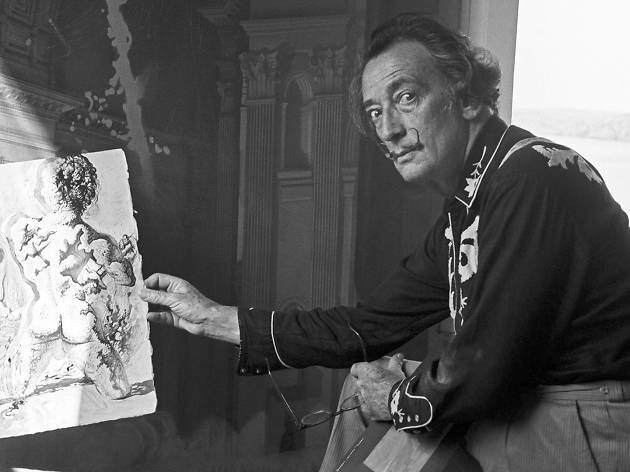

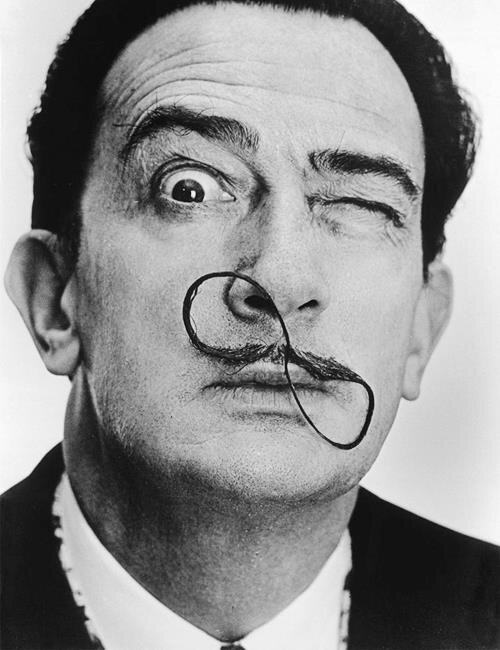
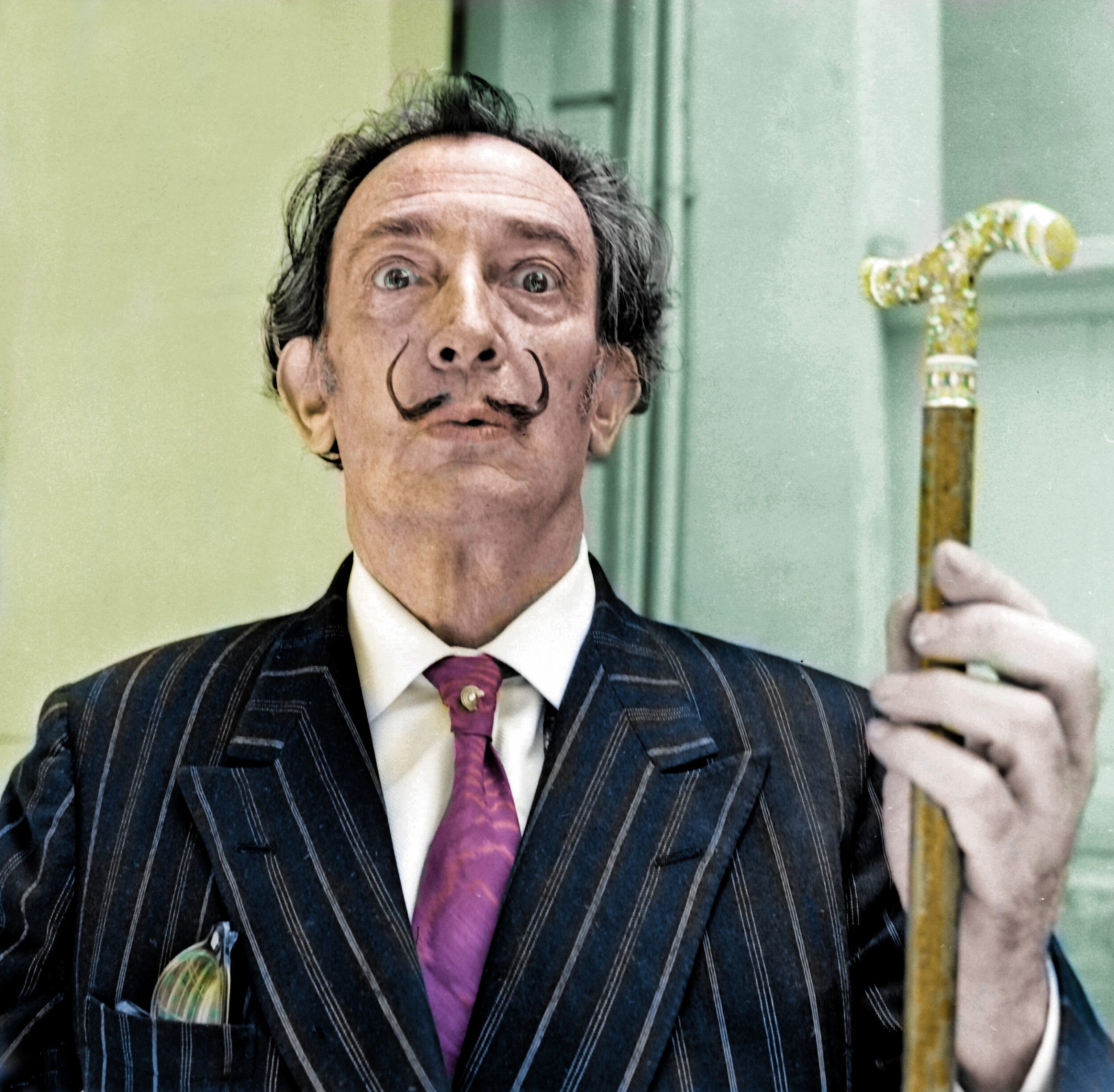
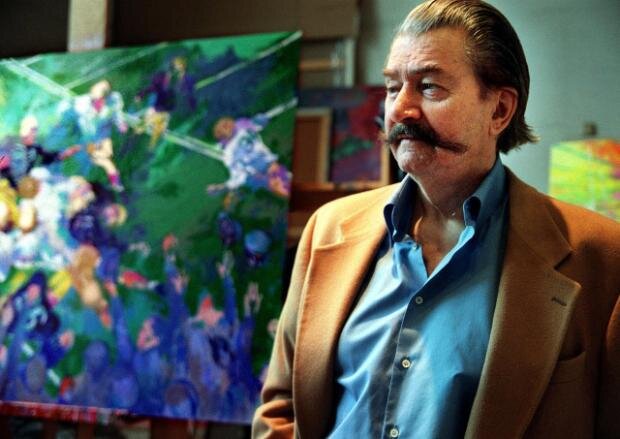
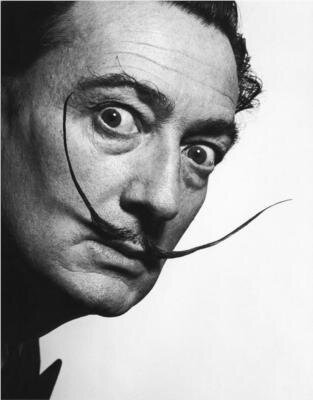
Battle of the Mustache: Neiman, Dali, and Max
American Fine Art presented art collectors, aficionados and enthusiasts the opportunity to cast their votes in their exhibit an exhibition of artists known for their iconic mustaches – Leroy Neiman, Salvador Dali, and Peter Max. The results were overwhelming, and I must say, a bit surprising. Given that Dali’s mustache has its own Wikipedia page, a book, and a 40-foot-long, 14-foot-tall sculpture outside the Dali museum in Saint Petersburg, Florida as well as the previous title of “most famous of all time” from a 2010 poll I thought him a shoe-in.
However, LeRoy Neiman proved once again to be a fan favorite. Described as “luxurious”, “instantly recognizable” and “extremely large” LeRoy Neiman’s handlebar mustache was as much a part of his presence as his kaleidoscopic palette. Both are almost always mentioned when discussing the artist and his work. While this impressive `stache doesn’t have its own book or reference webpage, it does have a track record of over six decades which helped it claim the first place position in the Battle of the Mustache.
The first runner up, Peter Max! Bringing with it more of a hippie vibe, Peter Max’s mustache was trimmed down from a full beard. He has donned his mustache in varying fullness since the 70’s. His mustache may not be quite as iconic as his colorful cosmic artwork, but collectors who cast their votes at American Fine Art put him in second place with a substantial lead of Salvador Dali in the Battle of the Mustache.
Despite all of the merchandise as well as tattooed bodies donning this infamous mustache, Salvador Dali came in third in the Battle of the Mustache. Salvador Dali’s mustache has become a primary part of his carefully crafted persona, which is why a few at American Fine Art were a bit surprised to find time and time again the votes for Neiman & Max far exceeding those for Dali. It turns out that his fantastically surreal visions and artist creations are more favored than his facial hair, at least by those collectors at the Battle of the Mustache.
Thank you to all those who voted, attended, and collected at the Battle of the Mustache: Neiman, Dali, and Max. The original works of Salvador Dali and Peter Max are also a mainstay at the gallery, if you missed the exhibit and are still interested in acquiring works by these masters contact the gallery for current pricing and availability.

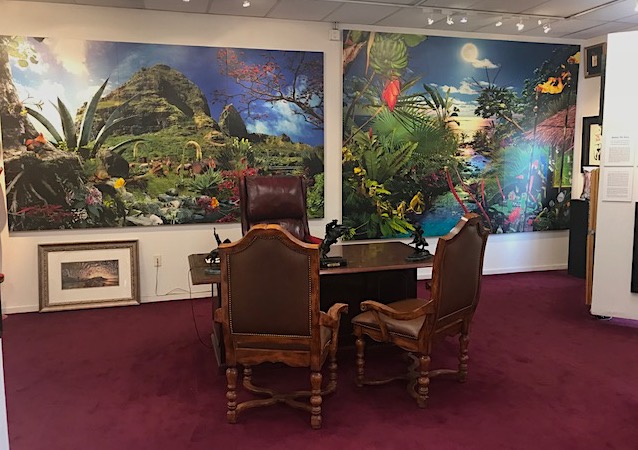




YamagatA: Bubbles & Boulevards
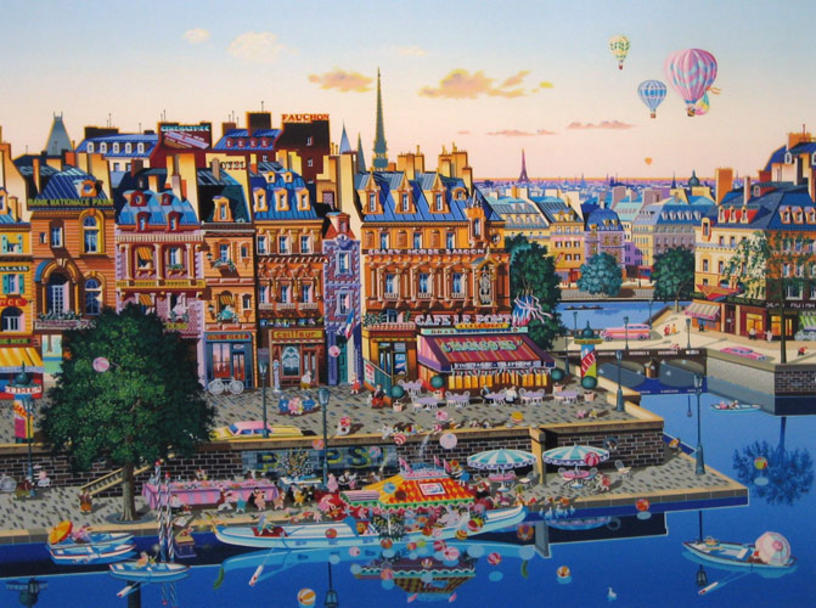
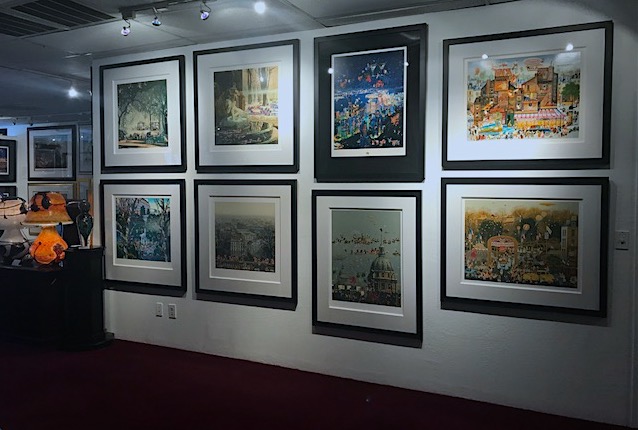
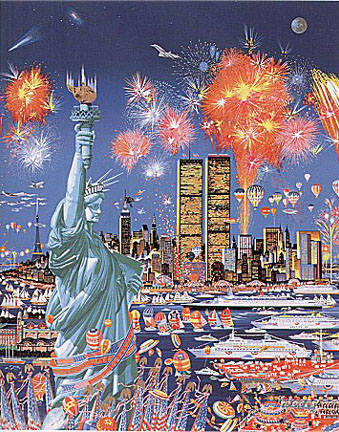
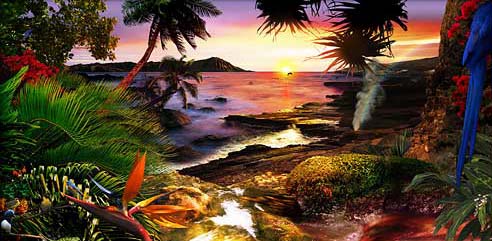
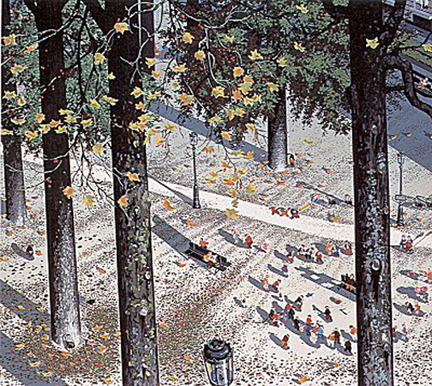
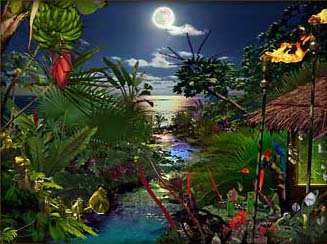
This fantastical exhibit features a stunning collection or original works by two artists of Japanese heritage: Hiro Yamagata and Satobo. We invite you to visit the showroom to see these works in person. The scale of Satobo’s work is powerful and engaging while the whimsical other-worldly details of Yamagata transport you both in brilliant palettes of bold colors.
To request a portfolio of available works from the collection, contact us at 480.990.1200.